
Grocery
Frozen Snow Crab Legs
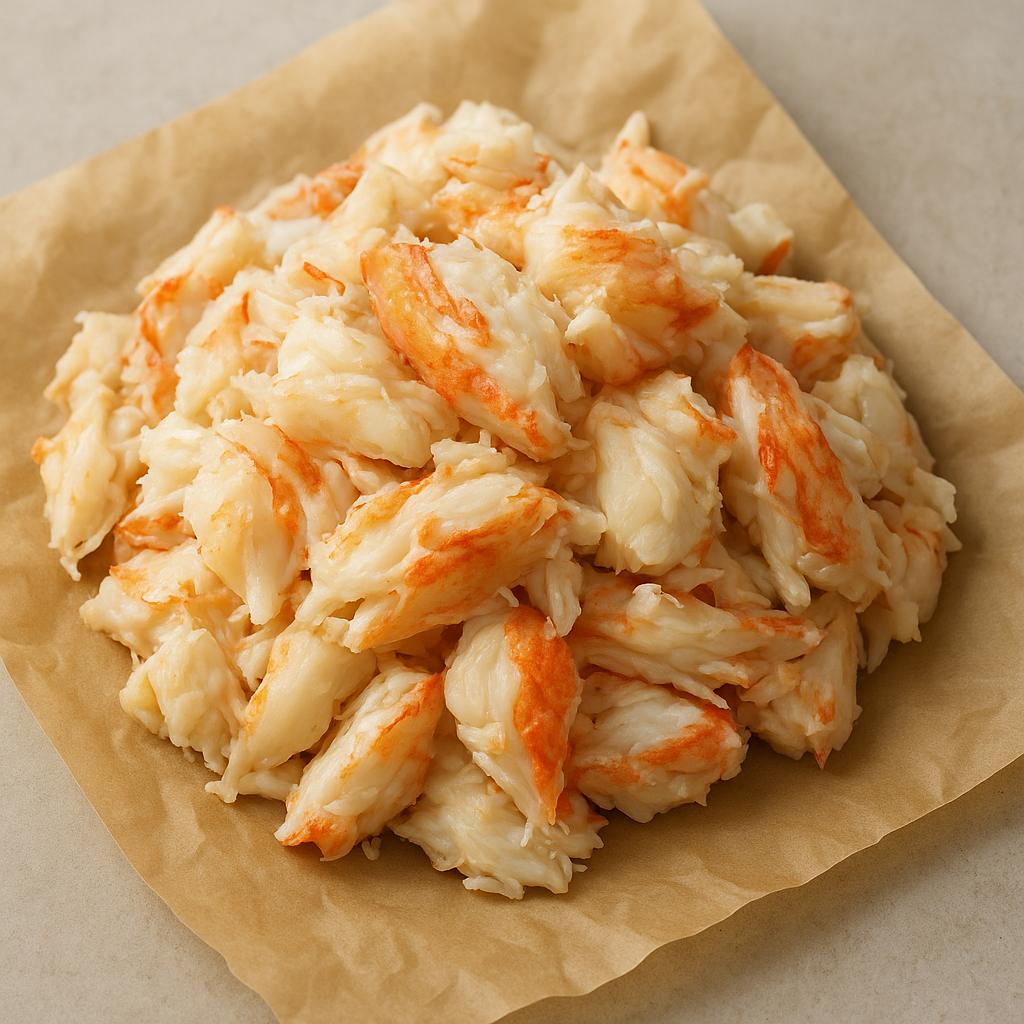
What it is
These are the detached legs of snow crabs, a type of marine crustacean. They are typically sold frozen to preserve their freshness and are pre-cooked or raw, depending on the packaging. The meat inside the shell is known for its delicate, slightly sweet flavor and tender texture. Snow crab is a popular choice for seafood lovers due to its distinct taste and the satisfying experience of cracking open the shells to access the meat.
How people cook with it
Snow crab legs are a versatile seafood ingredient, perfect for special occasions or a luxurious weeknight meal. They can be prepared in a variety of ways to highlight their natural flavors.
- Steamed with butter
- Boiled with seasonings
- Grilled for a smoky flavor
- Added to seafood boils
When preparing frozen snow crab legs, it is important to thaw them properly. You can do this by placing them in the refrigerator overnight or by using the cold water thawing method. For steaming, place the legs in a steamer basket over boiling water and cook until heated through. Boiling involves submerging the legs in seasoned boiling water for a few minutes. Grilling requires brushing the legs with oil and seasoning before placing them on a preheated grill. Regardless of the method, ensure the crab is fully heated before serving.
How it differs from similar foods
Snow crab legs are generally smaller and more slender than king crab legs. Their meat is known for being sweeter and more tender, while king crab meat is often described as richer and more robust. The shell of snow crab is also thinner and easier to crack.
Who it is for
Home cooks looking to prepare a delicious and impressive seafood dish will find these crab legs appealing.
How to keep the rest
Once thawed, snow crab legs should be cooked and consumed within one to two days. If still frozen, keep them in the original packaging in the freezer until ready to use. Avoid refreezing thawed crab legs, as this can affect the texture and quality of the meat.