
Grocery
Frozen Skinless Catfish Fillets
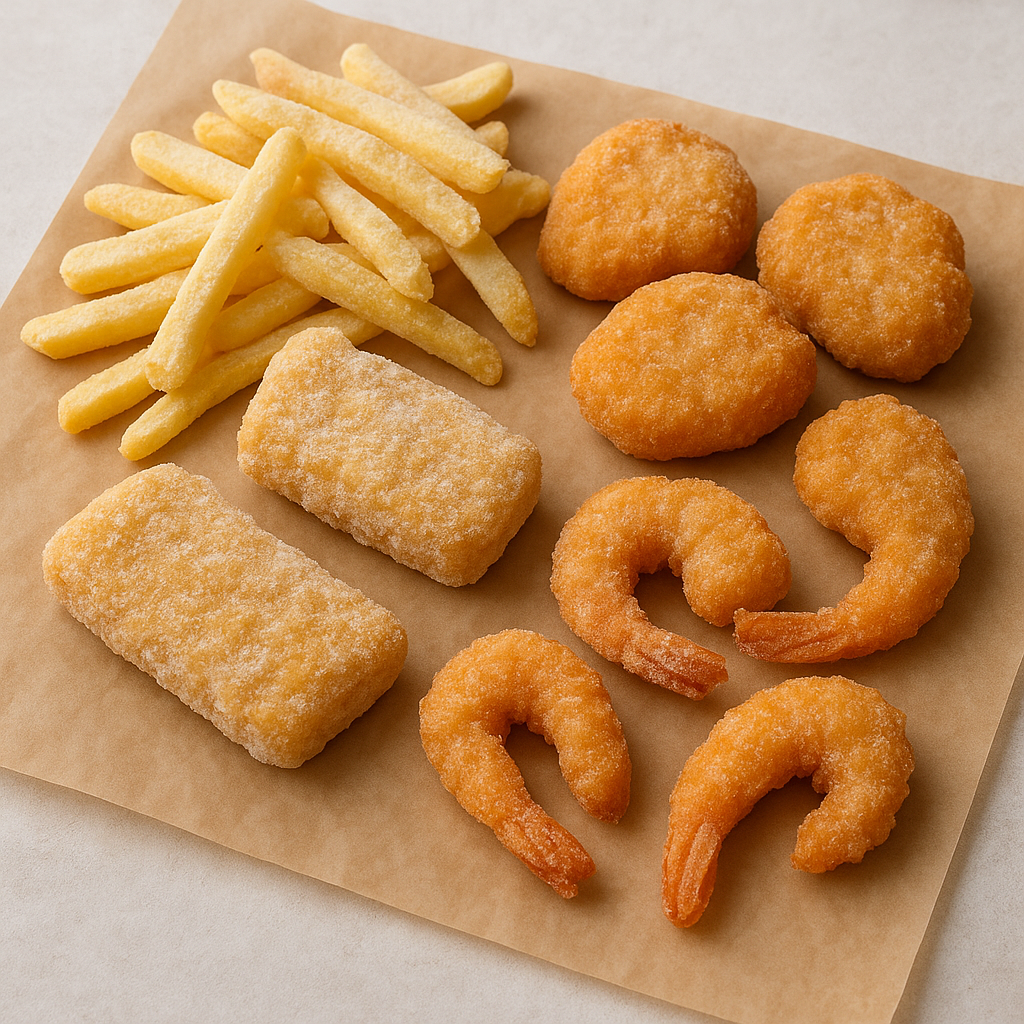
What it is
These are pre-portioned, boneless, and skinless pieces of catfish, preserved through freezing. This method helps maintain the fish's texture and flavor until it's ready for cooking. The fillets are typically uniform in size, making them convenient for consistent meal preparation. They come ready to be thawed and cooked, saving time in the kitchen.
How people cook with it
Frozen catfish fillets are versatile and can be prepared in many ways. They are a popular choice for weeknight meals and family dinners.
- Pan-fried for a crispy crust
- Baked with herbs and lemon
- Simmered in stews or chowders
- Grilled for a smoky flavor
Begin by thawing the frozen fillets completely. You can do this by placing them in the refrigerator overnight or by submerging the sealed package in cold water. Once thawed, pat the fillets dry with paper towels. This step is crucial for achieving a good sear or a crispy coating. Season them with your preferred spices, such as salt, pepper, paprika, or garlic powder. Then, cook them using your chosen method, ensuring they reach an internal temperature of 145°F (63°C) for safety and optimal texture.
How it differs from similar foods
Unlike fresh catfish, frozen fillets offer extended shelf life and convenience. The skinless preparation means less prep work compared to fillets that still have the skin on, which can sometimes be preferred for texture or flavor in certain dishes.
Who it is for
Home cooks looking for a convenient and adaptable source of fish for everyday meals.
How to keep the rest
After thawing, keep any unused portions refrigerated and cook within one to two days. If the fillets are still frozen, store them in the freezer at 0°F (-18°C) or below. Ensure the packaging remains sealed to prevent freezer burn and maintain quality.