
Grocery
Simple Truth Unsalted Butter
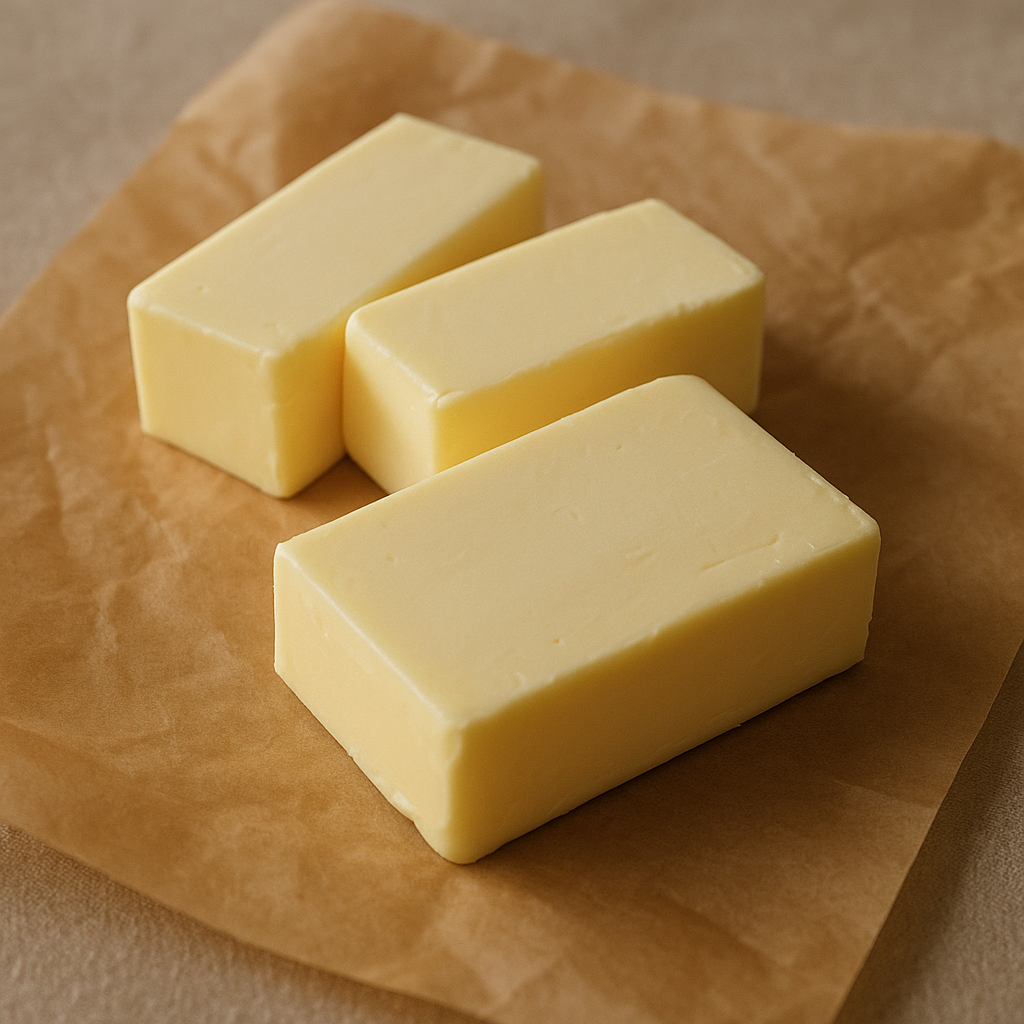
What it is
This is a block of unsalted butter, a dairy product made by churning cream. It has a rich, creamy flavor and a smooth texture. Unsalted butter allows the cook to control the saltiness of a dish. It is a fundamental ingredient in many baked goods and savory preparations. The butter is typically sold in a rectangular shape, making it easy to measure and cut.
How people cook with it
Butter is a versatile ingredient used in both sweet and savory cooking. It adds richness and flavor to a wide range of dishes.
- Baking cakes and cookies
- Sautéing vegetables
- Spreading on toast
- Sauces and gravies
To use, simply remove the desired amount from its packaging. For baking, it is often best when softened to room temperature, which makes it easier to cream with sugar or incorporate into doughs. For sautéing, melt it in a pan over medium heat until it shimmers. Be mindful of the heat, as butter can burn if overheated. It can also be melted and drizzled over finished dishes for added flavor and moisture.
How it differs from similar foods
Unsalted butter differs from salted butter by the absence of added salt. This is important for bakers who want precise control over the salt content in their recipes. Salted butter has a slightly longer shelf life due to the salt acting as a preservative, but unsalted butter generally offers a purer dairy flavor.
Who it is for
Home cooks and professional chefs alike rely on butter for its essential role in creating delicious food.
How to keep the rest
To store the remaining butter, rewrap it tightly in its original packaging or place it in an airtight container. Keep it refrigerated to maintain freshness. For longer storage, butter can be frozen, though its texture may change slightly upon thawing. Ensure it is well-sealed to prevent freezer burn.