
Grocery
Shy Violet Sanding Sugar
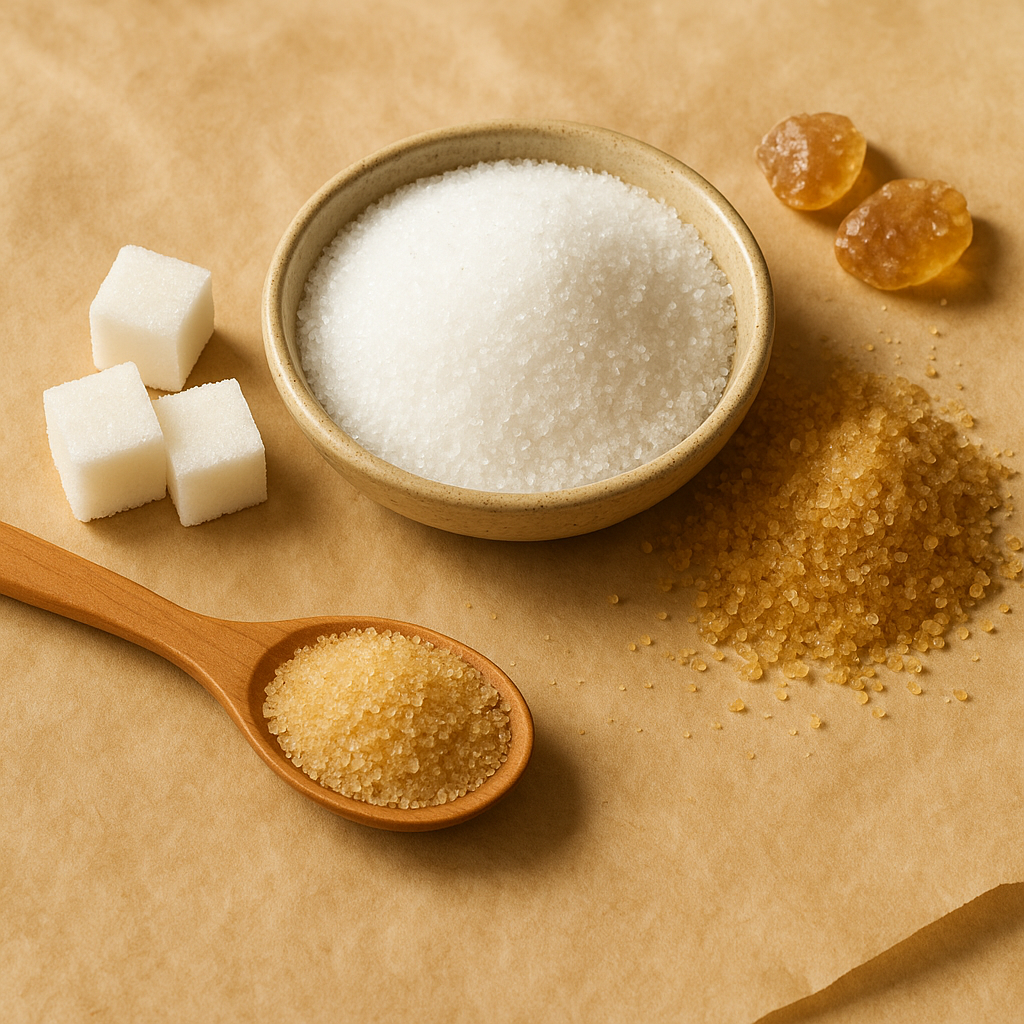
What it is
This is a type of granulated sugar that has been colored a delicate shade of violet. It is designed to add a subtle visual appeal and a slight crunch to baked goods. The granules are larger than regular granulated sugar, giving them a distinct texture. This sugar is often used for decorative purposes, providing a soft, pastel finish to cakes, cookies, and other sweet treats. Its fine, crystalline structure allows it to adhere well to frosting and glazes.
How people cook with it
Sanding sugar is primarily used to enhance the appearance of baked goods. It adds a touch of sparkle and color that makes treats more inviting.
- Decorating cookies
- Topping cupcakes
- Adding sparkle to cakes
- Garnishing pastries
Apply this sanding sugar after frosting or glazing your baked goods. You can sprinkle it directly onto wet icing for an even coating, or press it gently into buttercream. For cookies, it's best to add it before baking so the sugar adheres and melts slightly, creating a beautiful, shimmering surface. It can also be used to rim glasses for cocktails or desserts, adding a festive touch. A light dusting is often all that is needed to transform a simple dessert into something special.
How it differs from similar foods
Unlike regular granulated sugar, sanding sugar has larger, coarser crystals that do not dissolve as readily during baking. This preserves its texture and color, providing a noticeable crunch and visual appeal. It is also typically colored, unlike standard white granulated sugar which is pure white.
Who it is for
Home bakers and professional pastry chefs use this to add decorative flair to their creations.
How to keep the rest
Store any unused sanding sugar in a cool, dry place in an airtight container. This will prevent it from clumping and maintain its vibrant color and texture. Keep it away from moisture and direct sunlight to ensure its longevity.