
Grocery
Seville Orange Marmalade
What it is
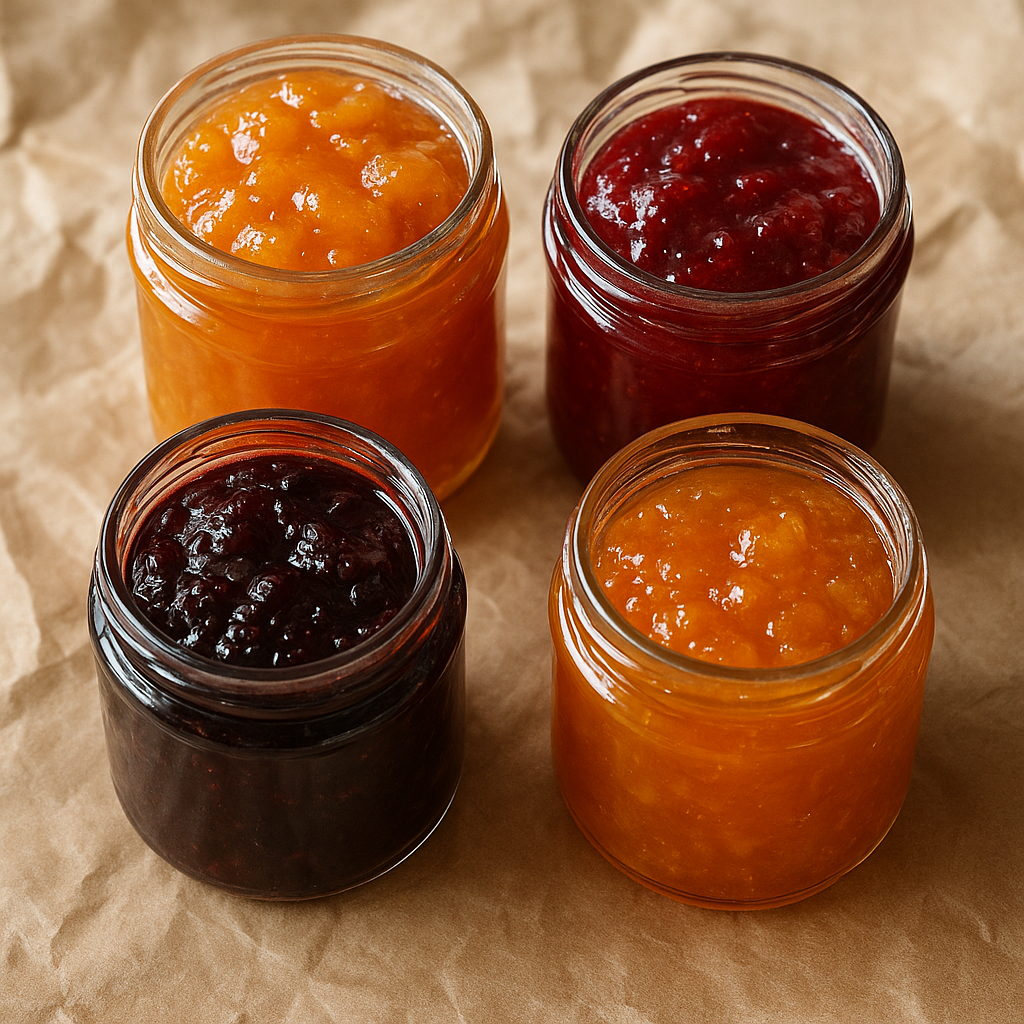
This is a preserve made from the fruit of the Seville orange tree, known for its distinctively bitter flavor. It is prepared by cooking the whole fruit, including the peel and seeds, with sugar and water. The result is a spread with a complex taste profile, balancing sweetness with a pronounced citrus zest and a slight bitterness.
How people cook with it
Marmalade is a versatile condiment enjoyed at breakfast and beyond.
- Spread on toast
- Glaze for meats
- Flavoring for cakes
- Component in sauces
Typically, marmalade is spread generously on warm toast or scones. It can also be incorporated into baking, adding a bright citrus note to cakes, muffins, and tarts. For savory applications, it works wonderfully as a glaze for roasted meats like pork or duck, or as a base for vinaigrettes and pan sauces, providing a sweet and tangy counterpoint to rich flavors. Its distinct bitterness can also cut through the richness of certain dishes.
How it differs from similar foods
Compared to other fruit preserves like jam or jelly, marmalade stands out due to the inclusion of citrus peel. This gives it a more robust texture and a characteristic bitter edge that distinguishes it from the uniformly smooth and sweet nature of most jams and jellies.
Who it is for
Home cooks and bakers who appreciate a bright, zesty flavor in their meals and desserts will find this ingredient useful.
How to keep the rest
After opening, store the marmalade in the refrigerator. Ensure the lid is tightly sealed to maintain freshness and prevent spoilage. It should be kept cold to preserve its texture and flavor for an extended period.