
Bob's Red Mill
Bob's Red Mill Semolina Flour
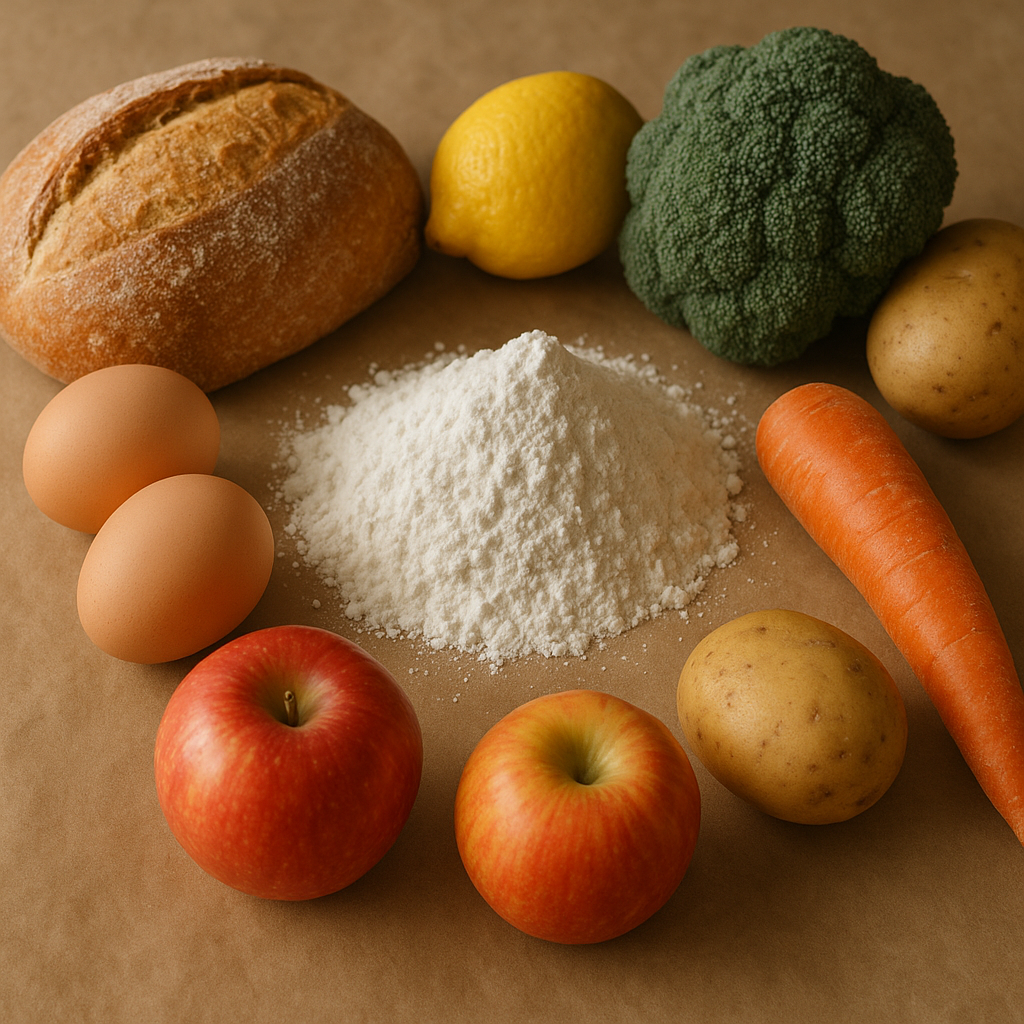
What it is
This is finely ground durum wheat, a hard variety of wheat. Semolina has a coarse texture and a bright yellow color. It is a staple ingredient in many cuisines, particularly Mediterranean and Middle Eastern. The milling process results in a flour that holds its shape well when cooked. It is a versatile ingredient that can be used in both sweet and savory dishes.
How people cook with it
Semolina flour is a key ingredient for creating a variety of pasta and baked goods. Its unique texture lends itself well to dishes where a firm bite is desired.
- Homemade pasta
- Gnocchi
- Bread crusts
- Couscous
When making pasta, semolina flour is often combined with water or eggs. It can also be used as a dusting for pizza dough or bread to create a crispier crust. For gnocchi, it provides a tender yet firm texture. In some baking applications, it is used to add a slightly chewy texture to cookies or cakes. It can also be cooked into a porridge or pudding. The flour absorbs liquid differently than all-purpose flour, so adjustments to hydration may be necessary.
How it differs from similar foods
Semolina flour differs from all-purpose flour due to the type of wheat used and its coarser grind. This results in a more granular texture and a yellow hue.
Who it is for
Home cooks and bakers who enjoy making fresh pasta or seek a distinct texture in their baked goods.
How to keep the rest
To maintain freshness, store the semolina flour in an airtight container in a cool, dry place. This will help prevent moisture absorption and keep it from going rancid. Avoid storing it near heat sources or in direct sunlight. Proper storage ensures the flour retains its quality for future use.