
FOOD LION
Food Lion Self-Rising Flour
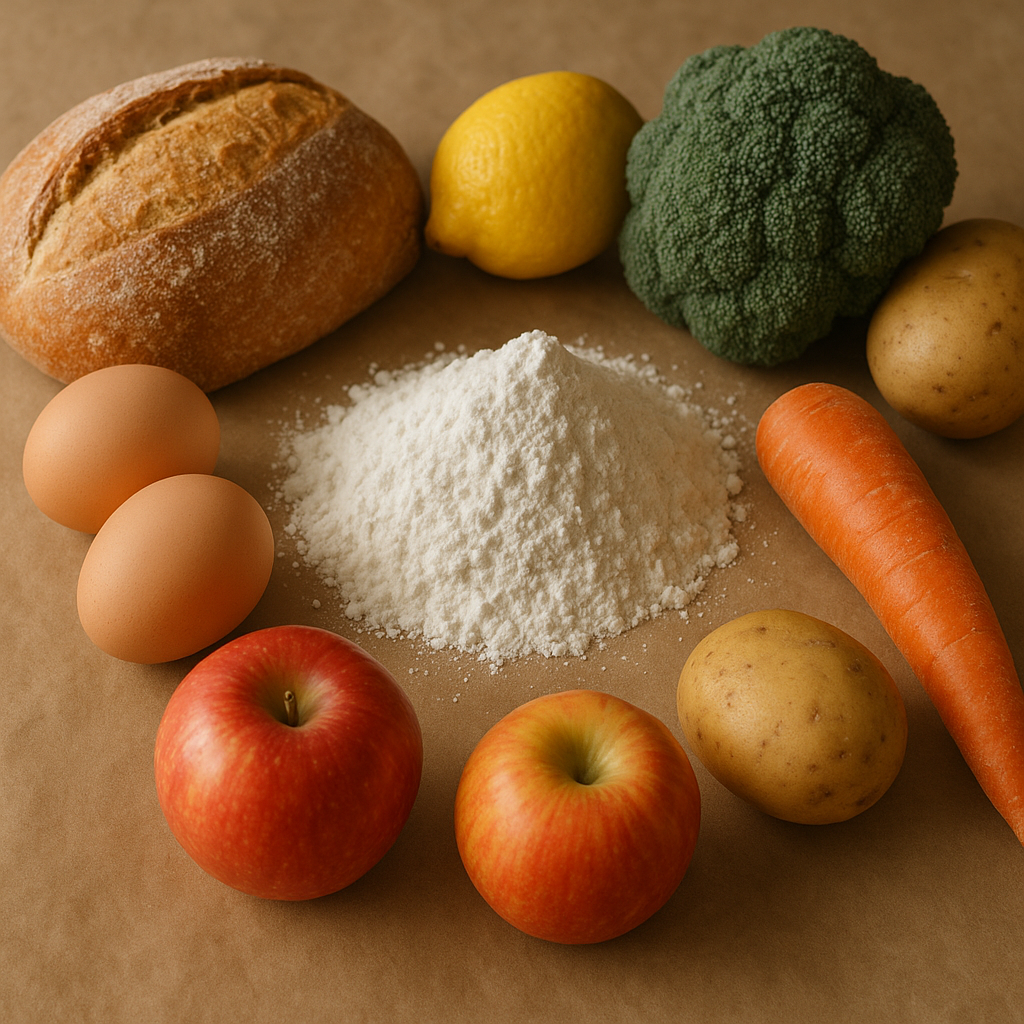
What it is
This is a finely milled wheat flour that has leavening agents and salt already mixed in. It is designed for convenience in baking. The leavening agents, typically baking powder and baking soda, help baked goods rise and become light and airy. The salt adds flavor. This pre-mixed combination simplifies recipes that call for these ingredients separately.
How people cook with it
Self-rising flour is a staple for many quick and easy baked goods. It is particularly useful when you need a reliable rise without measuring individual leavening agents.
- Biscuits
- Pancakes
- Muffins
- Quick breads
When a recipe calls for all-purpose flour, baking powder, and salt, you can often substitute self-rising flour. Use the same amount of self-rising flour as the total amount of all-purpose flour, baking powder, and salt specified. For example, if a recipe calls for 1 cup of all-purpose flour, 1 teaspoon of baking powder, and 1/4 teaspoon of salt, you can use 1 cup of self-rising flour instead. It is important to note that the leavening power can diminish over time, so it is best to use fresh flour.
How it differs from similar foods
Unlike all-purpose flour, self-rising flour contains added leavening agents and salt. This means it is formulated to produce a rise in baked goods without the need for separate additions of baking powder or baking soda. All-purpose flour is a plain flour, requiring all other ingredients for leavening and seasoning.
Who it is for
Home bakers looking for a convenient way to make a variety of baked goods will find this flour useful.
How to keep the rest
To maintain its leavening power, store self-rising flour in an airtight container in a cool, dry place. Avoid storing it near heat or moisture, as this can cause the leavening agents to become inactive. It is best to use it within six months of purchase for optimal results.