
Grocery
Seedless Rye Bread
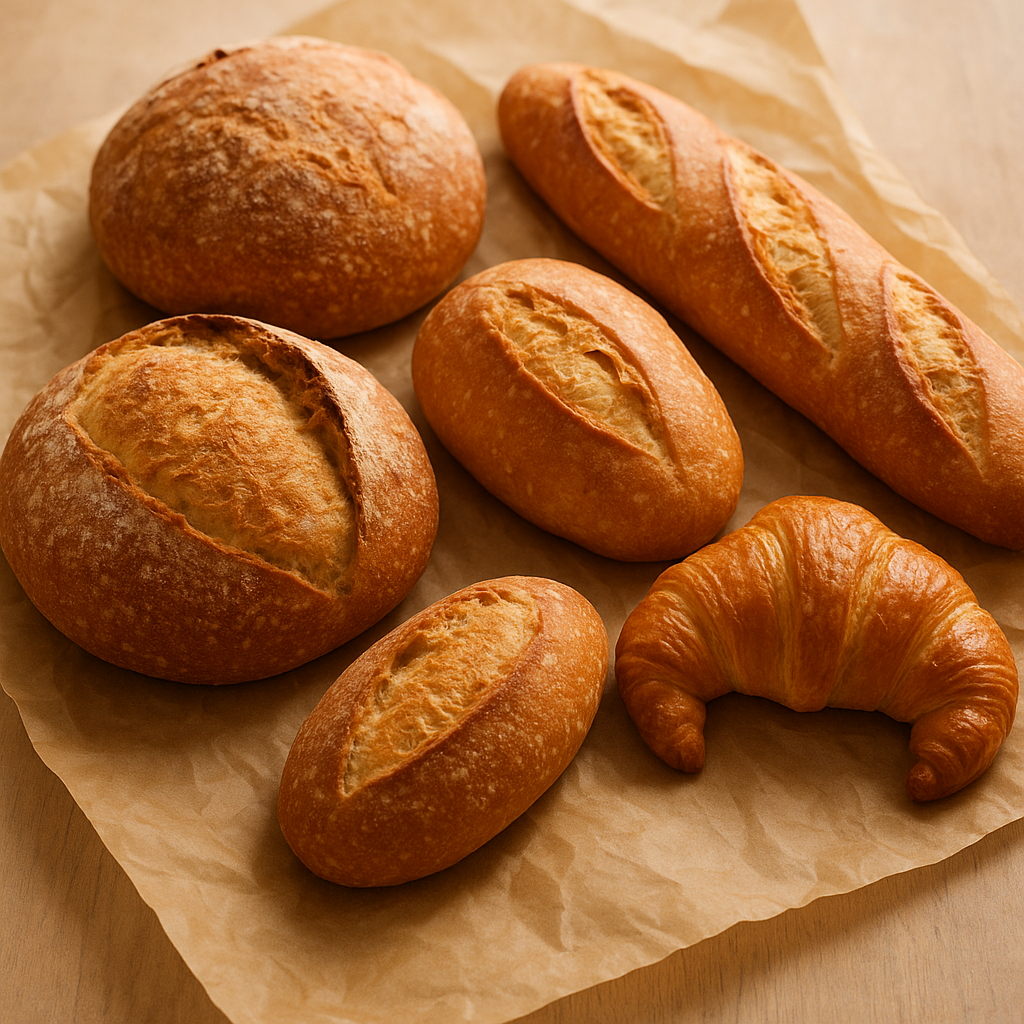
What it is
This is a loaf of rye bread that does not contain any seeds. Rye bread is made primarily from rye flour, which gives it a denser texture and a distinct flavor profile compared to wheat bread. The absence of seeds means a smoother mouthfeel and a more uniform crumb structure. It is a common staple in many households and bakeries, often enjoyed for its hearty qualities.
How people cook with it
Seedless rye bread is a versatile ingredient that can be used in a variety of meals and snacks.
- Sandwich base
- Toast
- Croutons
- Breadcrumbs
Slice the bread for sandwiches, layer it with your favorite fillings, or toast slices for a warm breakfast or snack. It can also be cubed and baked to create homemade croutons for salads and soups, or processed into crumbs for breading meats and vegetables. The dense texture holds up well to moist ingredients, making it ideal for robust sandwich combinations. For a simple preparation, toasting brings out its subtle nutty notes.
How it differs from similar foods
Unlike seeded rye breads, this variety offers a smoother texture without the occasional crunch or chewiness that seeds can provide. The absence of seeds makes it a preference for those who enjoy the distinct rye flavor but prefer a less varied mouthfeel. It is also often perceived as more traditional by some consumers.
Who it is for
Home cooks and individuals who appreciate the classic taste of rye bread without the addition of seeds will find this product appealing.
How to keep the rest
To maintain freshness, store the remaining loaf in its original packaging or a bread box at room temperature. For longer storage, it can be wrapped tightly and frozen. Thaw frozen slices at room temperature or toast them directly from frozen.