
H-E-B
H-E-B Seedless Lemons
What it is
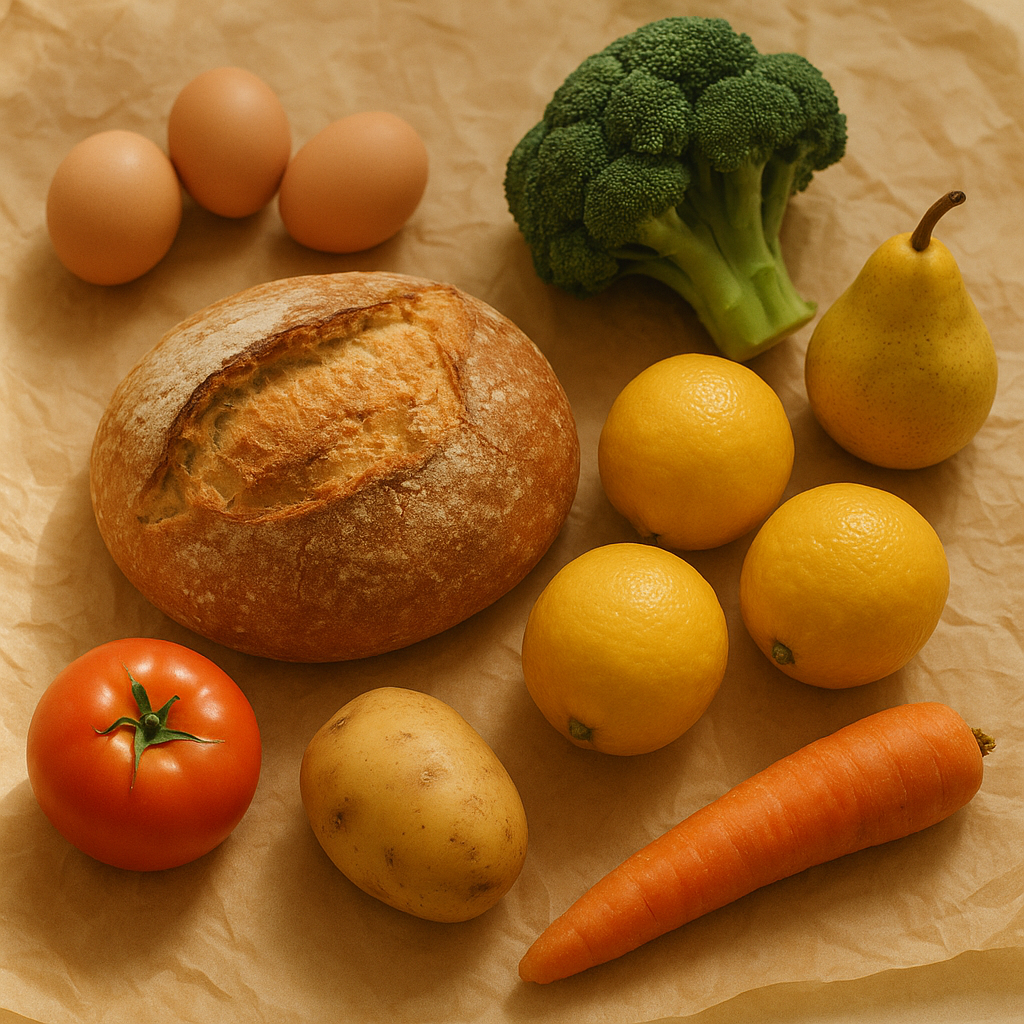
These are fresh, whole lemons that have been cultivated to produce very few seeds, if any. They are a type of citrus fruit, known for their bright yellow rind and tart, acidic juice. Lemons are a common ingredient in kitchens worldwide, prized for their distinct flavor and aroma. They grow on trees and are harvested when ripe.
How people cook with it
Seedless lemons are a versatile ingredient, perfect for adding a zesty punch to both sweet and savory dishes. Their juice and zest can brighten flavors and add a refreshing tang.
- Juicing for drinks
- Zesting for baking
- Marinades and dressings
- Garnishes
To extract the most juice, gently roll the lemon on a countertop before cutting it in half. The zest, the colorful outer layer of the peel, can be finely grated using a microplane or zester. This zest is excellent for infusing baked goods, sauces, and marinades with a concentrated lemon flavor. The juice can be squeezed directly into recipes, used to deglaze pans, or mixed into beverages. For garnishes, thin slices or wedges add a visual appeal and a burst of citrus.
How it differs from similar foods
Unlike traditional lemons that may contain numerous seeds, these are bred for convenience. The absence of seeds makes them easier to juice and zest, saving time and effort in food preparation. The flavor profile remains similar to standard lemons, offering that characteristic tartness.
Who it is for
Home cooks and professional chefs alike appreciate the ease of use offered by seedless lemons.
How to keep the rest
To keep the rest of your seedless lemons fresh, store them in a cool, dry place, such as a fruit bowl on the counter, or in the crisper drawer of your refrigerator. Refrigeration will extend their shelf life for several weeks.