
Grocery
Seeded Rye Bread
What it is
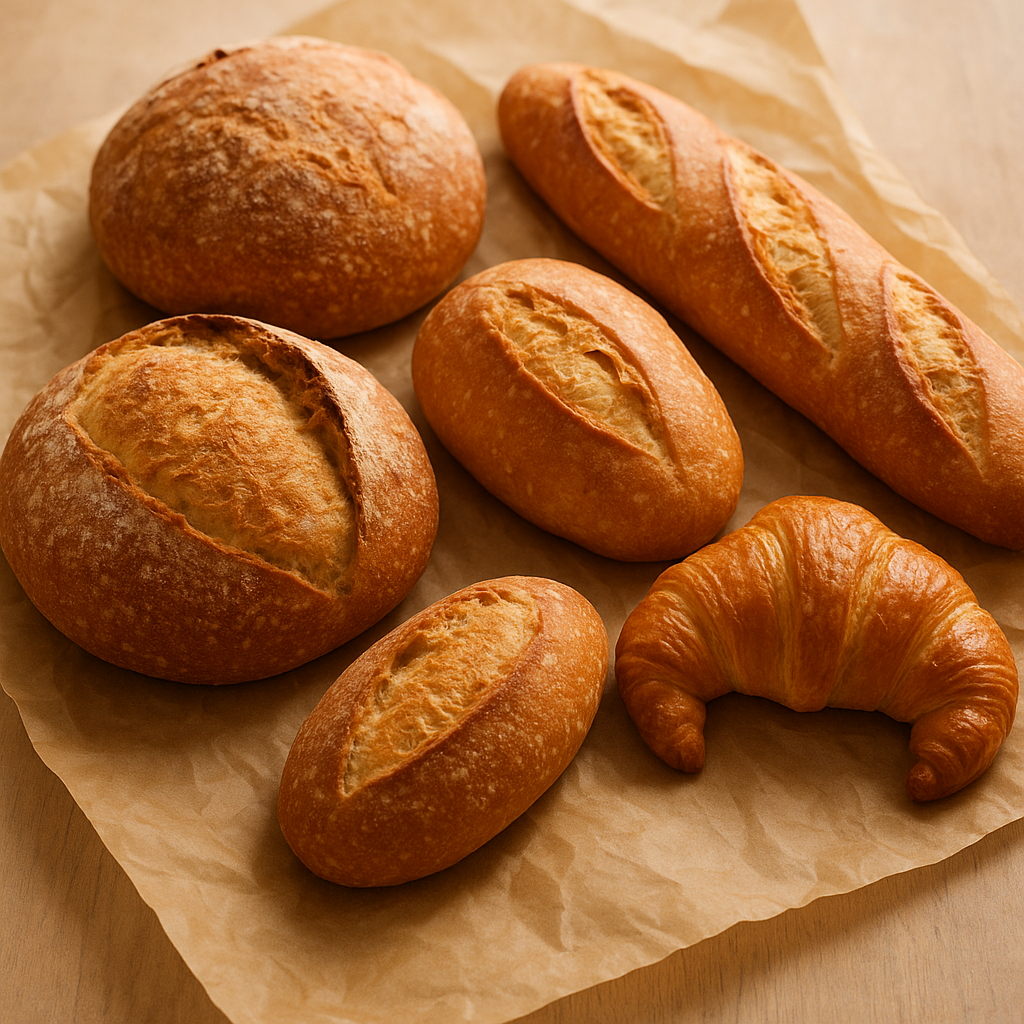
This is a loaf of bread made primarily from rye flour, a grain known for its dense texture and distinct flavor. It includes a variety of seeds, which add both visual appeal and a pleasant crunch. The bread is typically baked until it has a firm crust and a moist interior, making it a hearty and satisfying option for everyday meals. Its composition leans towards whole grains, offering a different eating experience than breads made solely from wheat.
How people cook with it
Seeded rye bread is versatile and can be enjoyed in many ways. It pairs well with both savory and sweet toppings.
- Sandwich base
- Toast with butter
- Accompaniment to soup
- Open-faced sandwiches
This bread is excellent for making sandwiches, as its sturdy structure holds up well to various fillings. Toasting slices brings out their nutty flavors and creates a crispier texture, perfect for spreading with butter, jam, or cream cheese. It also serves as a delightful base for open-faced creations, such as avocado toast or smoked salmon. When served alongside hearty stews or creamy soups, it provides a satisfying counterpoint to the liquid dish. Its robust nature means it can stand up to strong flavors.
How it differs from similar foods
Compared to white bread, seeded rye bread has a denser crumb and a more pronounced, slightly sour flavor profile due to the rye. The addition of seeds introduces varied textures and a nutty undertone that is not present in plain rye or white loaves. It generally has a darker color and a more substantial feel.
Who it is for
People who appreciate hearty, flavorful bread often choose this option for their daily meals.
How to keep the rest
To maintain freshness, store any leftover seeded rye bread in a cool, dry place, ideally in a bread box or a tightly sealed bag. This helps prevent it from drying out too quickly. For longer storage, it can be sliced and frozen, then thawed at room temperature or toasted directly from frozen.