
Grocery
Russet Potatoes for Everyday Cooking
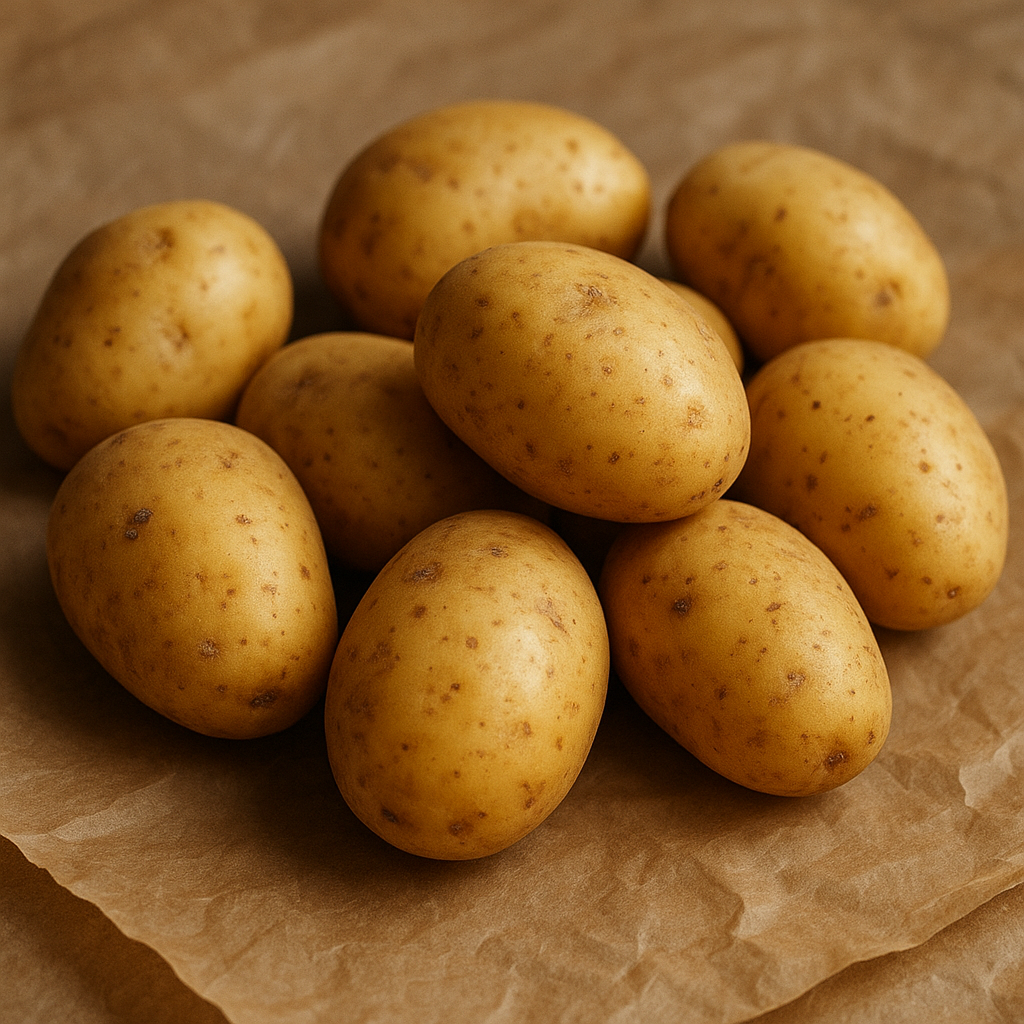
What it is
These are whole, raw russet potatoes, a popular variety known for their starchy texture and earthy flavor. They are a versatile staple in many kitchens, suitable for a wide range of culinary applications. Each potato is a natural source of carbohydrates and is a common ingredient in both simple and complex dishes. They are typically sold in mesh bags or loose, allowing consumers to select the quantity they need.
How people cook with it
Russet potatoes are a foundational ingredient for many classic comfort foods and side dishes. Their texture makes them ideal for baking, mashing, and frying.
- Baked potatoes
- Mashed potatoes
- French fries
- Roasted potatoes
To prepare russet potatoes, begin by washing them thoroughly under running water to remove any dirt. You can peel them or leave the skin on, depending on your preference and the intended dish. For baking, simply prick the potatoes with a fork and bake them in a preheated oven until tender. For mashing, boil them until soft, then mash with your desired additions. When making fries, cut them into uniform strips and fry or bake until golden brown and crispy.
How it differs from similar foods
Russet potatoes are distinguished by their thick, rough skin and dense, starchy flesh. This high starch content makes them absorb butter and other toppings well when baked and contributes to their fluffy interior when mashed. Other potato varieties, like Yukon Golds, tend to be waxier and hold their shape better when boiled or roasted.
Who it is for
Home cooks and professional chefs alike rely on russet potatoes for their consistent performance and familiar taste.
How to keep the rest
Store any unused russet potatoes in a cool, dark, and well-ventilated place, such as a pantry or cellar. Avoid storing them in the refrigerator, as cold temperatures can convert their starches to sugars, affecting their flavor and texture. Keep them away from onions, as they can cause each other to spoil more quickly.