
Grocery
Wild Baltic Salmon Fillets
What it is
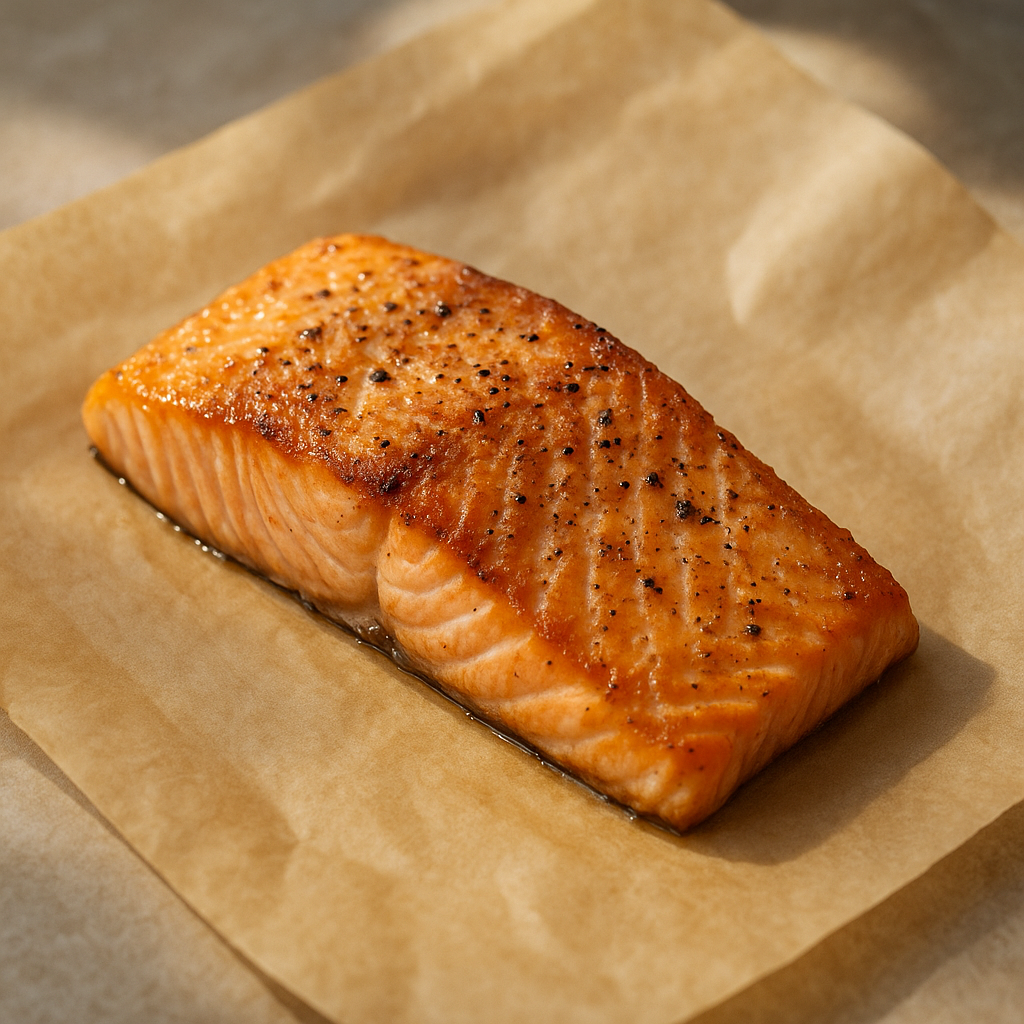
These are premium fillets of wild salmon sourced from the Baltic Sea. Wild salmon is known for its distinct flavor and firm texture, often differing from farmed varieties. The fish is typically processed and frozen to preserve its freshness and quality. These fillets offer a natural source of omega-3 fatty acids. They are a versatile ingredient for various culinary preparations.
How people cook with it
Wild salmon is excellent for a wide range of cooking methods, from simple pan-searing to more elaborate baked dishes.
- Pan-seared for a crispy skin
- Baked with herbs and lemon
- Grilled for a smoky flavor
- Added to salads or pasta
When cooking, allow the salmon fillets to thaw completely in the refrigerator. Pat them dry thoroughly with paper towels before seasoning. This helps achieve a better sear. For pan-searing, heat a little oil or butter in a skillet over medium-high heat and cook for a few minutes per side until opaque and flaky. Baking can be done at around 400°F (200°C) for 12-15 minutes, depending on thickness. Avoid overcooking to maintain moisture and tenderness.
How it differs from similar foods
Wild salmon generally has a deeper color and a more intense, less fatty flavor compared to farmed salmon. Its texture is often firmer and more distinct due to the fish's active lifestyle in its natural environment. This results in a more pronounced salmon taste.
Who it is for
Home cooks seeking a high-quality, flavorful fish for healthy meals.
How to keep the rest
Keep any unused portions of the salmon frozen until ready to use. Once thawed, store in the refrigerator and consume within one to two days. Ensure it is tightly wrapped or in an airtight container to prevent drying out and to maintain its freshness.