
Grocery
Soy Sauce
What it is
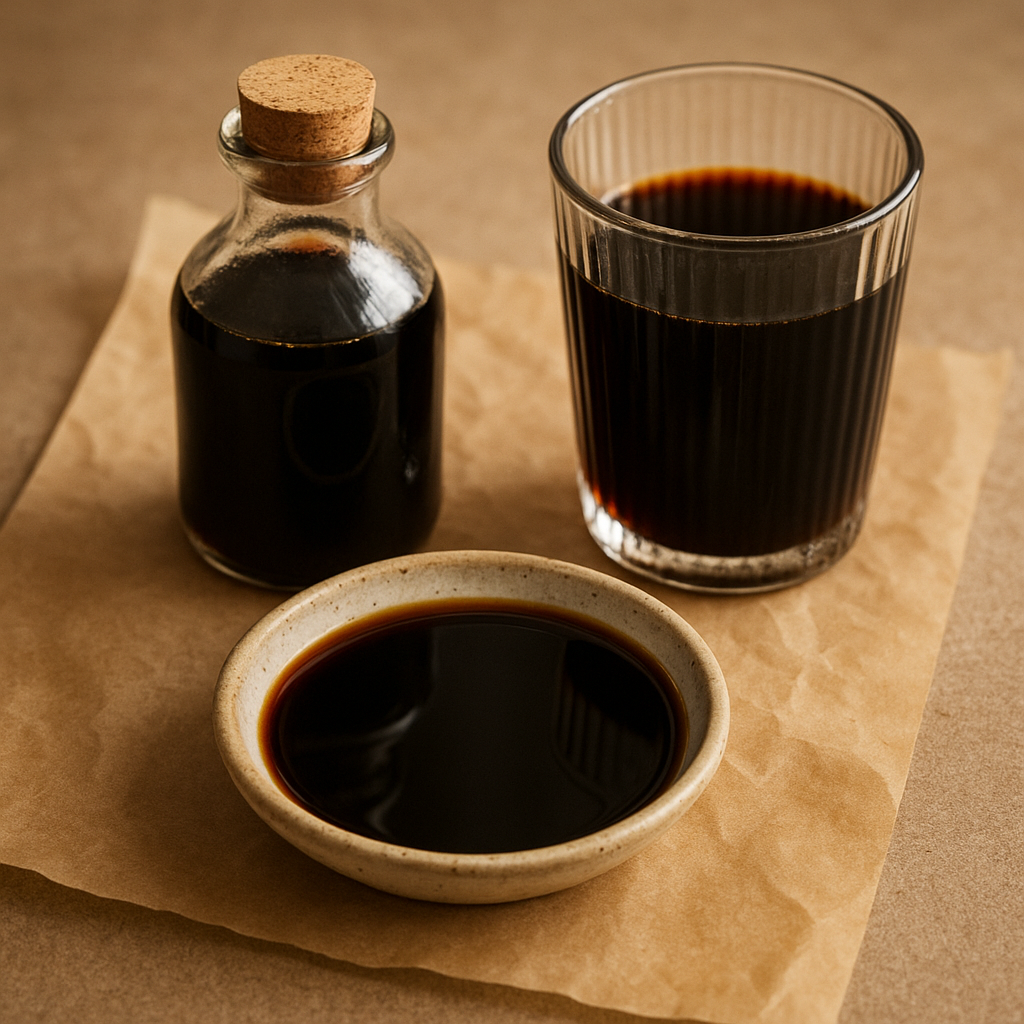
Soy sauce is a fundamental condiment in many Asian cuisines, made from fermented soybeans, roasted grains, brine, and Aspergillus molds. This dark, savory liquid adds a distinct umami flavor and a rich color to dishes. Its complex taste profile balances salty, slightly sweet, and fermented notes, making it a versatile ingredient for marinades, dipping sauces, and stir-fries. The fermentation process is key to developing its characteristic aroma and depth of flavor.
How people cook with it
Soy sauce is a staple for adding depth and saltiness to a wide range of dishes. It is commonly used as a seasoning and a base for sauces.
- Marinades for meats
- Dipping sauce for sushi
- Seasoning for stir-fries
- Glaze for roasted vegetables
To use soy sauce, simply pour it into your cooking or serving dishes. It can be added directly to stir-fries during the cooking process to season vegetables and proteins. For marinades, combine it with other ingredients like garlic, ginger, and oil, then let your chosen food soak in it for at least 30 minutes. It also works well as a finishing touch, drizzled over cooked rice or noodles. When making dipping sauces, it forms the savory base, often mixed with ingredients like vinegar, chili, or sesame oil.
How it differs from similar foods
Different types of soy sauce exist, varying in saltiness, sweetness, and color. Light soy sauce is typically saltier and thinner, used for general seasoning. Dark soy sauce is richer, less salty, and adds a deep color, often used in braised dishes. This particular variety offers a balanced flavor profile suitable for broad culinary applications.
Who it is for
Home cooks and professional chefs alike rely on soy sauce to enhance the flavor of their meals.
How to keep the rest
After opening, store soy sauce in a cool, dark place, such as a pantry or refrigerator, to maintain its flavor and quality. Ensure the cap is tightly sealed to prevent oxidation and evaporation. Properly stored, it can last for a considerable time, though its aroma and taste may gradually diminish.