
Over The Top
Over The Top Sanding Sugar
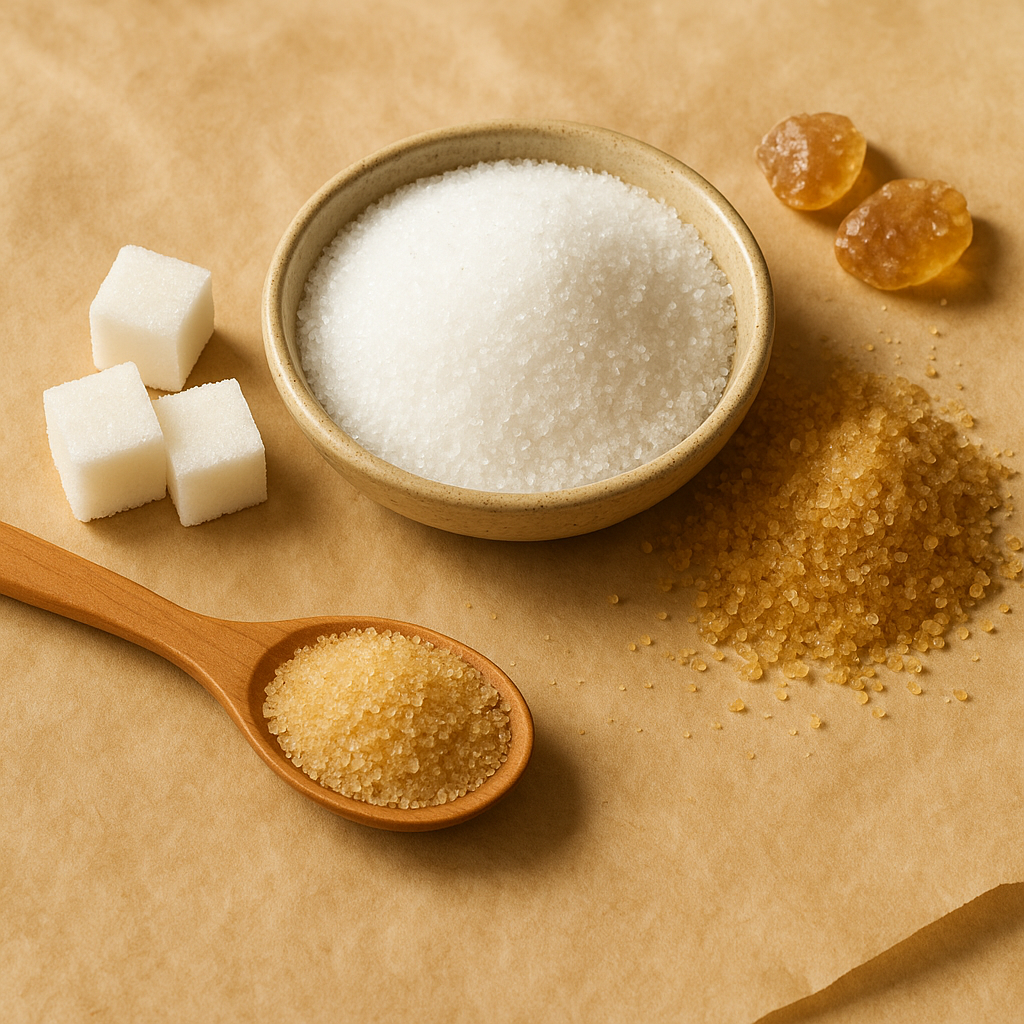
What it is
This is a type of sugar that is coarser than granulated sugar. It is made of small, uniform crystals that reflect light. This gives baked goods a sparkling appearance. It is often used for decorating cakes, cookies, and other desserts. The sugar is typically dyed in various colors to add visual appeal. It is a simple yet effective way to enhance the presentation of homemade treats.
How people cook with it
Sanding sugar is primarily used for decorative purposes on baked goods. Its unique texture and appearance make it a popular choice for adding a festive touch.
- Decorating cookies
- Topping cakes
- Adding sparkle to cupcakes
- Garnishing pastries
Sprinkle sanding sugar directly onto wet frosting or dough before baking. The crystals will adhere to the surface, creating a shimmering effect. For cookies, press the sugar into the dough before baking or sprinkle it on top after frosting. It can also be used to rim glasses for beverages or to add a decorative finish to pies and tarts. The coarse crystals hold their shape and do not dissolve as readily as finer sugars, ensuring a lasting sparkle.
How it differs from similar foods
Sanding sugar differs from granulated sugar due to its larger, more uniform crystal size. This creates a distinct sparkle and crunch. Unlike confectioners' sugar, which is finely powdered and dissolves easily, sanding sugar maintains its texture and visual impact on baked goods.
Who it is for
Bakers and home cooks who enjoy adding decorative elements to their desserts will find this sugar useful.
How to keep the rest
Store any unused sanding sugar in a cool, dry place in an airtight container. This will prevent moisture from clumping the crystals together. Keep it away from direct sunlight and strong odors to maintain its purity and color.