
Grocery
Salted Butter
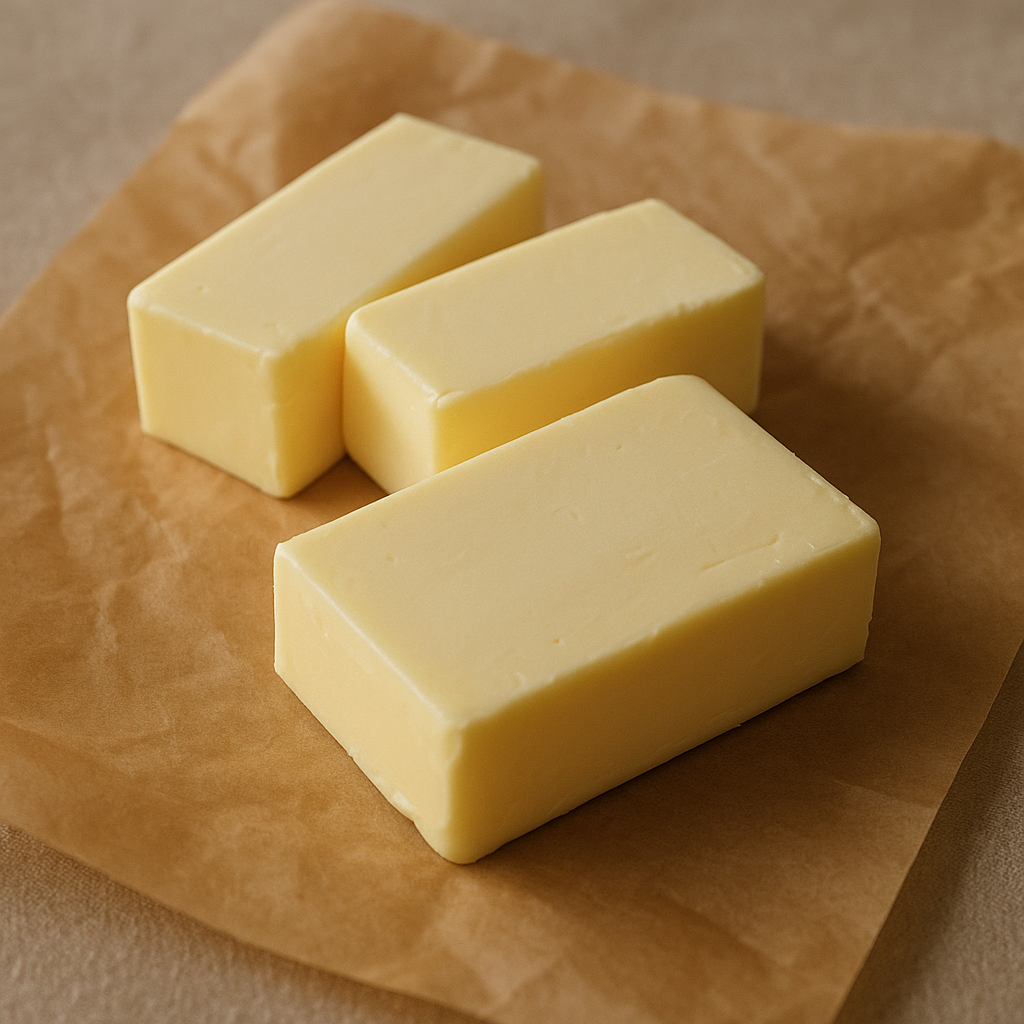
What it is
This is a dairy product made from churning cream. It has a rich, creamy texture and a distinct yellow color. The addition of salt enhances its flavor and also acts as a mild preservative. It is a common staple in kitchens worldwide, used in a wide variety of sweet and savory dishes. Its fat content contributes to moisture and tenderness in baked goods and adds richness to sauces and sautés.
How people cook with it
Salted butter is incredibly versatile. It can be used as a spread, a cooking fat, or an ingredient in countless recipes.
- Spreading on toast
- Baking cookies
- Sautéing vegetables
- Melting over popcorn
When baking, salted butter is often creamed with sugar to create a light and airy base for cakes and cookies. It can be melted and drizzled over dishes for added flavor and moisture. In savory cooking, it provides a base for sauces, helps brown meats, and adds richness to pan-fried items. The salt content means you may need to adjust the amount of added salt in your recipes. For simple enjoyment, it's perfect for spreading on warm bread or muffins.
How it differs from similar foods
Salted butter differs from unsalted butter primarily due to the presence of added salt. This salt boosts flavor and extends shelf life. Unsalted butter offers a purer butter flavor, allowing bakers to control the salt level precisely in their recipes. The salt in salted butter can also affect browning slightly.
Who it is for
Home cooks and professional chefs use salted butter for its flavor and convenience.
How to keep the rest
To keep the rest of the salted butter fresh, store it in its original packaging in the refrigerator. If you plan to use it within a few weeks, the refrigerator is ideal. For longer storage, it can be frozen. Ensure it is tightly wrapped to prevent freezer burn and absorption of other odors.