
Grocery
Salted Butter Half Sticks
What it is
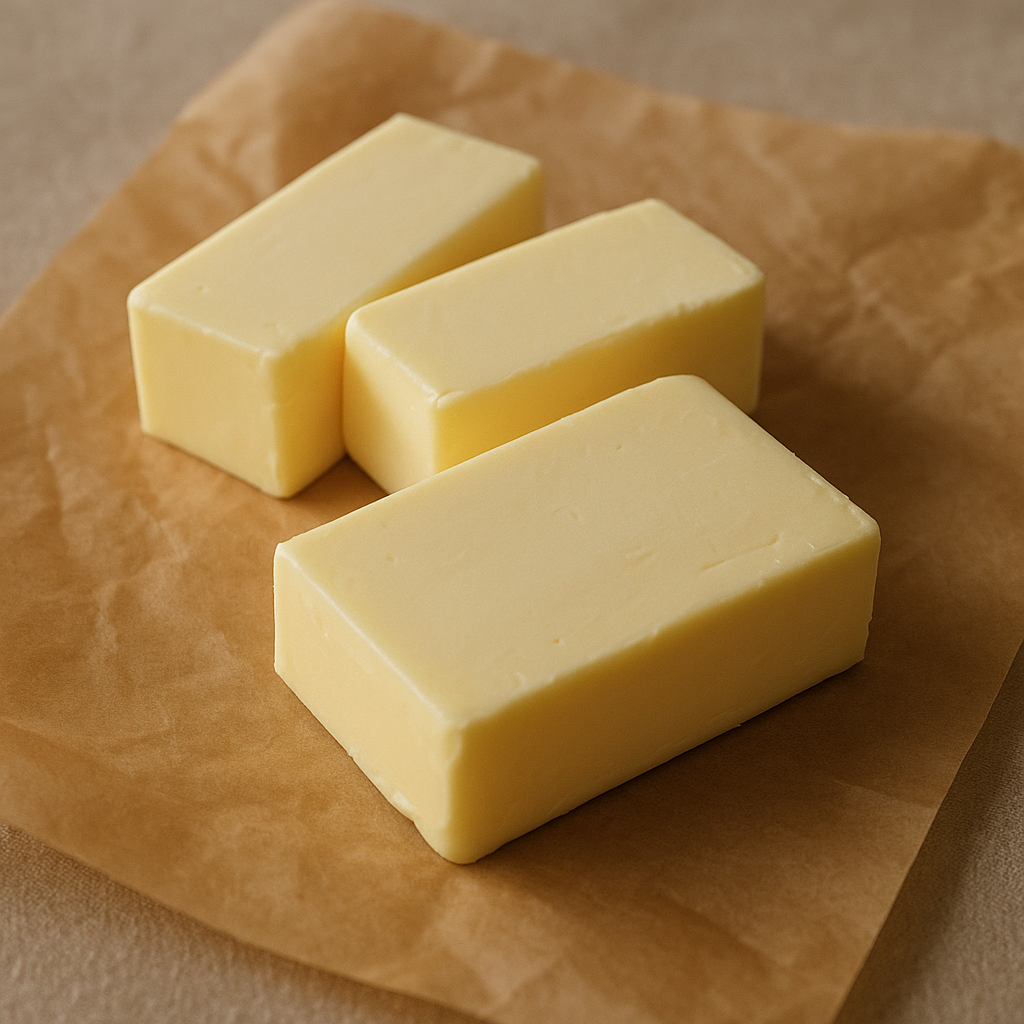
This is a package of butter that has been salted during its production. Butter is a dairy product made from churning cream. The addition of salt helps to preserve the butter and also adds a distinct flavor. These are conveniently portioned into smaller sticks, often referred to as half sticks, making them easy to measure and use in various culinary applications. The fat content is typically high, contributing to richness and texture in cooked dishes.
How people cook with it
Salted butter is a versatile ingredient found in most kitchens. It is used in both sweet and savory cooking and baking.
- Baking cookies
- Sautéing vegetables
- Spreading on toast
- Sauces and glazes
When baking, salted butter can be creamed with sugar to create a base for cakes and cookies, providing structure and tenderness. In savory dishes, it melts beautifully to coat vegetables or form the foundation of pan sauces. It can be softened at room temperature for easy spreading or used cold in pastry doughs to create flaky layers. The salt content means you may need to adjust the amount of additional salt in your recipes. It's a staple for adding richness and flavor to a wide range of meals.
How it differs from similar foods
Salted butter differs from unsalted butter primarily due to the presence of added salt. This salt enhances flavor and acts as a mild preservative. Unsalted butter allows the baker or cook complete control over the saltiness of a dish, which is often preferred in delicate baking where precise flavor balance is critical.
Who it is for
Home cooks and professional chefs alike use salted butter for its flavor and functionality.
How to keep the rest
To keep the remaining butter fresh, store it tightly wrapped in its original packaging or an airtight container in the refrigerator. This prevents it from absorbing odors from other foods. For longer storage, butter can be frozen, though its texture may change slightly upon thawing.