
Grocery
Salted Butter
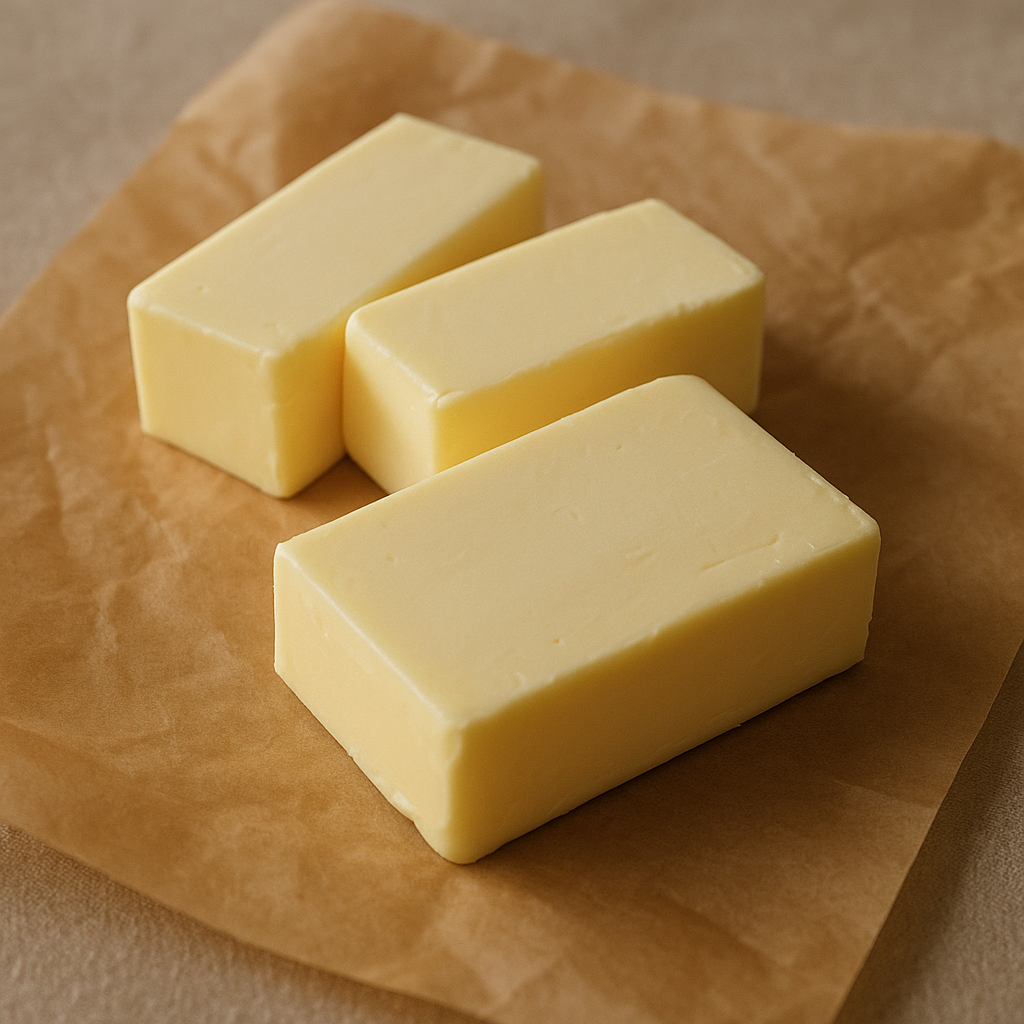
What it is
Salted butter is a dairy product made from churned cream that has had salt added. The salt acts as a preservative and also enhances the flavor. It is a staple in many kitchens, used for a wide variety of cooking and baking applications. The fat content is typically around 80% to 82%.
How people cook with it
Salted butter is a versatile ingredient that can be used in both sweet and savory dishes. It adds richness and flavor to almost anything it touches.
- Baking cakes and cookies
- Sautéing vegetables
- Spreading on toast
- Sauces and gravies
When baking, salted butter can often be used interchangeably with unsalted butter, though you may need to adjust the salt in your recipe. For savory cooking, it provides a rich base for sauces, a way to brown meats, and a flavorful addition to roasted vegetables. It melts easily and can be incorporated into many preparations. It is also a popular choice for simply spreading on bread or rolls.
How it differs from similar foods
Salted butter differs from unsalted butter primarily due to the addition of salt. This salt content can affect the browning of baked goods and the overall saltiness of a dish. Unsalted butter offers more control over the salt level in recipes.
Who it is for
Home cooks and professional chefs alike rely on salted butter for its flavor and functionality.
How to keep the rest
To store leftover salted butter, keep it tightly wrapped in its original packaging or in an airtight container. It can be kept at room temperature for a short period if used frequently, but refrigeration will extend its freshness significantly. Ensure it is protected from strong odors.