
Grocery
Salted Butter
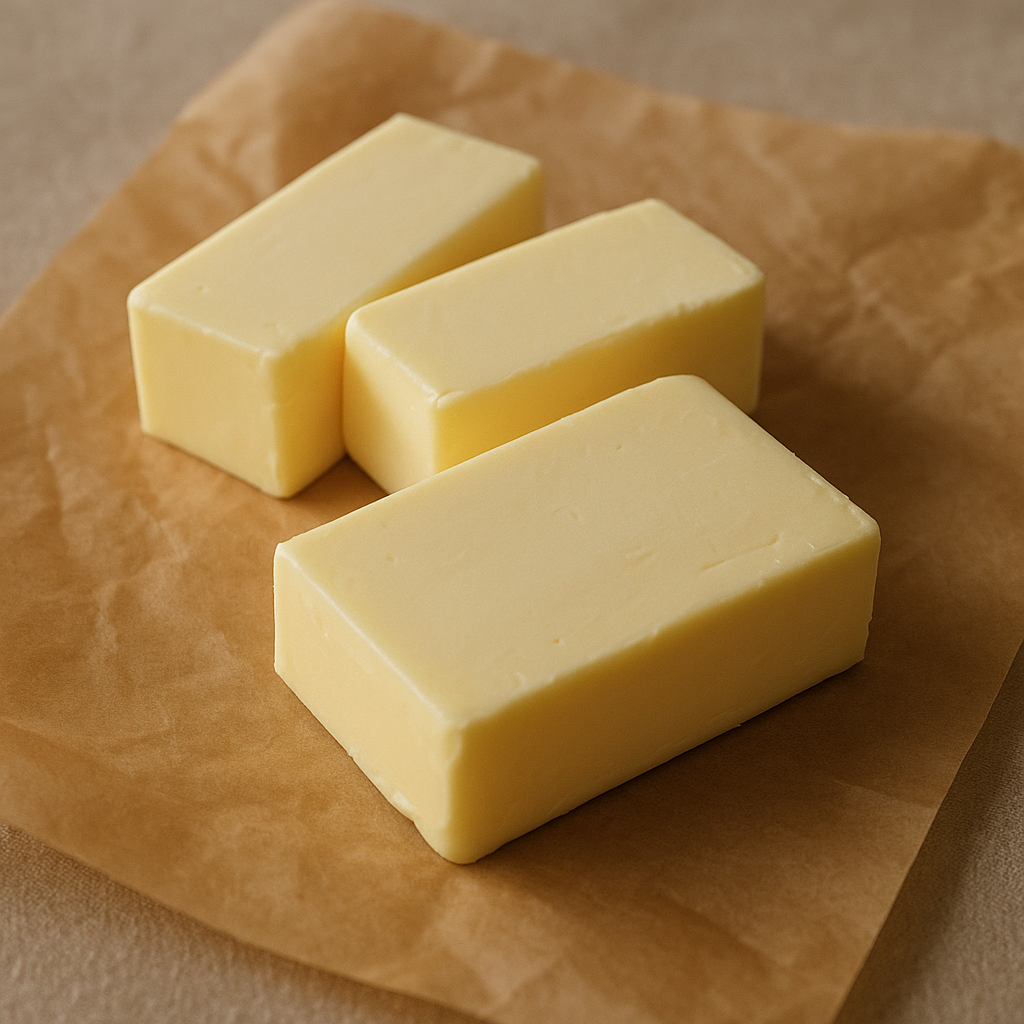
What it is
Salted butter is a dairy product made by churning cream and then adding salt. The salt acts as a preservative and also enhances the flavor of the butter. It has a smooth, creamy texture and a rich, slightly tangy taste. This type of butter is a staple in many kitchens, used for a wide variety of culinary applications, from baking to everyday cooking. Its consistent quality makes it a reliable choice for both professional chefs and home cooks.
How people cook with it
Salted butter is incredibly versatile and can be used in both sweet and savory dishes. Its presence adds richness and depth to many recipes.
- Spreading on toast
- Baking cookies
- Sautéing vegetables
- Finishing sauces
When baking, salted butter can often be used interchangeably with unsalted butter, though you may need to adjust the salt in the recipe accordingly. For cooking, it melts beautifully into pan sauces, adds moisture to baked goods, and provides a lovely richness when spread directly onto warm bread. It's also excellent for greasing pans, ensuring that food releases easily and develops a golden-brown crust. Its ability to emulsify makes it a key ingredient in many classic culinary techniques.
How it differs from similar foods
Salted butter differs from unsalted butter primarily by the addition of salt. This salt content affects its flavor profile, making it more pronounced. While both can be used in cooking, unsalted butter gives the cook more control over the overall saltiness of a dish, which is often preferred in delicate baking.
Who it is for
Home cooks and professional chefs rely on salted butter for its flavor and versatility in everyday cooking and baking.
How to keep the rest
To keep the rest of your salted butter fresh, store it in its original packaging or an airtight container in the refrigerator. For longer storage, it can be frozen. Ensure it is well-wrapped to prevent freezer burn. It should maintain its quality for several months when properly stored.