
Grocery · 16 oz
Salted Butter
What it is
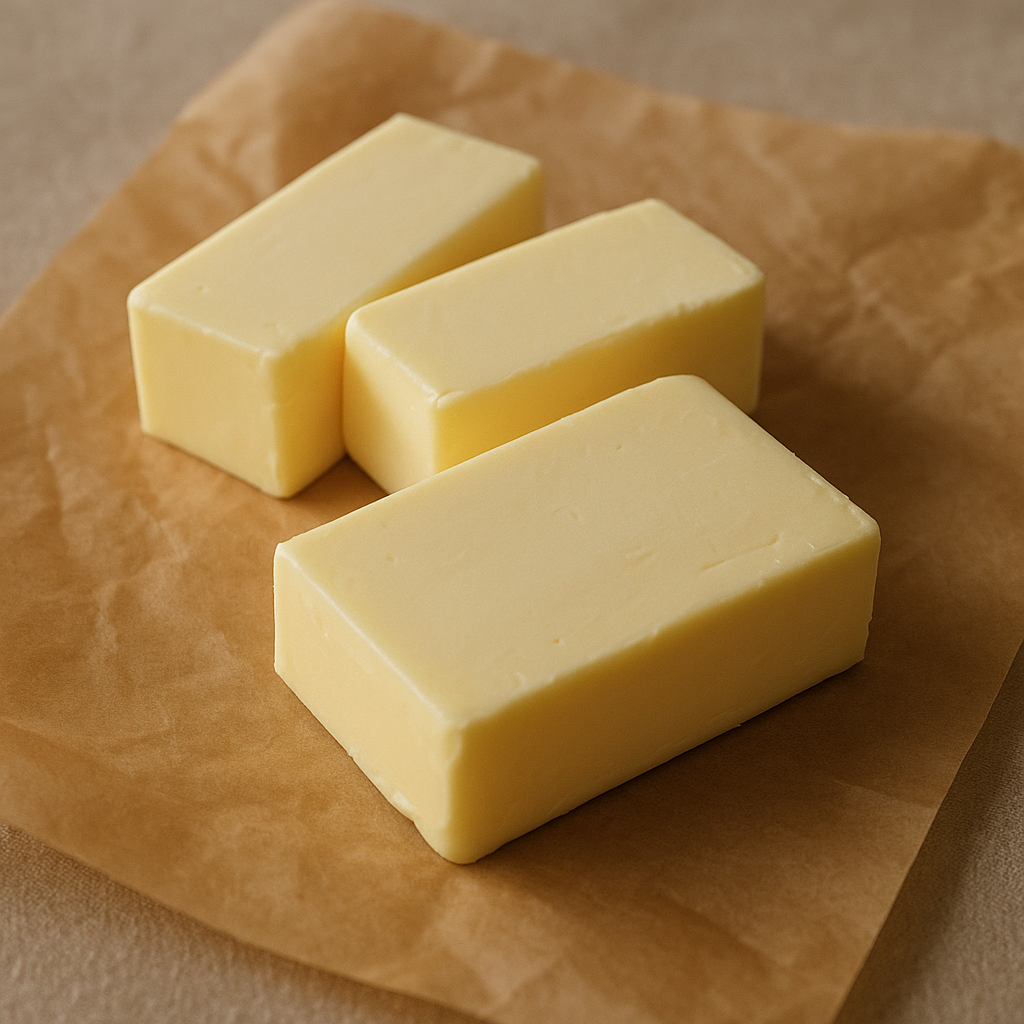
This is a common dairy product made from churning cream. It has a rich, creamy texture and a distinct flavor. The addition of salt enhances its taste and also acts as a mild preservative. It is a staple in many kitchens for both cooking and baking. The fat content is typically high, contributing to its smooth mouthfeel and ability to brown.
How people cook with it
Salted butter is incredibly versatile and used in countless culinary applications. Its flavor profile makes it suitable for both sweet and savory dishes.
- Baking cakes and cookies
- Sautéing vegetables
- Spreading on toast
- Enriching sauces
When baking, salted butter provides structure and tenderness to doughs and batters. Its fat content helps create flaky layers in pastries and moist cakes. In savory cooking, it’s used to build flavor in pan sauces, to sauté aromatics like onions and garlic, and to finish dishes by adding richness and gloss. It can be melted into dressings or used to grease pans. The salt content means you should adjust the seasoning in your recipes accordingly.
How it differs from similar foods
Compared to unsalted butter, salted butter has a noticeable saltiness. This makes it ideal for applications where added salt is desired, like spreading on bread. Unsalted butter offers more control over the final saltiness of a dish, which is often preferred in delicate baking.
Who it is for
Home cooks and professional chefs rely on salted butter for its flavor and functional properties in everyday cooking and baking.
How to keep the rest
To keep the remaining butter fresh, store it in its original packaging or an airtight container in the refrigerator. For longer storage, it can be frozen. Ensure it is well-wrapped to prevent freezer burn and maintain its quality for several months.