
Grocery
Salted Butter
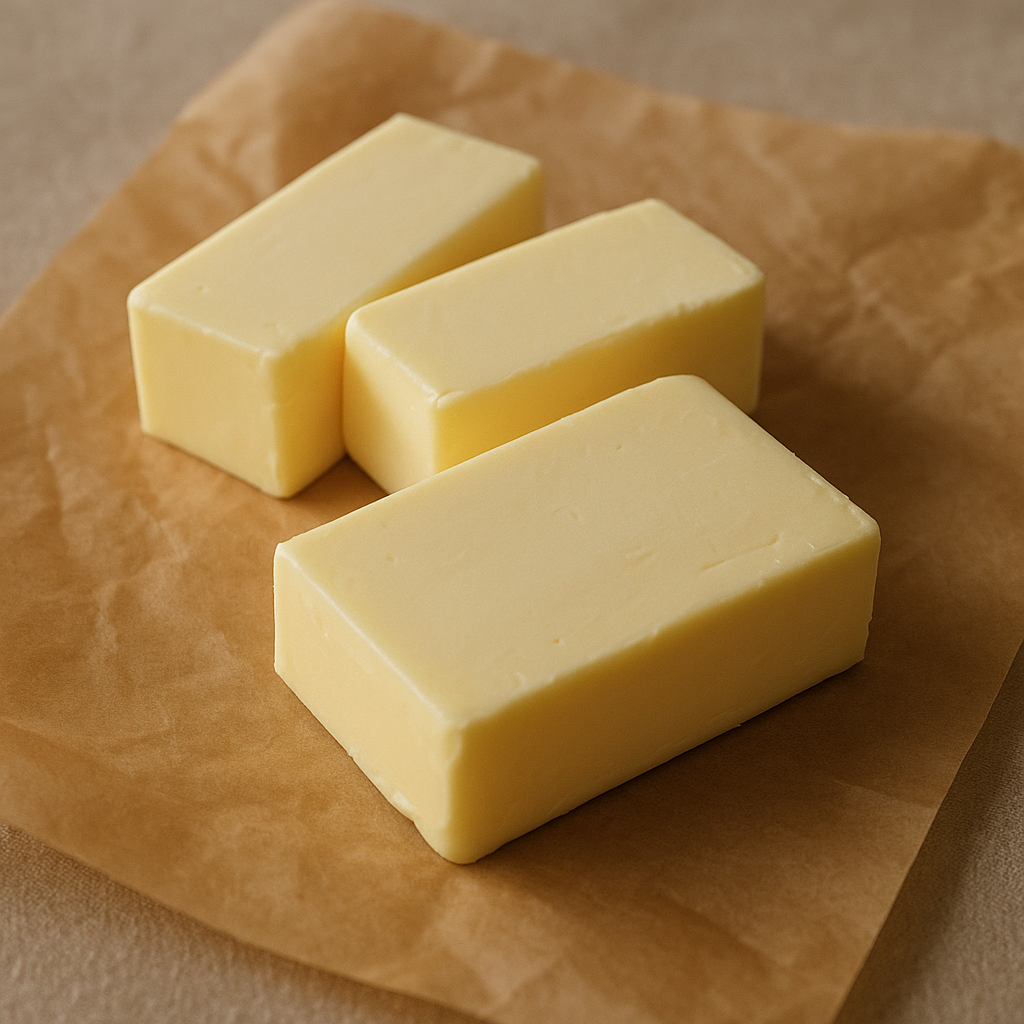
What it is
This is a dairy product made from churned cream, with salt added. The salt acts as a preservative and also enhances the flavor. It has a smooth, spreadable consistency when at room temperature. The fat content is typically high, contributing to its rich taste and texture. It is a staple in many kitchens for both cooking and baking applications.
How people cook with it
Salted butter is incredibly versatile and can be used in countless ways in the kitchen. Its presence is fundamental to many culinary creations.
- Spreading on toast
- Baking cookies
- Sautéing vegetables
- Melting over steamed corn
When baking, salted butter can be creamed with sugar to create a light and airy base for cakes and cookies. It's also excellent for creating flaky pie crusts when cut into flour. In savory dishes, it adds richness and depth of flavor when used to sauté onions, garlic, or vegetables. Melting it over hot foods like steak or pasta imparts a luscious finish. For simple enjoyment, it’s perfect for spreading on warm bread or muffins.
How it differs from similar foods
Compared to unsalted butter, salted butter contains added salt, which affects both its flavor profile and its behavior in recipes. The salt can slightly alter the browning process in baked goods and adds a savory note that might not be desired in all delicate pastries.
Who it is for
Home cooks and professional chefs alike rely on salted butter for its flavor and functionality.
How to keep the rest
To keep the remaining salted butter fresh, store it in its original packaging or an airtight container in the refrigerator. If you plan to use it for baking, it's often best to keep it chilled until ready to incorporate into your dough or batter. For longer storage, it can be frozen.