
Grocery
Salted Butter
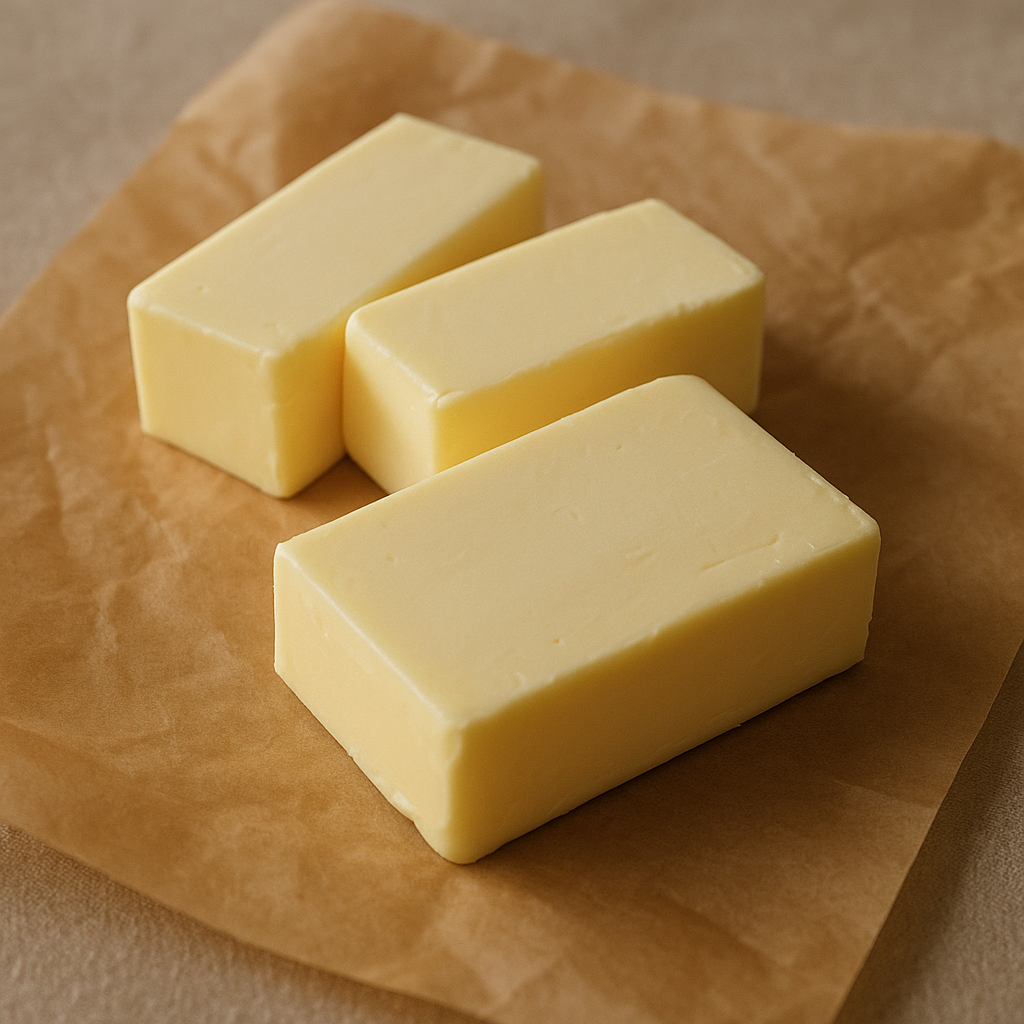
What it is
This is a dairy product made from churned cream. It has a rich, creamy texture and a distinct yellow color. Salt is added during the manufacturing process, which helps to preserve the butter and enhance its flavor. The salt content also contributes to a slightly firmer texture compared to unsalted butter. It is a common staple in many kitchens for both cooking and baking.
How people cook with it
Salted butter is a versatile ingredient used in countless culinary applications. Its flavor and texture make it suitable for a wide range of dishes.
- Spreading on toast
- Baking cookies
- Sautéing vegetables
- Sauces and glazes
When baking, salted butter can be used directly from the refrigerator for recipes that call for cold butter, such as pie crusts or biscuits. For recipes requiring softened butter, allow it to sit at room temperature for about 30-60 minutes until it yields to gentle pressure. It melts beautifully in sauces, pan-frying, and for greasing pans. The salt content can sometimes influence the overall saltiness of a dish, so it's often recommended to adjust added salt accordingly when using salted butter in savory preparations.
How it differs from similar foods
Salted butter differs from unsalted butter primarily due to the addition of salt. This salt acts as a preservative and adds a distinct flavor profile. Unsalted butter offers a pure, unadulterated dairy taste and allows the baker or cook complete control over the salt level in their recipes.
Who it is for
Home cooks and professional chefs use salted butter for its flavor and convenience.
How to keep the rest
To keep the remaining salted butter fresh, store it tightly wrapped in its original packaging or in an airtight container in the refrigerator. This helps prevent it from absorbing odors from other foods. For longer storage, it can be frozen.