
Sendik’s
Sendik’s Salted Butter
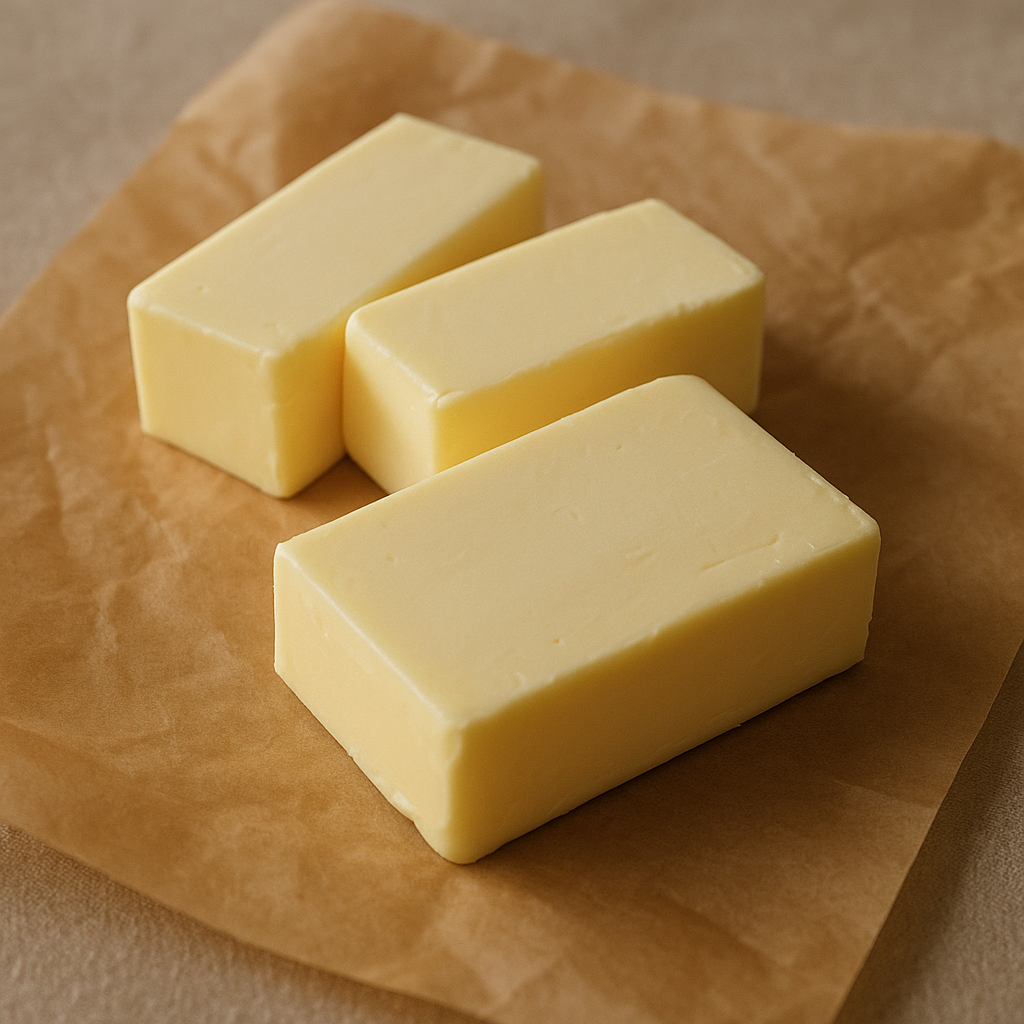
What it is
This is a standard dairy butter, churned from cream and then salt is added. The salt acts as a preservative and also enhances the flavor. It comes in a solid form, typically in a rectangular stick, and is a common staple in kitchens for both cooking and baking. The fat content is generally high, contributing to its richness and texture in various dishes.
How people cook with it
Butter is a versatile ingredient used in countless culinary applications. It adds moisture, flavor, and helps with browning.
- Baking cakes and cookies
- Sautéing vegetables
- Spreading on toast
- Sauce enrichment
For baking, butter is often softened to room temperature to cream with sugar, creating a light and airy texture. It can also be melted for recipes that require a liquid fat. In savory cooking, it's used to start dishes, adding a base flavor and helping ingredients develop a golden-brown crust. It melts quickly, so it's important to manage the heat when using it in pans. Its ability to emulsify also makes it useful for creating smooth sauces and glazes.
How it differs from similar foods
Salted butter differs from unsalted butter primarily by the addition of salt. This salt content can affect the outcome of baked goods, potentially making them taste saltier or affecting browning. Unsalted butter allows the baker to control the salt level precisely, which is often preferred for delicate pastries. The salt in this butter also provides a subtle flavor boost in savory dishes.
Who it is for
Home cooks and professional chefs rely on salted butter for its flavor and functional properties in everyday cooking and baking.
How to keep the rest
To keep the rest of the butter fresh, store it in its original packaging in the refrigerator. Ensure it is tightly wrapped to prevent it from absorbing odors from other foods. For longer storage, butter can be frozen, but it's best to divide it into smaller portions before freezing.