
Grocery
Frozen Salmon Fillets
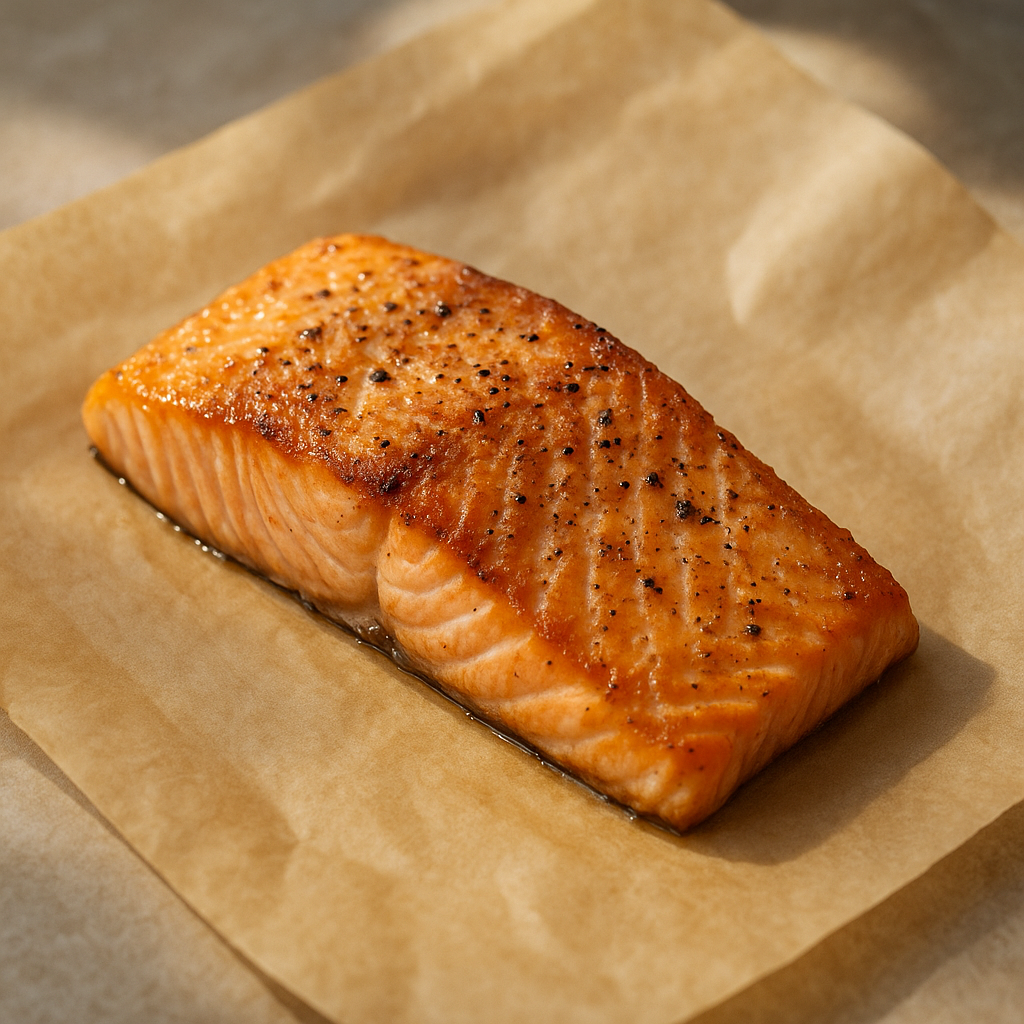
What it is
These are pre-portioned salmon fillets that have been flash-frozen to preserve their freshness. They come from the salmon species, known for its rich flavor and flaky texture. The freezing process locks in the natural moisture and taste, making them a convenient option for home cooks. They are typically skin-on or skin-off, depending on the cut, and are ready to be prepared after thawing.
How people cook with it
They can be cooked using many different methods, adapting to your culinary preferences.
- Pan-seared for a crispy skin
- Baked with herbs and lemon
- Grilled for a smoky flavor
- Added to pasta dishes
Before cooking, ensure the salmon fillets are fully thawed. You can do this by placing them in the refrigerator overnight or by using the defrost setting on your microwave. Once thawed, pat the fillets dry with paper towels. This helps achieve a better sear. Season them with salt, pepper, and your favorite herbs or spices. Then, cook them using your preferred method, such as baking, pan-searing, or grilling, until the fish is opaque and flakes easily with a fork. Avoid overcooking to maintain a moist texture.
How it differs from similar foods
Compared to fresh salmon, frozen fillets offer extended shelf life and convenience. The flash-freezing process aims to retain the texture and flavor profile closely to fresh, though some subtle differences in moisture content can occur after thawing. They are ideal for stocking your freezer for spontaneous meal preparation.
Who it is for
Home cooks seeking a convenient and high-quality seafood option for weeknight dinners or special occasions.
How to keep the rest
Keep any unused, thawed salmon fillets refrigerated and cook them within one to two days. If the fillets are still frozen, store them in the freezer at 0°F (-18°C) or below. Ensure the packaging is tightly sealed to prevent freezer burn and maintain quality.