
Grocery
Fresh Salmon Fillets
What it is
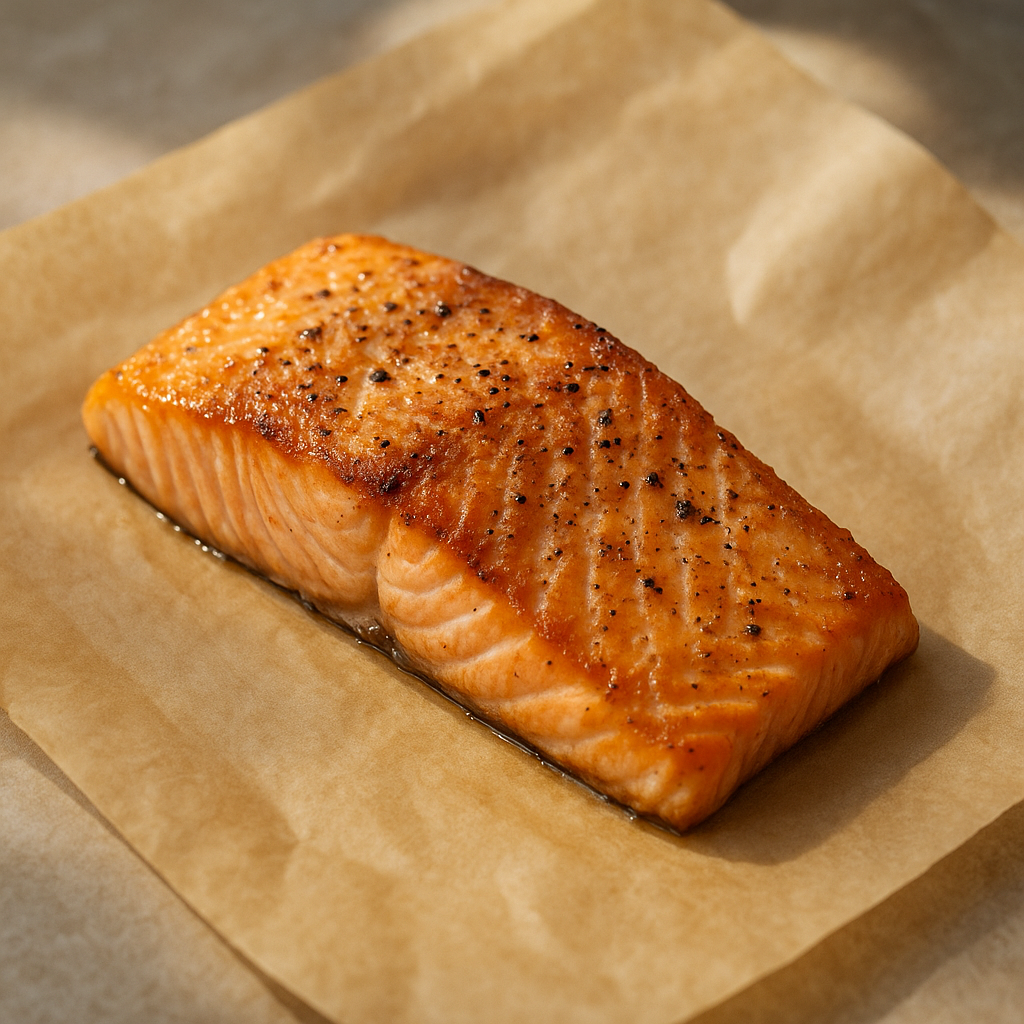
These are fresh salmon fillets, a popular type of oily fish known for its rich flavor and vibrant color. These fillets are typically skin-on, which can contribute to a crispier texture when cooked properly. They are a good source of omega-3 fatty acids, though this is not a health claim. The flesh is a distinct pink to orange hue.
How people cook with it
Salmon fillets are a staple in many kitchens, offering a delicious and satisfying meal option. They pair well with a wide variety of flavors and side dishes.
- Baked with lemon and herbs
- Pan-seared for a crispy skin
- Grilled with vegetables
- Flaked into salads
To prepare salmon fillets, begin by patting them dry with paper towels. This helps achieve a better sear. Season generously with salt and pepper, and any other desired herbs or spices. For pan-searing, heat a tablespoon of oil in a non-stick skillet over medium-high heat. Place the fillets skin-side down and cook for about 4-6 minutes, until the skin is crisp. Flip and cook for another 2-4 minutes, depending on thickness, until cooked through. Baking involves placing seasoned fillets on a baking sheet and cooking in a preheated oven at 400°F (200°C) for 12-15 minutes.
How it differs from similar foods
Compared to other fish, salmon has a firmer texture and a richer, more distinct flavor profile. Its natural oil content also makes it more forgiving to cook, as it is less likely to dry out. The color of salmon is also more pronounced than many white fish varieties.
Who it is for
Home cooks looking for a flavorful and adaptable main course will find these salmon fillets to be a great choice.
How to keep the rest
To keep the remaining salmon fresh, store it in its original packaging or tightly wrapped in plastic wrap in the coldest part of your refrigerator. It is best consumed within one to two days of purchase for optimal quality. Ensure it is kept chilled until ready for preparation.