
Grocery
Hearty Rye Bread Loaf
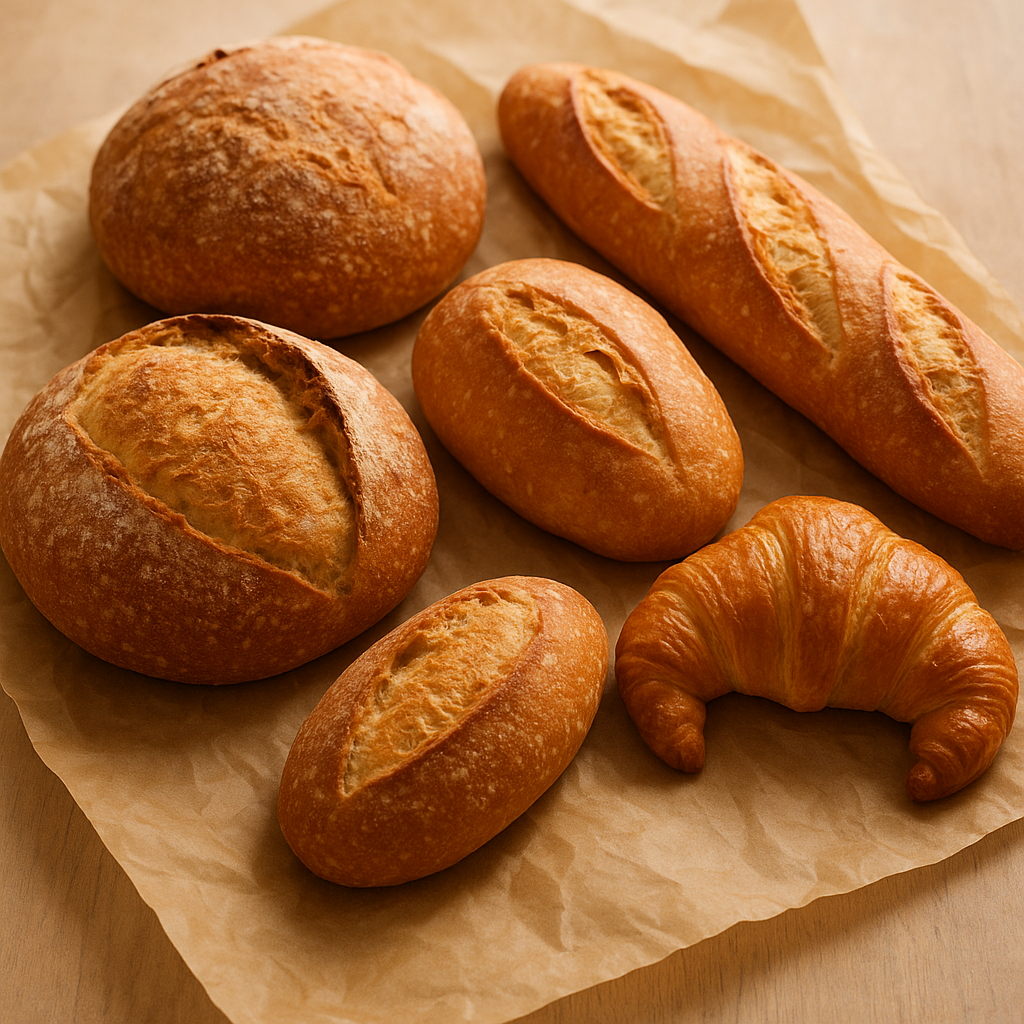
What it is
This is a loaf of rye bread, a type of bread made with a significant portion of rye flour. Rye flour is known for its dense texture and distinctive flavor profile. The bread often has a darker color compared to wheat bread and can range from light rye to pumpernickel, depending on the type of rye flour used and the baking process. It is a staple in many European cuisines and is appreciated for its robust taste and satisfying chew.
How people cook with it
Rye bread is a versatile ingredient that can be enjoyed in many ways, from simple sandwiches to hearty toasts.
- Sandwich base
- Toasted bread
- Soup accompaniment
- Open-faced sandwiches
Rye bread is excellent for making sandwiches, especially with strong flavors like smoked meats, sharp cheeses, or pickled vegetables that complement its earthy taste. It can be sliced and toasted for a crunchy breakfast or snack, often served with butter, jam, or cream cheese. It also pairs wonderfully with hearty soups and stews, providing a substantial base to soak up broths. For a more elaborate meal, consider using it for open-faced sandwiches topped with ingredients like avocado, lox, or roasted vegetables.
How it differs from similar foods
Compared to white wheat bread, rye bread has a denser crumb and a more pronounced, slightly sour flavor due to the rye flour. Its texture is typically chewier, and it browns differently when toasted. The darker varieties of rye bread, like pumpernickel, are even denser and have a sweeter, more complex taste.
Who it is for
This bread is enjoyed by those who appreciate a more robust flavor and texture in their baked goods.
How to keep the rest
To keep the rest of the loaf fresh, store it in a bread box or a cool, dry place at room temperature. For longer storage, wrap it tightly in plastic wrap or place it in a sealed bag before refrigerating or freezing. Ensure it is completely cooled before storing to prevent condensation.