
Grocery
Rose Wine Vinegar
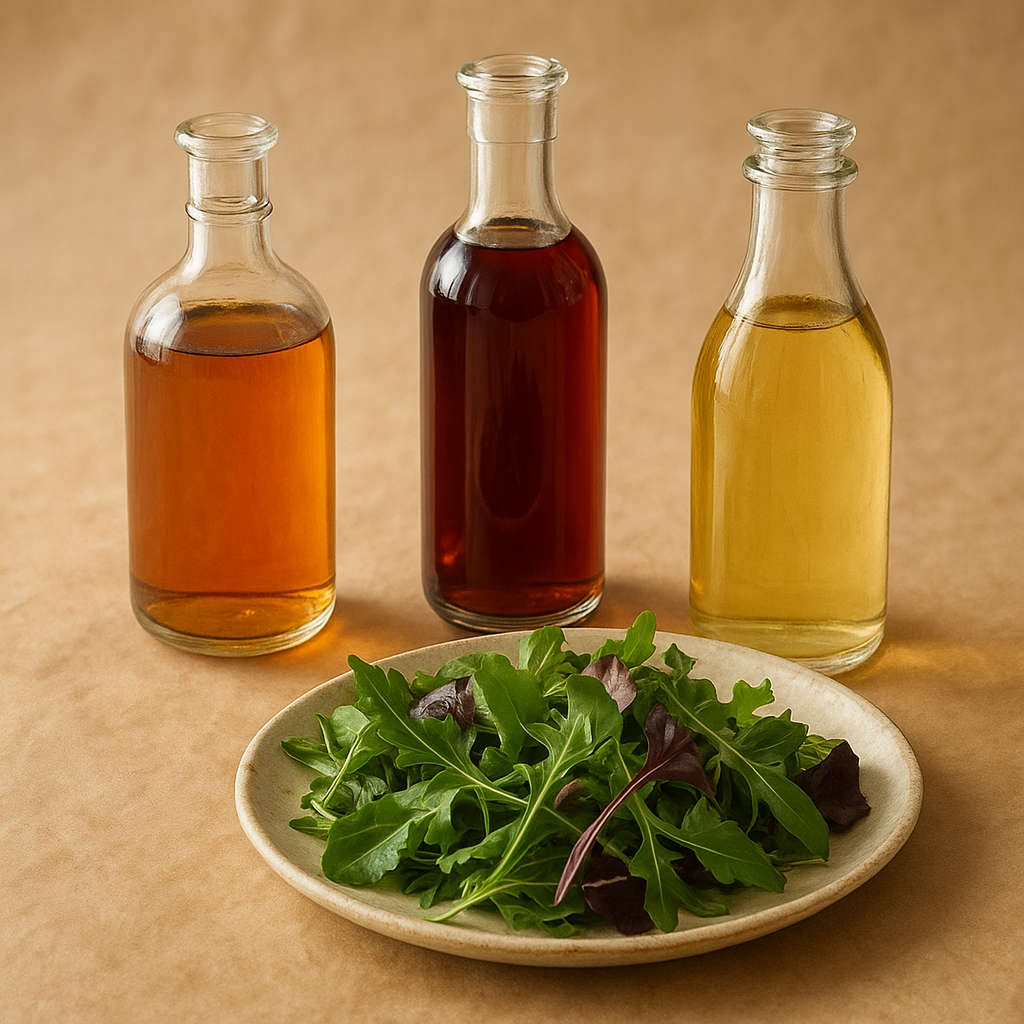
What it is
This is a type of vinegar made from rose wine. Rose wine is a pink-hued wine produced from red grape varieties. The wine undergoes a fermentation process to convert its alcohol into acetic acid, resulting in a vinegar with a distinct flavor profile. It typically has a mild acidity and a subtle fruity aroma, making it a versatile ingredient in the kitchen. Its color comes directly from the rose wine used in its production.
How people cook with it
Rose wine vinegar is a wonderful addition to many dishes. It can brighten flavors and add a touch of complexity.
- Salad dressings
- Marinades
- Sauces
- Deglazing pans
In the kitchen, rose wine vinegar is often used to create light and flavorful vinaigrettes for salads. Its gentle tang complements fresh greens and vegetables without overpowering them. It can also be incorporated into marinades for poultry, fish, or vegetables, tenderizing the ingredients and infusing them with a delicate taste. When deglazing a pan after searing meat or vegetables, a splash of rose wine vinegar can help lift flavorful browned bits from the bottom, forming the base for a quick pan sauce. It can also be used in pickling brines.
How it differs from similar foods
Compared to red wine vinegar, rose wine vinegar generally offers a milder, more delicate acidity. It lacks the robust tannins and deeper color of red wine vinegar, making it a lighter choice for applications where a less assertive flavor is desired. Its fruity notes are also typically more pronounced.
Who it is for
Home cooks and professional chefs alike use rose wine vinegar to add nuanced flavor to their creations.
How to keep the rest
To maintain its quality, store the unopened bottle in a cool, dark place. Once opened, it is best to keep the bottle tightly sealed and store it in a cool pantry or cupboard. Refrigeration is not typically necessary unless specified by the manufacturer, as the acidity helps preserve it.