
Grocery
Rose Water Essence
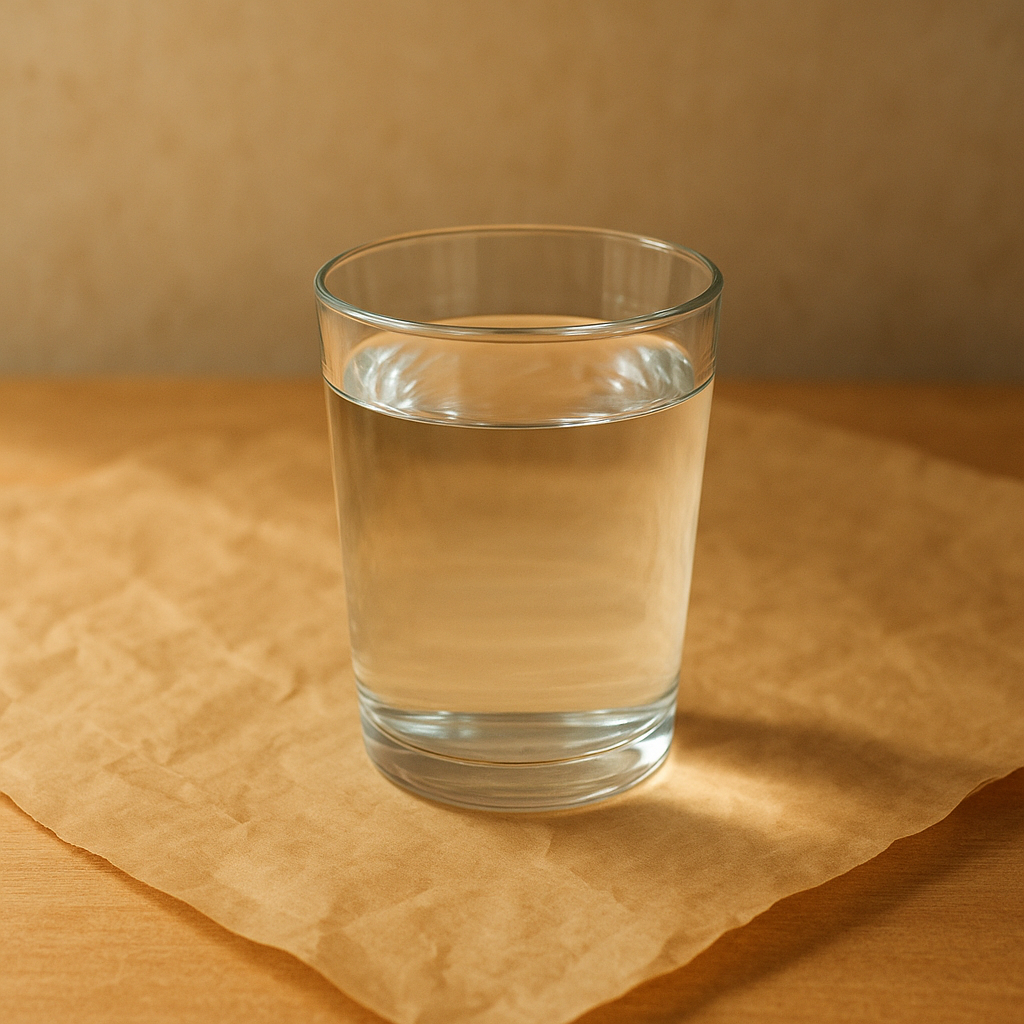
What it is
This is a fragrant liquid distilled from rose petals. It captures the delicate aroma and subtle flavor of roses in a concentrated form. Rose water is a common ingredient in many cuisines and beauty products. It is made by steaming rose petals, and the steam is then condensed to collect the rose water. The process requires careful attention to ensure the purity and quality of the final product. Its versatility makes it a valuable addition to any kitchen.
How people cook with it
Rose water adds a floral note to both sweet and savory dishes. It is also used in beverages and desserts.
- Flavoring desserts
- Enhancing baked goods
- Aromatic drinks
- Savory marinades
Add a small amount of rose water to your recipes to impart a distinct floral fragrance. It works well in cakes, cookies, and pastries, often paired with ingredients like cardamom or pistachios. In beverages, a few drops can elevate simple syrups, teas, or even cocktails. For savory dishes, it can be used sparingly in marinades for lamb or chicken, or in rice pilafs to add an unexpected layer of complexity. Always start with a small quantity, as its flavor can be quite potent and easily overpower other ingredients.
How it differs from similar foods
Unlike rose extract, which is often alcohol-based and more intensely flavored, rose water is a gentler, more delicate essence. Its aroma is lighter and more natural, making it suitable for a wider range of applications where a subtle floral note is desired rather than a strong, perfumed scent.
Who it is for
Home cooks and professional chefs who enjoy adding unique floral notes to their creations.
How to keep the rest
Keep the bottle tightly sealed in a cool, dark place, such as a pantry or cupboard. Refrigeration is not typically necessary but can help preserve its fragrance for longer periods, especially after opening. Ensure the cap is securely fastened to prevent evaporation and contamination.