
Grocery · 460mg
Premium Beef Tenderloin
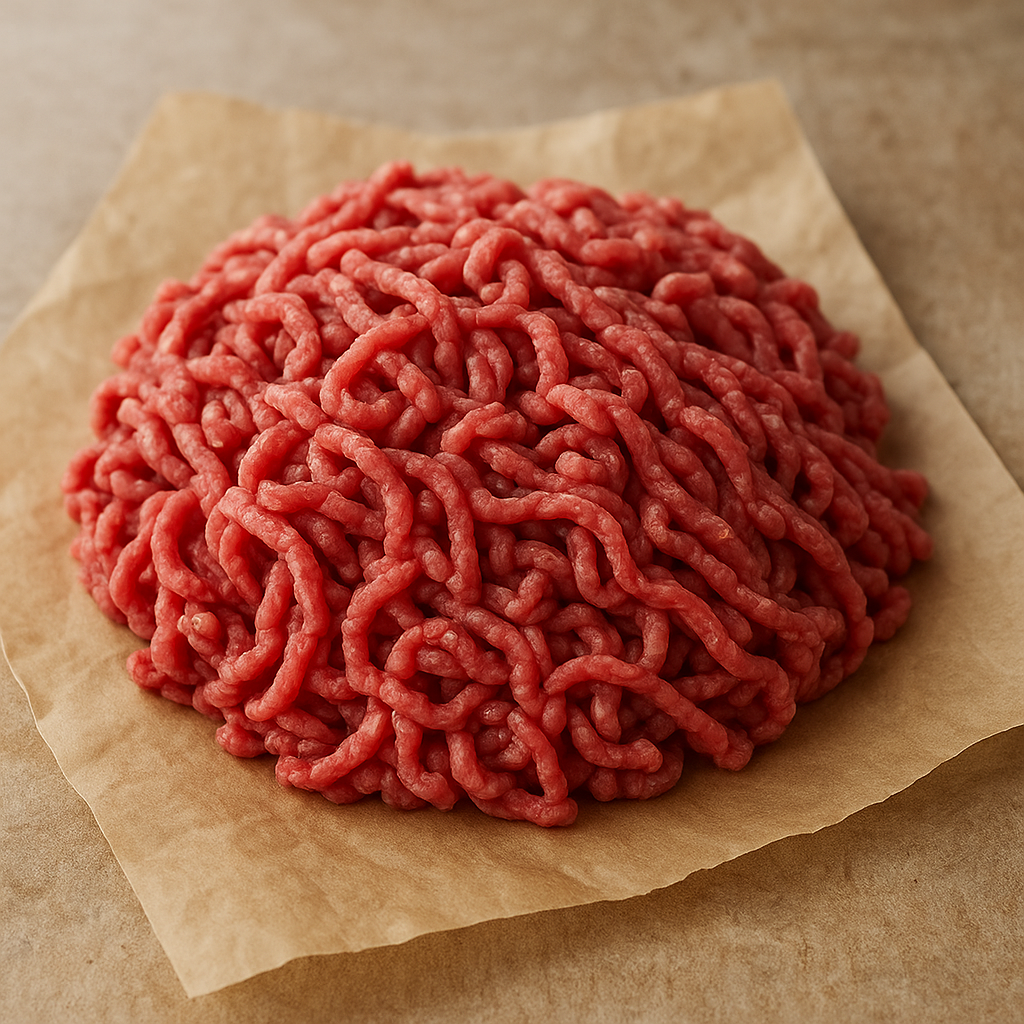
What it is
This is a prime cut of beef, specifically the tenderloin from a cow. It is known for its exceptional tenderness and mild flavor. The muscle is not heavily worked, contributing to its delicate texture. This cut is often considered a luxurious choice for special occasions and fine dining. It is typically sold as a whole roast or as individual steaks.
How people cook with it
Beef tenderloin is a versatile ingredient that can be prepared in many ways, from elegant roasts to quick pan-seared steaks.
- Pan-seared steaks
- Beef Wellington
- Roast tenderloin
- Chateaubriand
When preparing beef tenderloin, it is important to handle it with care to preserve its tenderness. For steaks, a quick sear in a hot pan followed by a brief period in the oven or resting allows the interior to reach the desired doneness without toughening the meat. Roasts benefit from slow, even cooking, often basted with butter or herbs. Allowing the meat to rest after cooking is crucial for juicy results, as it lets the juices redistribute throughout the cut.
How it differs from similar foods
Compared to other beef cuts like sirloin or ribeye, tenderloin is significantly more tender due to its location on the animal. It has a less pronounced beefy flavor than fattier cuts, making it a good base for sauces and seasonings. Its leanness also means it cooks more quickly and requires careful attention to avoid overcooking.
Who it is for
Home cooks and professional chefs seeking a tender and refined beef experience often choose this cut.
How to keep the rest
Refrigerate any unused portions of beef tenderloin promptly. Wrap it tightly in plastic wrap or place it in an airtight container to prevent drying out. It is best used within a few days of purchase. For longer storage, freezing is an option, but thawing should be done slowly in the refrigerator.