
Grocery
Righteous RYE Bread
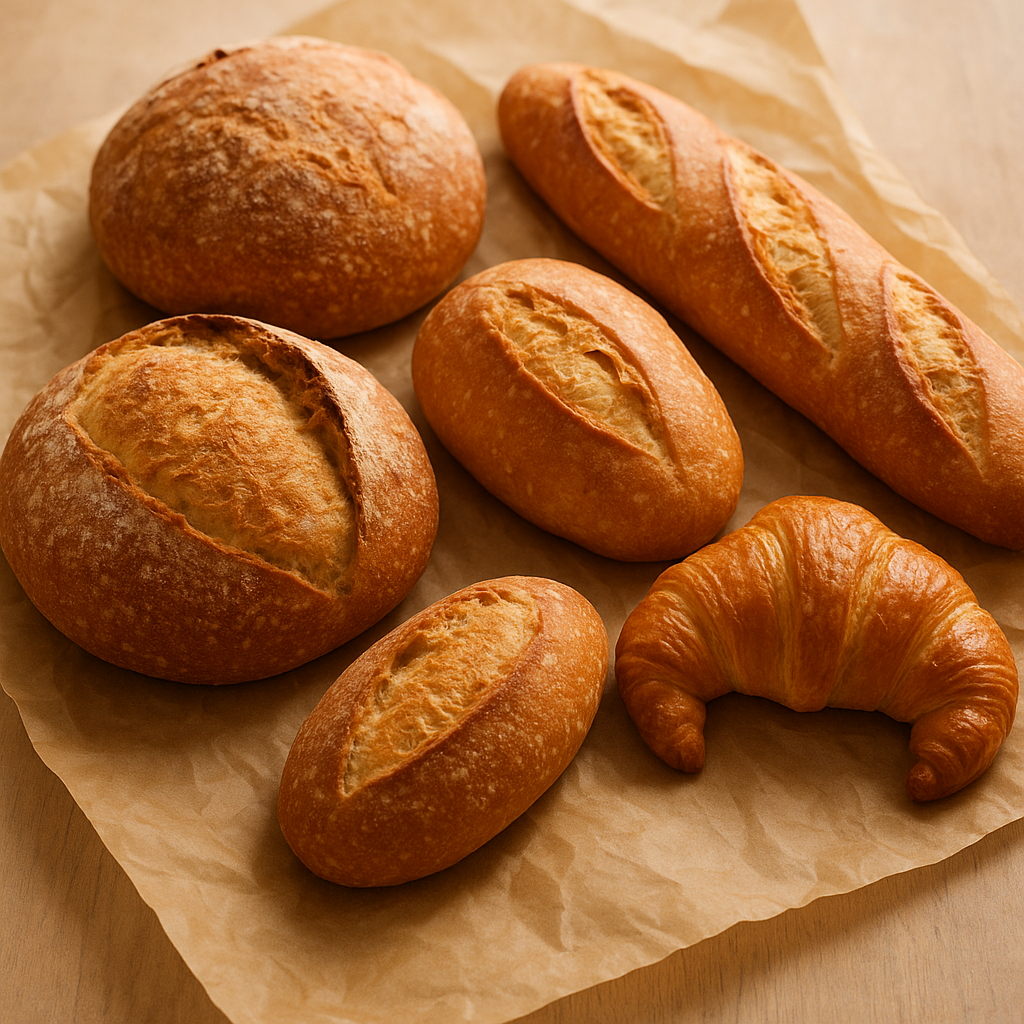
What it is
This is a loaf of hearty rye bread. It has a dense texture and a distinctive, slightly sour flavor that comes from the rye flour. The crust is typically firm, offering a satisfying chew. This bread is often baked in a way that develops its deep color and robust aroma. It is a staple in many cuisines, appreciated for its unique taste profile and satisfying density.
How people cook with it
Rye bread is a versatile ingredient that can be enjoyed in many ways, from simple sandwiches to elaborate appetizers.
- Sandwiches
- Toast
- Croutons
- Breadcrumbs
Slice the loaf to your desired thickness. For sandwiches, it pairs well with strong cheeses, cured meats, and pickled vegetables. Toasting slices brings out its nutty notes and creates a crispier texture, perfect for open-faced sandwiches or as a base for spreads like butter or cream cheese. It can also be cubed and baked to make flavorful croutons for salads and soups, or processed into crumbs for coating or binding.
How it differs from similar foods
Compared to wheat bread, rye bread has a darker color and a more pronounced, tangy flavor due to the rye flour. Its texture is generally denser and less airy than white or whole wheat bread, offering a more substantial bite.
Who it is for
Home cooks and bakers who appreciate traditional bread flavors and textures often choose rye bread for its unique character.
How to keep the rest
To keep the rest of the loaf fresh, store it in a bread box or a paper bag at room temperature. Avoid refrigerating, as this can dry out the bread. For longer storage, you can slice the bread and freeze it in an airtight container or freezer bag.