
Grocery
Rigatoni Pasta
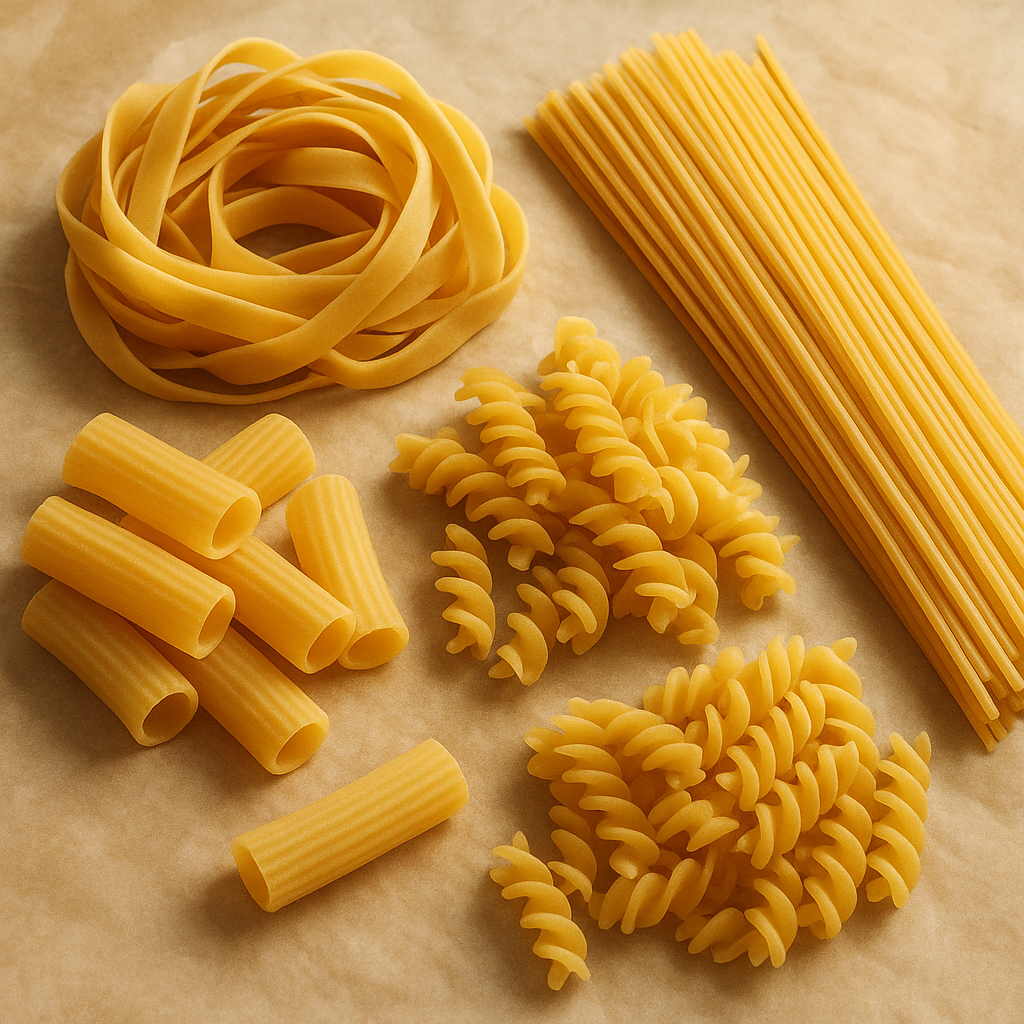
What it is
Rigatoni is a type of large, tube-shaped pasta with ridges on the outside. The name comes from the Italian word 'rigato,' meaning 'ridged.' These ridges are important because they help sauces cling to the pasta, making each bite more flavorful. Rigatoni is a versatile pasta shape that holds up well to hearty sauces and baked dishes. It is made from durum wheat semolina and water, a common combination for dried pasta.
How people cook with it
Rigatoni is a popular choice for many Italian-inspired meals. Its sturdy shape makes it ideal for both simple and complex preparations.
- Baked pasta dishes
- Hearty meat sauces
- Creamy cheese sauces
- Vegetable-based sauces
To prepare rigatoni, bring a large pot of salted water to a rolling boil. Add the rigatoni and stir occasionally to prevent sticking. Cook according to package directions until al dente, which means it should be tender but still have a slight bite. Drain the pasta well, reserving some of the cooking water. Toss the drained rigatoni with your chosen sauce immediately, adding a little of the reserved pasta water if needed to achieve the desired consistency. The pasta's shape allows it to capture and hold generous amounts of sauce.
How it differs from similar foods
Compared to smoother pasta shapes like penne or ziti, rigatoni's prominent ridges offer a superior surface area for sauce adhesion. This makes it particularly well-suited for thicker, chunkier sauces that might slide off less textured pasta. Its larger diameter also means it cooks a bit differently than smaller tubes.
Who it is for
Home cooks looking for a satisfying pasta shape that pairs well with robust flavors will enjoy using rigatoni.
How to keep the rest
Store uncooked rigatoni in a cool, dry place in its original packaging or an airtight container. Once cooked, refrigerate any leftovers promptly in a sealed container. It is best consumed within a few days of cooking.