
Grocery
Rigatoni Pasta
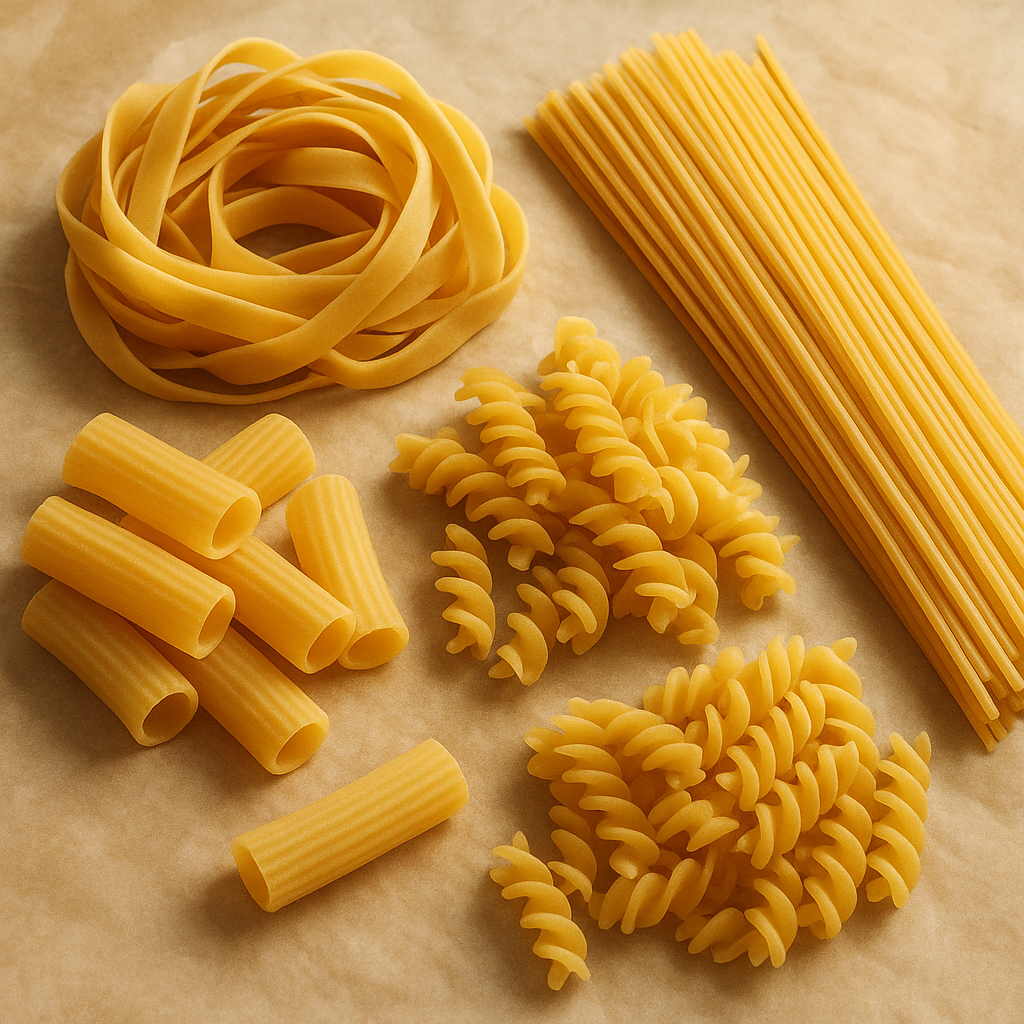
What it is
Rigatoni is a type of tube-shaped pasta that is larger than penne and ziti. It is characterized by its ridges, which run lengthwise along the pasta. These ridges are excellent for holding onto sauces, making it a popular choice for hearty dishes. The pasta is typically made from durum wheat semolina and water, resulting in a firm texture when cooked al dente. It is a staple in many Italian cuisines.
How people cook with it
Rigatoni is a versatile pasta shape that works well with a variety of sauces and baked dishes.
- Baked pasta dishes
- Hearty meat sauces
- Creamy cheese sauces
- Vegetable-based sauces
To cook rigatoni, bring a large pot of generously salted water to a rolling boil. Add the rigatoni and stir occasionally to prevent sticking. Cook according to package directions until al dente, which means the pasta is tender but still has a slight bite. Drain the pasta, reserving some of the cooking water. The rigatoni can then be tossed with your favorite sauce, added to soups, or used in baked casseroles. The hollow shape and ridges are ideal for capturing and distributing sauces evenly.
How it differs from similar foods
Rigatoni differs from penne and ziti primarily in its size and the presence of ridges. Its larger diameter and deep ridges make it particularly adept at holding thicker, chunkier sauces compared to smoother, smaller pasta shapes. The ends of rigatoni are cut straight, unlike the diagonally cut ends of penne.
Who it is for
Home cooks preparing family meals and Italian-inspired dishes will find this pasta useful.
How to keep the rest
Store uncooked rigatoni in a cool, dry place in its original packaging or an airtight container. Properly stored, it can maintain its quality for an extended period. Avoid exposure to moisture or direct sunlight to prevent spoilage and maintain texture.