
Grocery
Beef Ribeye Steak
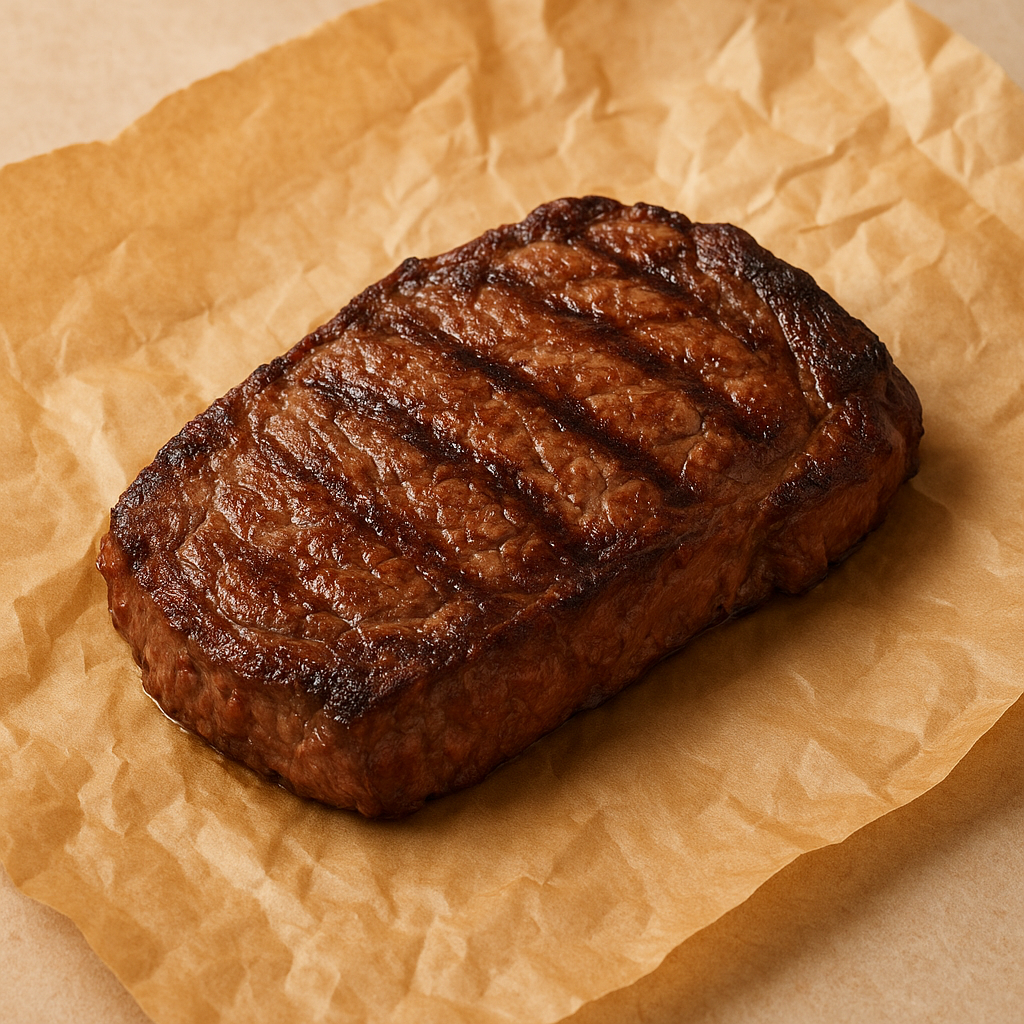
What it is
This is a premium cut of beef, known for its rich marbling and tender texture. The marbling, which is the intramuscular fat, melts during cooking, adding moisture and flavor to the steak. It is typically cut from the rib section of the cow, between the chuck and the loin. The bone is often left in, contributing to the flavor and juiciness during the cooking process. This steak is a popular choice for grilling and pan-searing.
How people cook with it
Ribeye steak is a versatile cut that can be prepared in several ways to highlight its natural flavors.
- Grilled for a smoky char
- Pan-seared for a crust
- Broiled for even cooking
- Roasted for a larger cut
For best results, let the steak come to room temperature for about 30 minutes before cooking. Season generously with salt and pepper. For pan-searing, heat a heavy-bottomed skillet over medium-high heat with a little oil. Sear the steak for a few minutes on each side until a nice crust forms. You can then reduce the heat or transfer it to an oven to finish cooking to your desired doneness. Resting the steak after cooking is crucial for allowing the juices to redistribute, ensuring a more tender and flavorful result.
How it differs from similar foods
Compared to leaner cuts like sirloin, ribeye has a higher fat content due to its marbling. This fat contributes to its exceptional tenderness and rich, buttery flavor. While other steaks might require more careful cooking to avoid drying out, the marbling in ribeye provides a natural buffer, making it more forgiving.
Who it is for
Home cooks and grill enthusiasts who appreciate a flavorful and tender beef cut.
How to keep the rest
To store uncooked ribeye steak, wrap it tightly in plastic wrap or place it in an airtight container. Keep it in the coldest part of your refrigerator. It is best to cook it within 2 to 3 days of purchase. For longer storage, you can freeze it, ensuring it is well-wrapped to prevent freezer burn.