
Grocery
Red Wine Vinegar
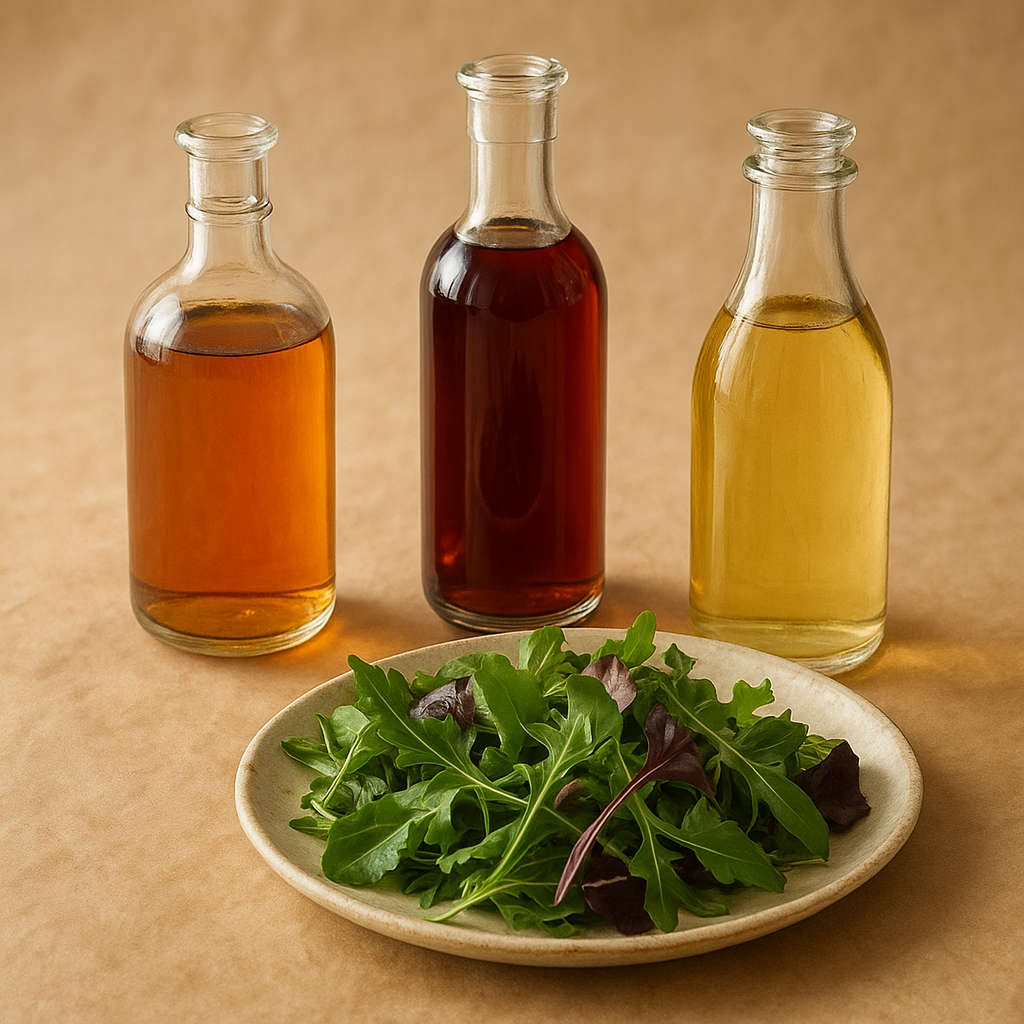
What it is
This is a type of vinegar made from red wine. It is produced through a fermentation process that converts the alcohol in red wine into acetic acid. This process gives the vinegar its characteristic sharp, tangy flavor and deep red color. It is a common ingredient in kitchens around the world, valued for its versatility and distinct taste profile. The quality can vary based on the wine used and the aging process.
How people cook with it
Red wine vinegar is a staple for adding brightness and depth to a wide range of dishes. Its acidic nature makes it excellent for balancing rich flavors and tenderizing ingredients.
- Marinades for meats
- Vinaigrettes for salads
- Deglazing pans
- Pickling vegetables
It can be used in salad dressings, often paired with olive oil and seasonings, to create a classic vinaigrette. It is also a key component in marinades for beef, lamb, and pork, helping to tenderize the meat and infuse it with flavor. In cooking, it can be used to deglaze pans after searing meats, lifting browned bits from the bottom to create a flavorful sauce. It also adds a pleasant tang to braised dishes and stews, cutting through richness. Small amounts can be used in sauces and reductions for a complex flavor.
How it differs from similar foods
Compared to white wine vinegar, red wine vinegar has a more robust flavor and a deeper color. Its taste is generally sharper and more complex due to the tannins and compounds present in red wine. Apple cider vinegar, another common option, offers a fruitier and milder tang, while balsamic vinegar is sweeter and syrupy.
Who it is for
Home cooks and professional chefs utilize red wine vinegar for its distinctive flavor and culinary applications.
How to keep the rest
To maintain its quality, store unopened bottles in a cool, dark pantry. Once opened, it should be tightly capped and can be kept at room temperature or refrigerated. Refrigeration can help preserve its flavor for longer periods, especially if stored in a warm or brightly lit environment.