
Grocery
Raw Spanish Peanuts
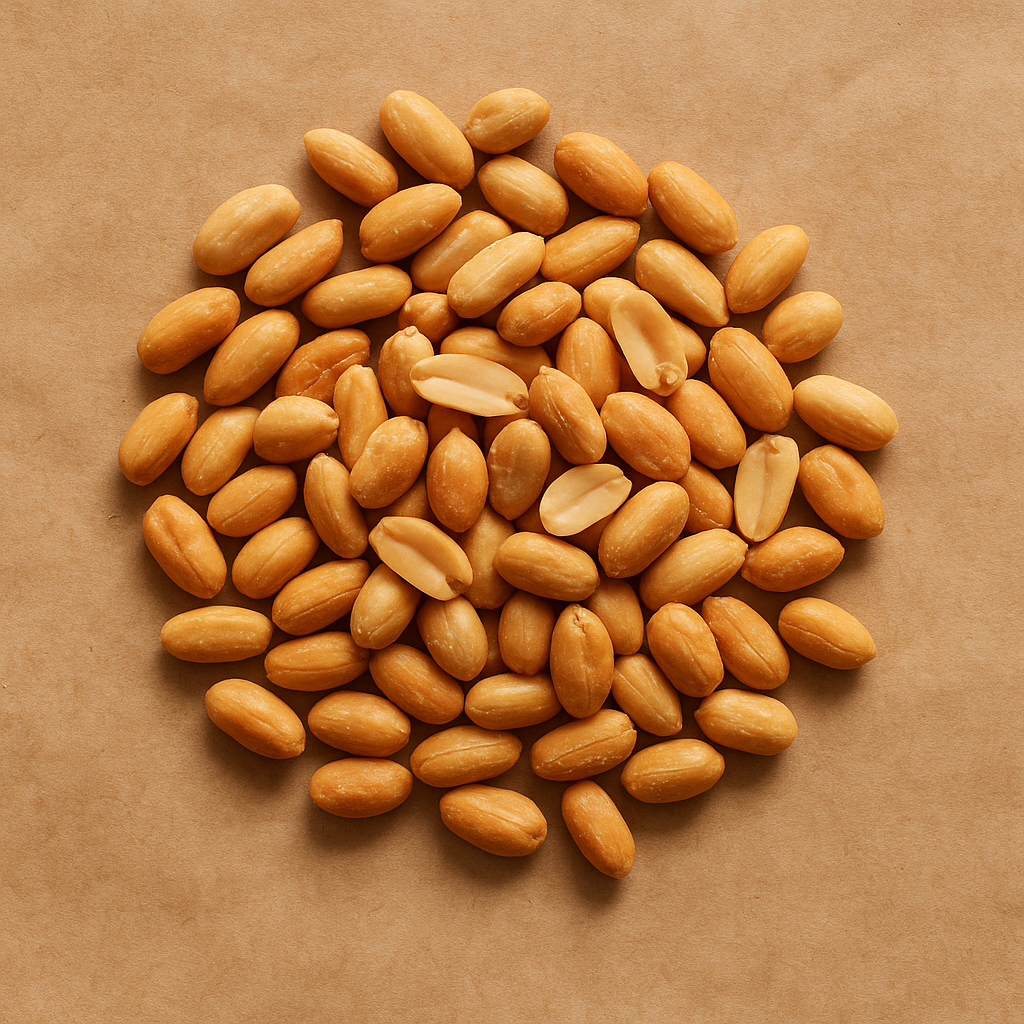
What it is
These are raw peanuts, specifically the Spanish variety. They are known for their distinct flavor and often have a reddish-brown skin. Unlike roasted peanuts, these have not undergone any heat treatment, preserving their natural state. They are a common snack and ingredient in various cuisines. Their texture is firm and they have a mild, earthy taste before any cooking or seasoning is applied. They are a simple, whole food product.
How people cook with it
Raw Spanish peanuts can be enjoyed in many ways, from simple snacking to being a key component in savory dishes. Their versatility makes them a pantry staple for many home cooks.
- Snack on them raw
- Roast them yourself
- Add to stir-fries
- Grind into peanut butter
To prepare raw Spanish peanuts, you can first roast them in your oven or on the stovetop to bring out their full flavor and achieve a satisfying crunch. Spread them in a single layer on a baking sheet and roast at a moderate temperature until golden brown, stirring occasionally. Alternatively, they can be boiled or blanched for certain recipes, which softens them and makes them easier to digest for some. They can also be ground into homemade peanut butter or used as a topping for salads and desserts.
How it differs from similar foods
Spanish peanuts differ from other peanut varieties, such as Virginia or Runner peanuts, in their size and skin. They are typically smaller and have a thinner, more easily removed reddish-brown skin. This skin can impart a slightly different flavor profile when roasted compared to peanuts with lighter skins.
Who it is for
Home cooks looking for a versatile legume for snacking and cooking will find these useful.
How to keep the rest
Store any remaining raw Spanish peanuts in an airtight container in a cool, dry place. For longer storage, they can be kept in the refrigerator to maintain freshness and prevent them from becoming rancid. Ensure they are completely dry before sealing the container.