
Grocery
Raw Sliced Almonds
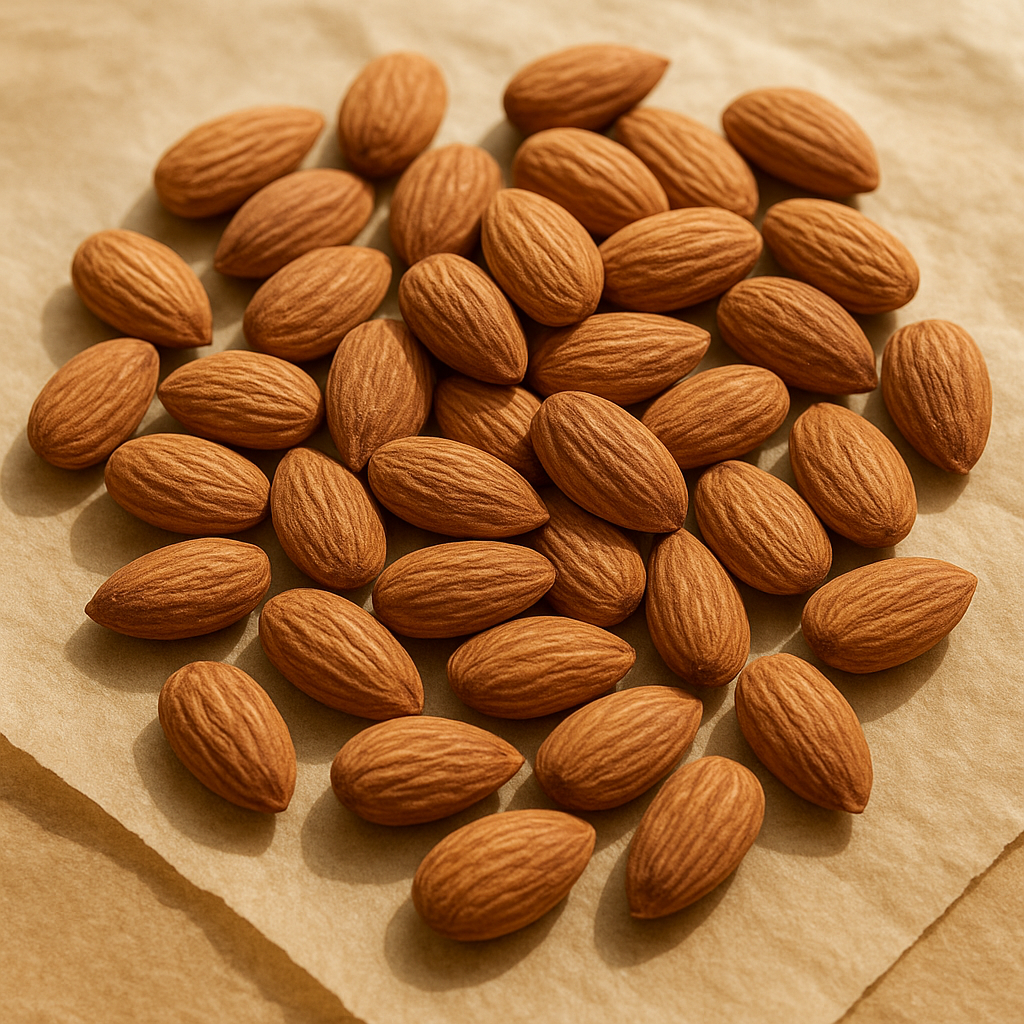
What it is
These are whole almonds that have been blanched to remove their skins, then carefully sliced into thin, uniform pieces. This preparation makes them delicate and ready for immediate use in a variety of culinary applications. The slicing process exposes more of the almond's surface area, which can affect how they toast and absorb flavors. They retain their natural, mild almond taste and a pleasant, slightly crisp texture before cooking.
How people cook with it
Sliced almonds are a versatile ingredient, adding texture and flavor to both sweet and savory dishes. They are a popular choice for garnishes and as a textural element in baked goods.
- Toasted as a topping
- Mixed into granola
- Garnished on salads
- Folded into cookie dough
Sliced almonds are often lightly toasted to enhance their nutty flavor and crispness. This can be done in a dry skillet over medium-low heat, stirring frequently to prevent burning, or spread on a baking sheet and toasted in a moderate oven. They can also be added directly to batters, doughs, or sprinkled over dishes just before serving. Their thinness means they cook quickly, so watch them closely during toasting. They are also delicious eaten raw straight from the bag as a simple snack.
How it differs from similar foods
Compared to whole or slivered almonds, sliced almonds offer a more delicate texture and a larger surface area for browning. This makes them ideal for applications where a subtle crunch is desired, rather than a pronounced bite. Their uniform shape also contributes to a more even distribution in baked goods and as a garnish.
Who it is for
Home bakers and cooks who enjoy adding a nutty crunch and visual appeal to their creations will find these useful.
How to keep the rest
To maintain freshness, store any unused sliced almonds in an airtight container in a cool, dry place. For longer storage, they can be kept in the refrigerator or freezer to prevent them from becoming rancid. Ensure the container is well-sealed to protect them from moisture and odors.