
Heinen's · 5 oz
Heinen's Raw Pine Nuts
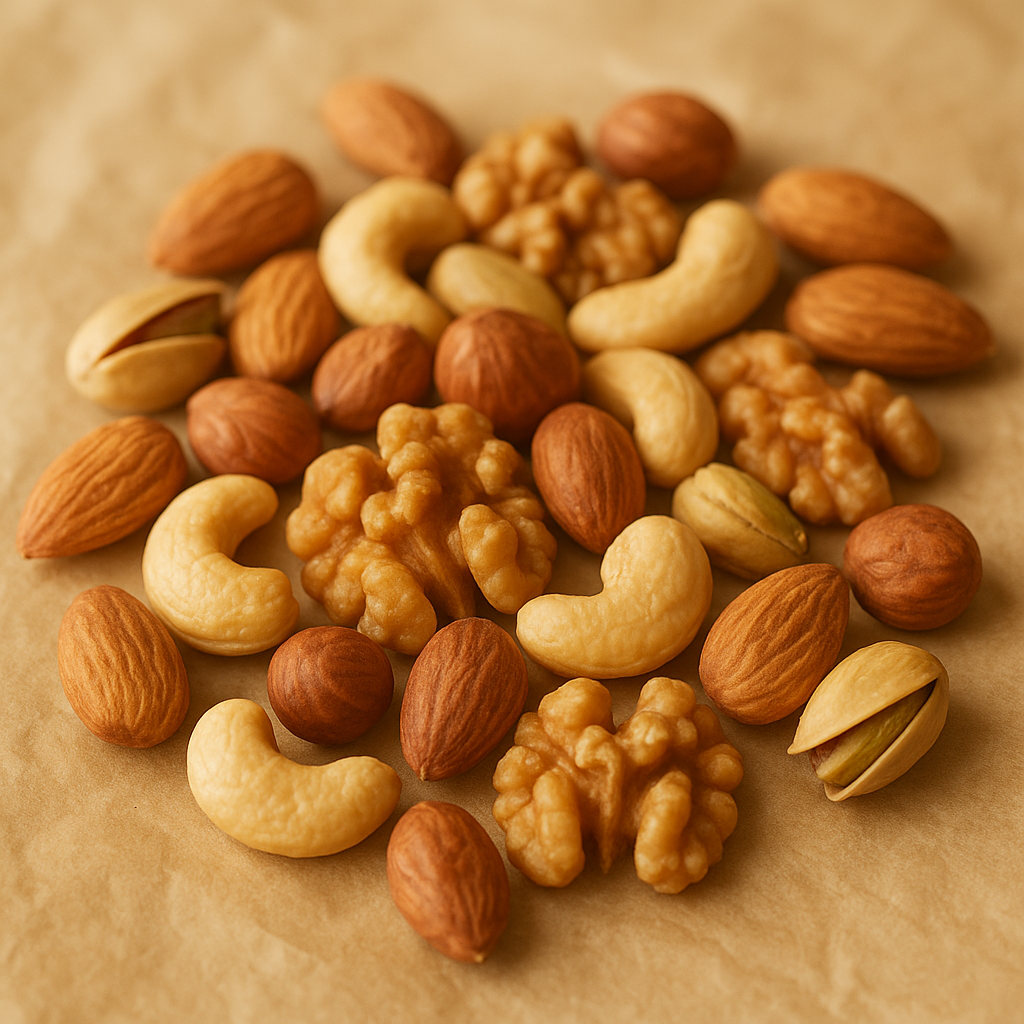
What it is
These are the edible seeds of pine trees, harvested from their cones. They are small, teardrop-shaped, and have a delicate, buttery flavor with a slightly resinous undertone. Raw pine nuts are often used in various culinary applications, providing a unique texture and taste to dishes. They are a popular ingredient in Mediterranean and Middle Eastern cuisines, valued for their subtle yet distinct flavor profile and their ability to enhance both sweet and savory preparations.
How people cook with it
Pine nuts add a delightful crunch and richness to a wide range of recipes.
- Toasted for pesto
- Added to salads
- Mixed into grain dishes
- Garnished on desserts
Pine nuts can be used raw, but toasting them significantly enhances their flavor and aroma. Spread them in a single layer on a dry skillet over medium-low heat and stir frequently until they turn lightly golden and fragrant, which usually takes only a few minutes. Be careful, as they can burn quickly. Once toasted, they can be incorporated into sauces, sprinkled over roasted vegetables, stirred into pasta dishes, or used as a topping for pizzas and breads. They also pair well with fruits and cheeses.
How it differs from similar foods
Compared to other nuts like almonds or walnuts, pine nuts have a softer texture and a more delicate, less assertive flavor. Their subtle sweetness and buttery quality make them a versatile ingredient that complements rather than overpowers other tastes. They are also generally smaller in size than most common nuts.
Who it is for
Home cooks and professional chefs often use pine nuts to add a refined touch to their dishes.
How to keep the rest
To maintain freshness, store any unused raw pine nuts in an airtight container in a cool, dark place, such as a pantry. For longer storage, they can be kept in the refrigerator or freezer, which helps to prevent them from becoming rancid due to their natural oil content.