
Grocery
Raw Almonds
What it is
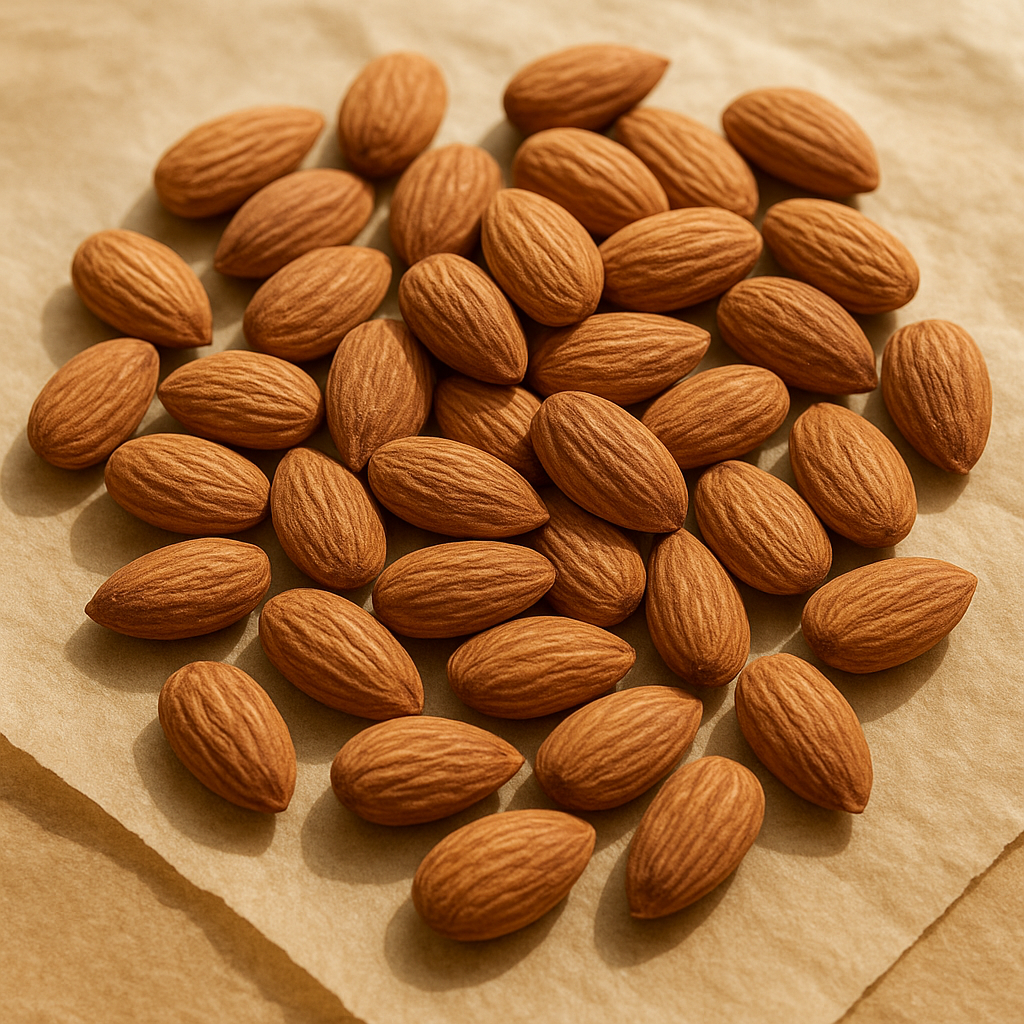
These are whole, unroasted almonds in their natural state. They have not been subjected to any heat treatment or added flavorings. Almonds are tree nuts, known for their firm texture and mild, slightly sweet flavor. They are a versatile ingredient, often used in both sweet and savory dishes, or enjoyed on their own. Their natural oils contribute to their richness and mouthfeel. The outer skin of the almond is also present, giving them a slightly more rustic appearance.
How people cook with it
Raw almonds are a pantry staple for many home cooks. They can be used in a wide variety of culinary applications.
- Snack on them directly
- Add to baked goods
- Incorporate into trail mixes
- Blend into sauces
You can enjoy raw almonds as a simple, satisfying snack. For cooking, they can be chopped or slivered and added to baked goods like muffins, cookies, and breads for added texture and flavor. They are also a common component of homemade trail mixes, often combined with dried fruits and seeds. Almonds can be blended into creamy sauces, dressings, or even plant-based milk alternatives. Toasting them in a dry pan or oven can enhance their nutty flavor and crispness, though they are perfectly usable in their raw form.
How it differs from similar foods
Unlike roasted almonds, raw almonds retain their original moisture content and a softer texture. Roasting brings out a deeper, more pronounced nutty flavor and a crunchier consistency. Raw almonds offer a milder taste and a more yielding bite, making them ideal for applications where a less intense nut flavor is desired or when they will be further processed.
Who it is for
Home cooks looking for a versatile, unprocessed nut for snacking and cooking will find these useful.
How to keep the rest
To maintain freshness, store raw almonds in an airtight container in a cool, dry place. For longer storage, they can be kept in the refrigerator or freezer to prevent them from going rancid. Ensure they are protected from moisture and strong odors.