
Full circle
Full Circle Raw Almonds
What it is
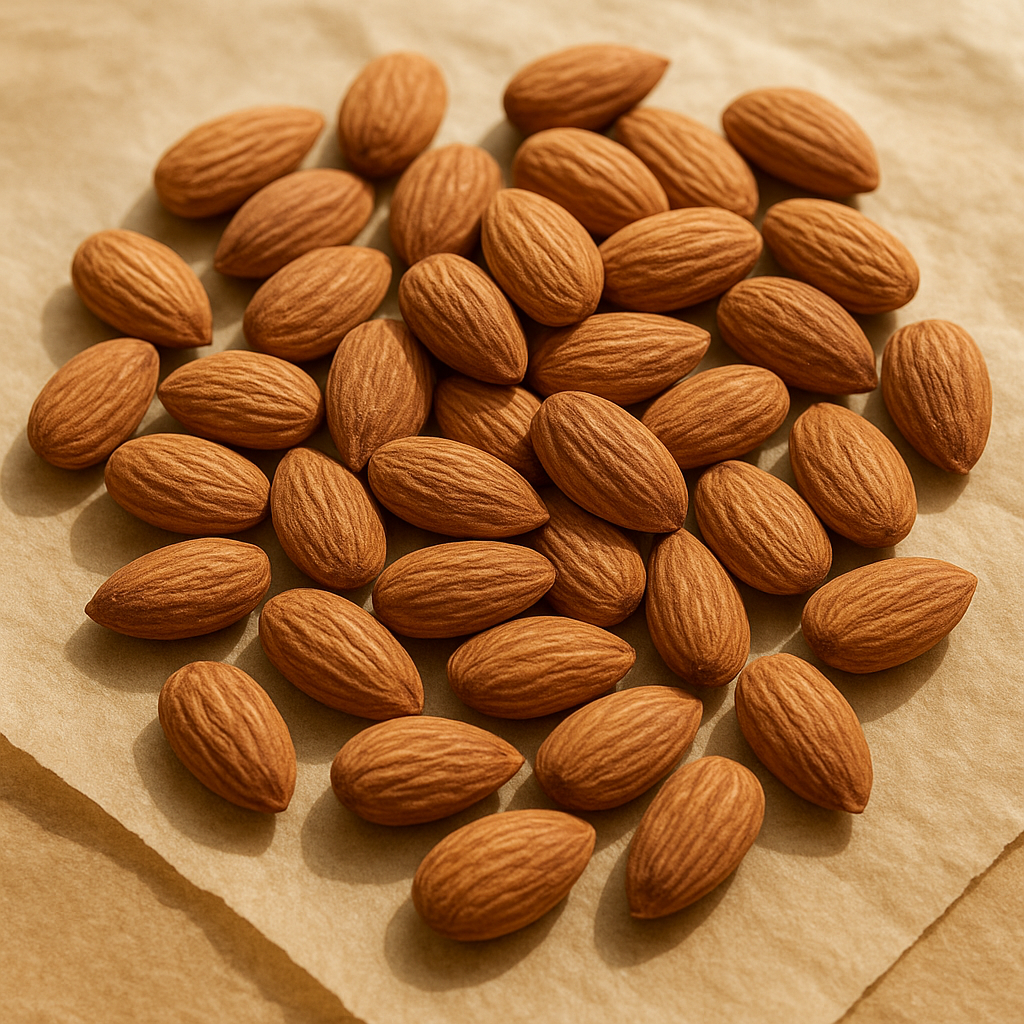
These are whole, unsalted almonds in their natural state. They have not undergone any roasting or flavoring processes. Almonds are a type of tree nut, known for their firm texture and mild, slightly sweet flavor. They are a versatile ingredient that can be used in both sweet and savory dishes. The raw form allows for maximum flexibility in how they are prepared and incorporated into various culinary creations. They are a good source of healthy fats and have a satisfying crunch.
How people cook with it
Raw almonds are a foundational ingredient for many kitchen endeavors. They can be enjoyed as a snack or transformed into other food products.
- Snacking
- Baking ingredient
- Almond butter base
- Salad topping
Toasted raw almonds offer a deeper flavor and crispier texture. Spread them in a single layer on a baking sheet and roast in a preheated oven at around 350°F (175°C) for 8-12 minutes, watching carefully to prevent burning. They can also be soaked to soften them for easier blending into almond milk or butter. Chop them finely for adding to baked goods like cookies and muffins, or leave them whole for garnishes. Their natural oils are released when processed, creating rich textures.
How it differs from similar foods
Unlike roasted almonds, raw almonds retain their natural moisture and a milder flavor profile. Roasting concentrates their taste and adds a toasted aroma. Raw almonds are also softer and less brittle than their roasted counterparts, making them ideal for blending into smooth pastes or milks.
Who it is for
Home cooks and bakers looking for an unprocessed nut for various recipes.
How to keep the rest
Store any remaining raw almonds in an airtight container in a cool, dark place, such as a pantry. For longer storage, they can be kept in the refrigerator or freezer to maintain freshness and prevent them from going rancid. Ensure they are sealed well to protect from moisture and odors.