
Grocery
Raw Almonds
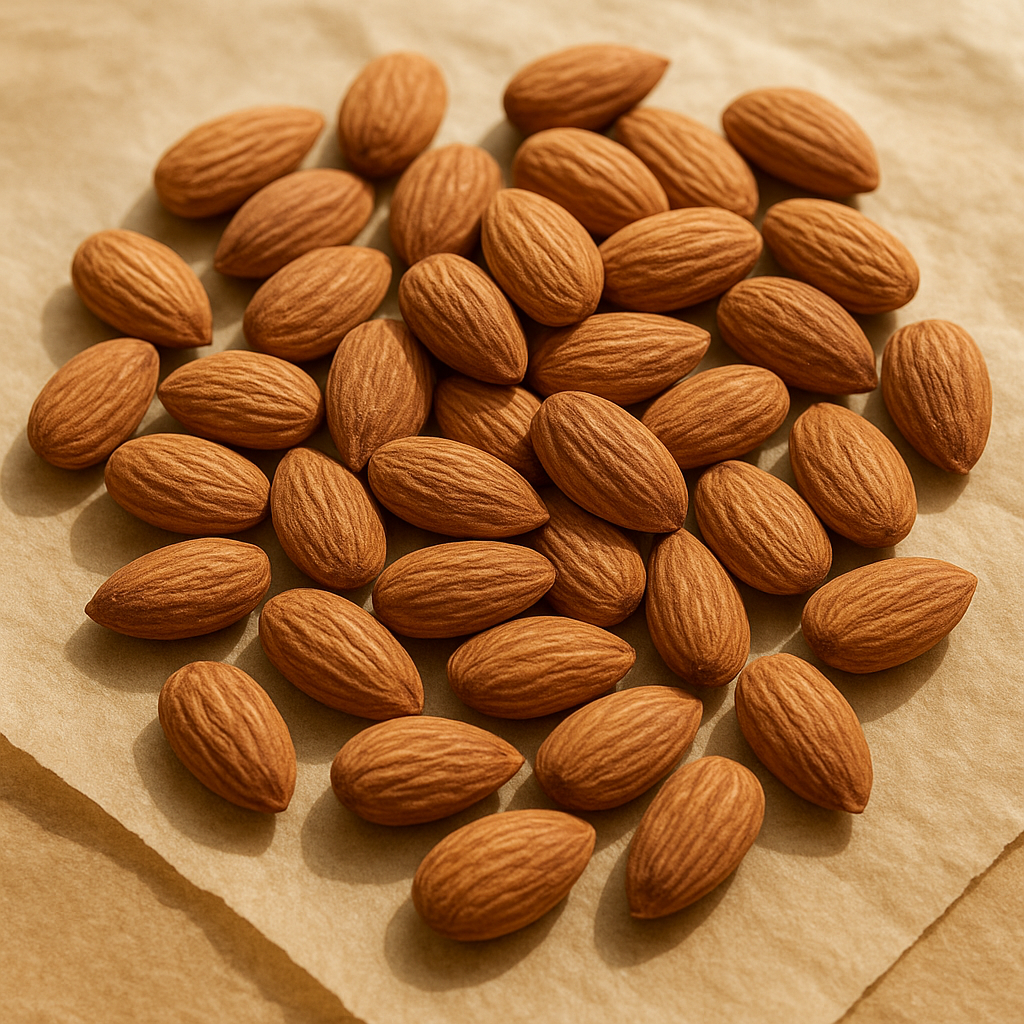
What it is
These are whole, unprocessed almonds in their natural state. They have not been roasted, salted, or flavored in any way. Almonds are a type of tree nut, known for their satisfying crunch and mild, slightly sweet flavor. They retain all their natural oils and nutrients as they come directly from the almond orchard. This makes them a versatile ingredient for both sweet and savory dishes, or simply a convenient snack.
How people cook with it
Raw almonds can be enjoyed as they are or incorporated into a wide variety of culinary creations.
- Snack on them directly
- Add to baked goods
- Blend into sauces
- Garnish salads
You can eat raw almonds straight from the bag for a quick and filling snack. For baking, they can be chopped and added to cookies, muffins, or bread for texture and flavor. They also blend beautifully into creamy sauces or dressings, adding a subtle nutty richness. Toasted raw almonds, achieved by a brief period in a dry pan or oven, develop a deeper flavor and crispier texture. They are also a popular addition to granola and trail mix, offering a satisfying bite.
How it differs from similar foods
Unlike roasted almonds, raw almonds have a softer texture and a more delicate, milky flavor. Roasting brings out a deeper, nuttier taste and a pronounced crunch. Salted varieties offer a savory element, while flavored almonds provide distinct taste profiles not present in their raw form.
Who it is for
Home cooks and snackers who prefer unprocessed ingredients will appreciate raw almonds.
How to keep the rest
To maintain freshness, store any remaining raw almonds in an airtight container in a cool, dark place, such as a pantry. For longer storage, they can be kept in the refrigerator or freezer to prevent them from becoming rancid, especially in warmer climates.