
Grocery
Parmesan Cheese
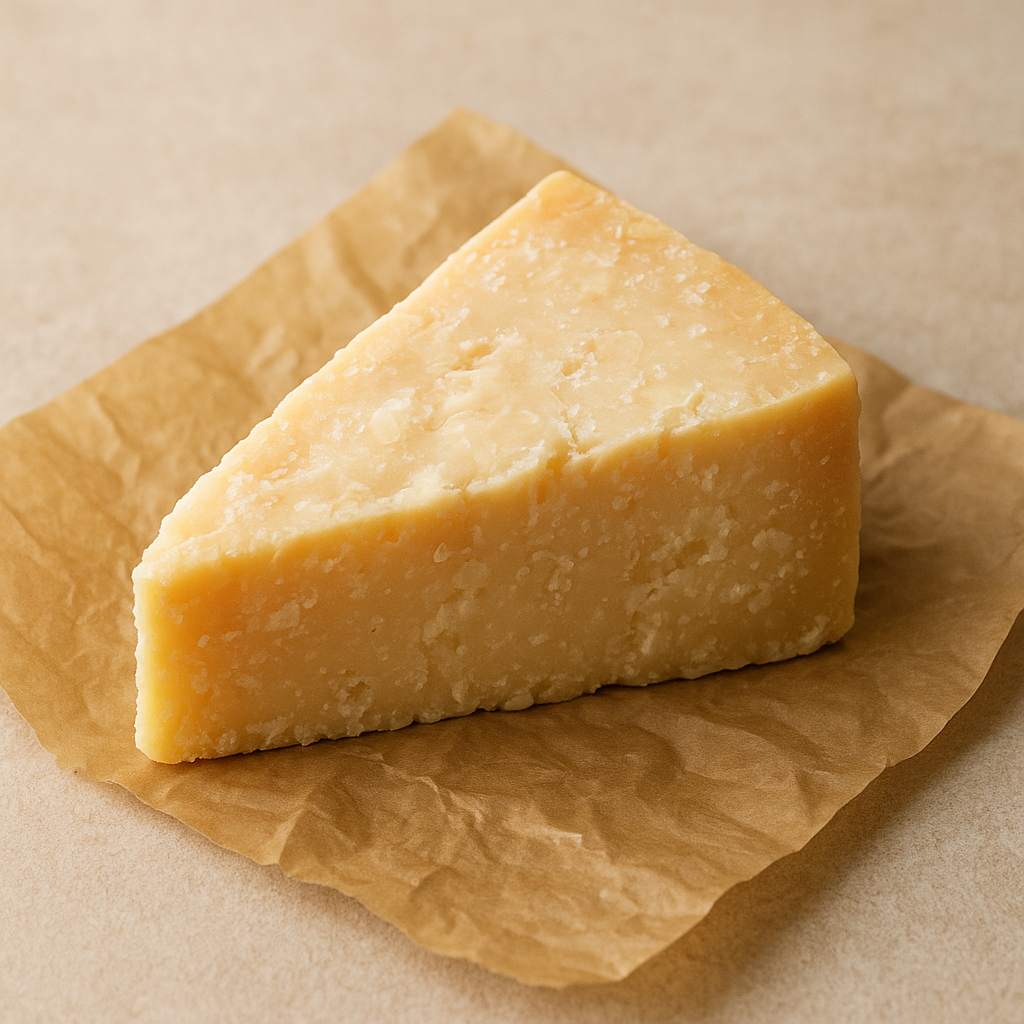
What it is
Parmesan cheese is a hard, granular cheese made from cow's milk. It is aged for a minimum of 12 months, and often much longer, which develops its distinctive sharp, nutty, and savory flavor. The texture becomes drier and more crumbly with age. It is a staple in many cuisines, particularly Italian cooking, where its intense flavor adds depth to a wide range of dishes. The cheese is often sold in wedges or pre-grated for convenience.
How people cook with it
This cheese is incredibly versatile in the kitchen. Its bold flavor makes it a perfect finishing touch or a foundational element in many recipes.
- Grated over pasta dishes
- Added to soups and stews
- Baked into gratins
- Shaved onto salads
When cooking, parmesan cheese can be finely grated for sauces, dressings, or to be mixed into doughs for added flavor. For a more pronounced taste and texture, it can be coarsely grated or shaved over finished dishes. It melts well, making it suitable for baked goods and gratins. Its hard texture means it is often used as a flavor enhancer rather than a primary melting cheese. The rind can also be simmered in broths or sauces to impart a deep, savory essence, then removed before serving.
How it differs from similar foods
Compared to softer cheeses, parmesan is much harder and drier due to its extended aging process. This results in a more concentrated flavor profile, characterized by its salty, umami notes, unlike the milder, creamier taste of cheeses like mozzarella or cheddar. Its granular texture also sets it apart.
Who it is for
Home cooks and professional chefs alike appreciate its intense flavor and culinary flexibility.
How to keep the rest
To maintain its freshness, wrap any leftover parmesan cheese tightly in parchment paper or plastic wrap. Store it in the refrigerator. It should be kept in the warmest part of your fridge, typically the vegetable crisper drawer, to prevent it from drying out too quickly. Properly stored, it can last for several weeks.