
H-E-B
Mild and Crumbly Queso Fresco
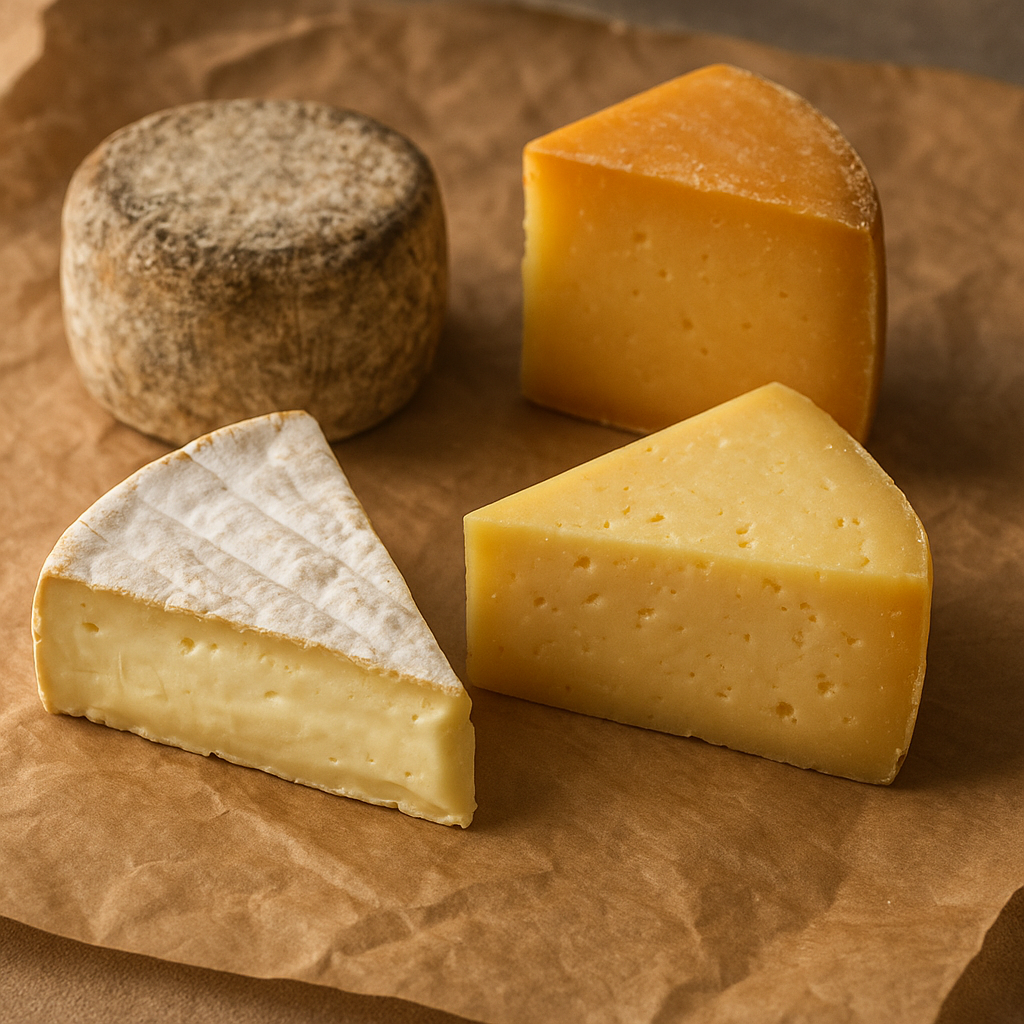
What it is
Queso fresco is a fresh, unaged cheese originating from Mexico. It is known for its soft, slightly crumbly texture and mild, milky flavor. Unlike aged cheeses, queso fresco does not melt well, retaining its shape when heated. It is typically made from cow's milk, though sometimes a blend of cow and goat milk is used. Its delicate taste makes it a versatile ingredient that complements many dishes without overpowering them. It is a staple in many Latin American cuisines.
How people cook with it
This cheese is often used as a topping or filling in a variety of savory dishes.
- Sprinkled over enchiladas
- Crumbled into tacos
- Mixed into refried beans
- Topped on salads
Queso fresco is best used as a finishing cheese. Its crumbly nature makes it ideal for sprinkling over hot dishes just before serving, allowing the warmth to soften it slightly without causing it to melt into a sauce. It can also be incorporated into cold dishes, such as salads or dips, where its texture provides a pleasant contrast. When making fillings for empanadas or tamales, it can be mixed with other ingredients to add a creamy, mild cheese element. It is also commonly used to garnish soups and stews.
How it differs from similar foods
Unlike cheeses such as cheddar or mozzarella, queso fresco does not melt into a gooey consistency. Its primary characteristic is its ability to hold its form, making it a topping rather than a melting agent. Its flavor is also much milder and less salty than many other common cheeses.
Who it is for
Home cooks and chefs preparing authentic Mexican and Latin American cuisine often reach for queso fresco.
How to keep the rest
To keep leftover queso fresco fresh, wrap it tightly in plastic wrap or place it in an airtight container. Store it in the refrigerator. It is best consumed within a few days of opening to enjoy its freshest flavor and texture. Avoid leaving it at room temperature for extended periods.