
essential
Pure Vegetable Oil
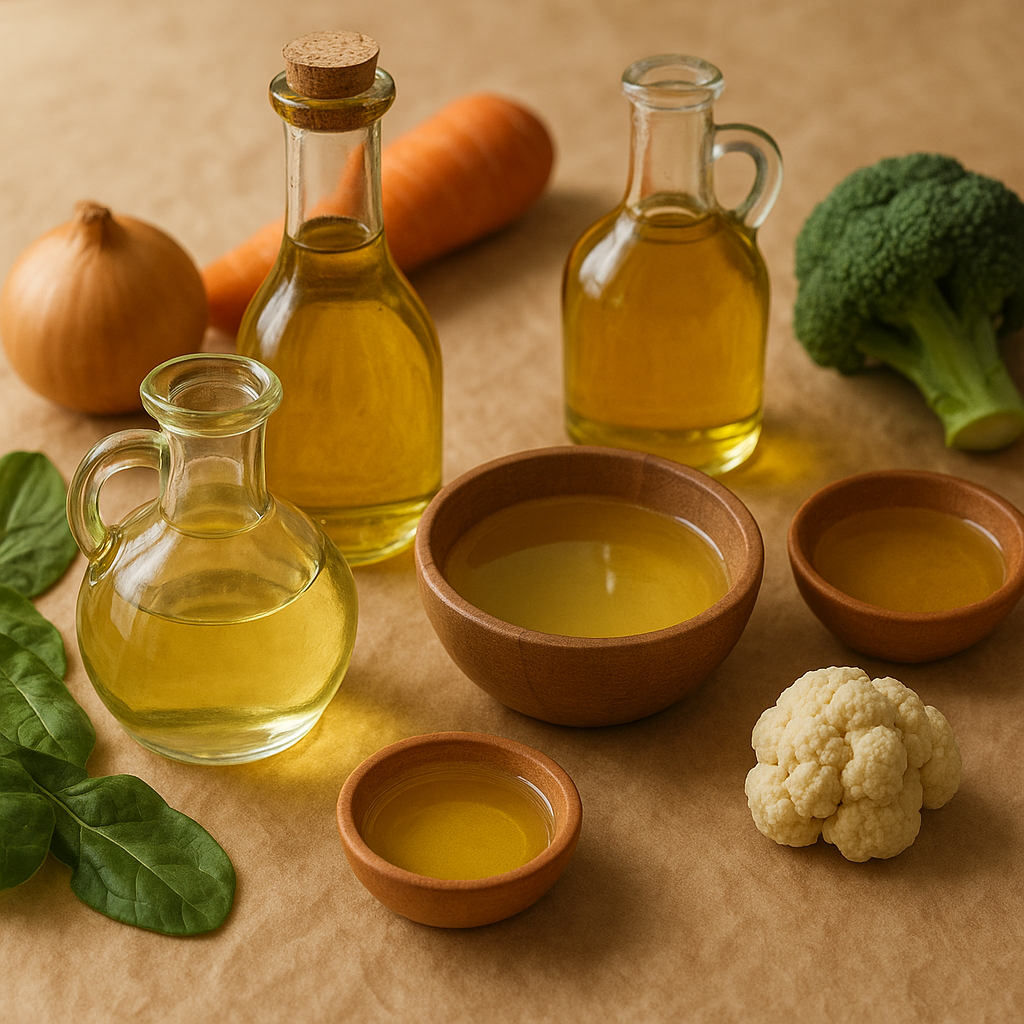
What it is
This is a common cooking oil derived from various plant sources. It is processed to create a neutral-tasting and versatile fat suitable for a wide range of culinary applications. The oil is typically clear and liquid at room temperature, making it easy to measure and incorporate into recipes. Its primary function is to facilitate cooking and enhance the texture and flavor of food.
How people cook with it
Vegetable oil is a staple in many kitchens, used for everything from everyday cooking to baking.
- Frying and sautéing
- Baking cakes and pastries
- Making salad dressings
- Roasting vegetables
When cooking, vegetable oil can be heated in a pan to prevent food from sticking and to achieve a desirable crispness. It is also a key component in many baked goods, where it contributes to moisture and tenderness. For dressings, it emulsifies with other ingredients to create a smooth consistency. Its neutral flavor profile means it complements a variety of ingredients without overpowering them. It can be used for shallow frying, deep frying, or simply as a base for sauces and marinades.
How it differs from similar foods
Compared to oils like olive oil, vegetable oil generally has a higher smoke point, making it more suitable for high-heat cooking. Its neutral flavor is also a key difference, as it doesn't impart the distinct taste that some other oils do, allowing the flavors of the food to come through more prominently.
Who it is for
Home cooks and professional chefs rely on vegetable oil for its reliability and versatility in the kitchen.
How to keep the rest
To keep the rest of the vegetable oil fresh, store it in a cool, dark place, away from direct sunlight and heat. Ensure the cap is tightly sealed after each use to prevent oxidation and maintain its quality. Proper storage will help preserve its flavor and usability for future cooking needs.