
Grocery
Pure Raw Honey
What it is
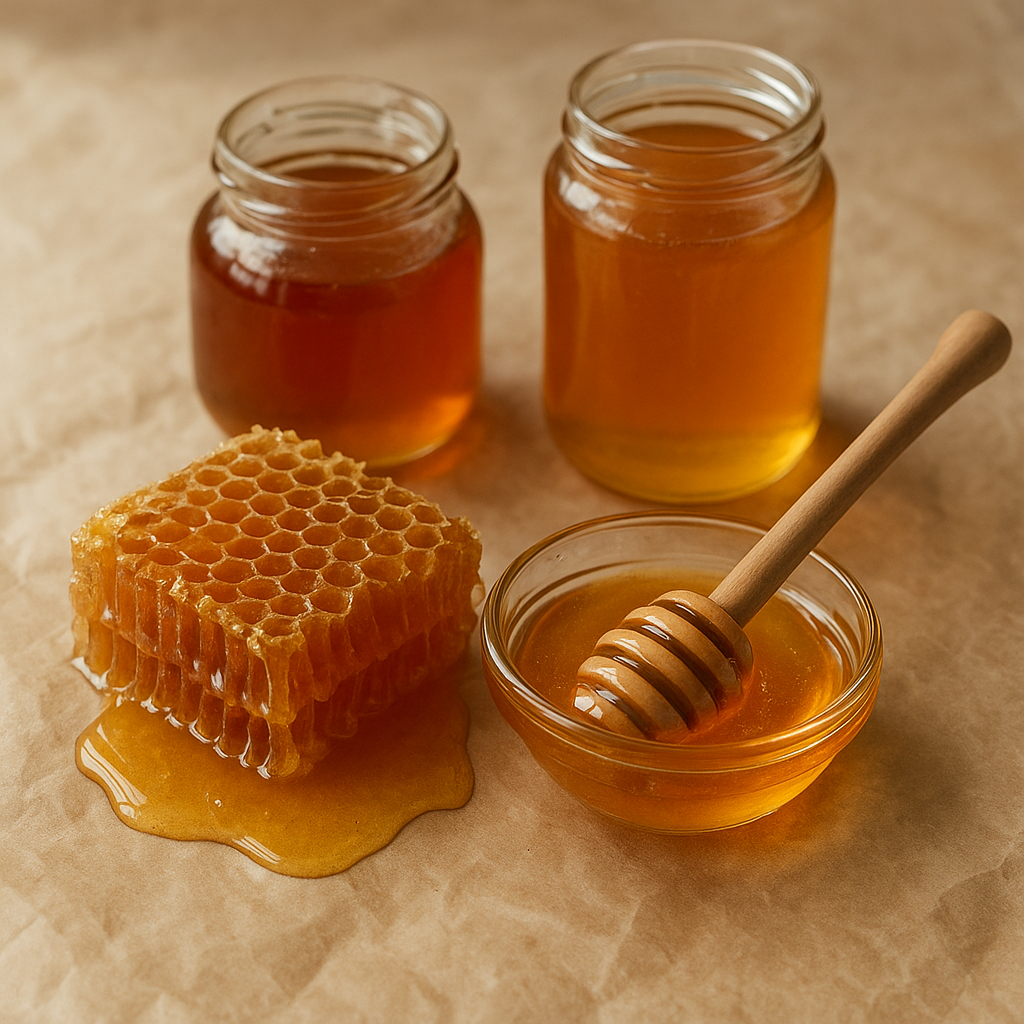
This is pure, raw honey, meaning it has not been heated or filtered beyond what is necessary to remove large debris. It retains natural enzymes and pollen, contributing to its unique flavor and texture. Raw honey crystallizes over time, a natural process that does not affect its quality. Its color and taste can vary depending on the floral sources from which the bees gathered nectar.
How people cook with it
Honey is a versatile ingredient used to sweeten a variety of foods and beverages. Its natural sweetness and distinct flavor profile make it a popular choice in many kitchens.
- Sweetening tea and coffee
- Drizzling over yogurt
- Spreading on toast
- Adding to baked goods
You can use this honey in many ways. Stir it into your morning tea or coffee for a natural sweetener. It is delicious drizzled over plain yogurt, oatmeal, or pancakes. For a simple snack, spread it on toast or biscuits. It can also be incorporated into marinades for meats or used as a glaze. When baking, it can replace other sweeteners, though its moisture content might require slight adjustments to recipes. Its natural state means it can be enjoyed directly from the jar.
How it differs from similar foods
Unlike processed honey, raw honey is not subjected to high heat, which can degrade its natural enzymes and pollen content. This processing also removes most of the pollen. Raw honey often crystallizes more readily than processed honey, appearing cloudy or solid, while processed honey typically remains liquid.
Who it is for
Home cooks and bakers who appreciate natural sweeteners often choose raw honey.
How to keep the rest
Store this honey in a cool, dry place away from direct sunlight. If it crystallizes, you can gently warm the jar in a bowl of warm water to return it to a liquid state. Ensure the lid is tightly sealed to maintain its freshness and prevent moisture absorption.