
Grocery
Pure Granulated Sugar
What it is
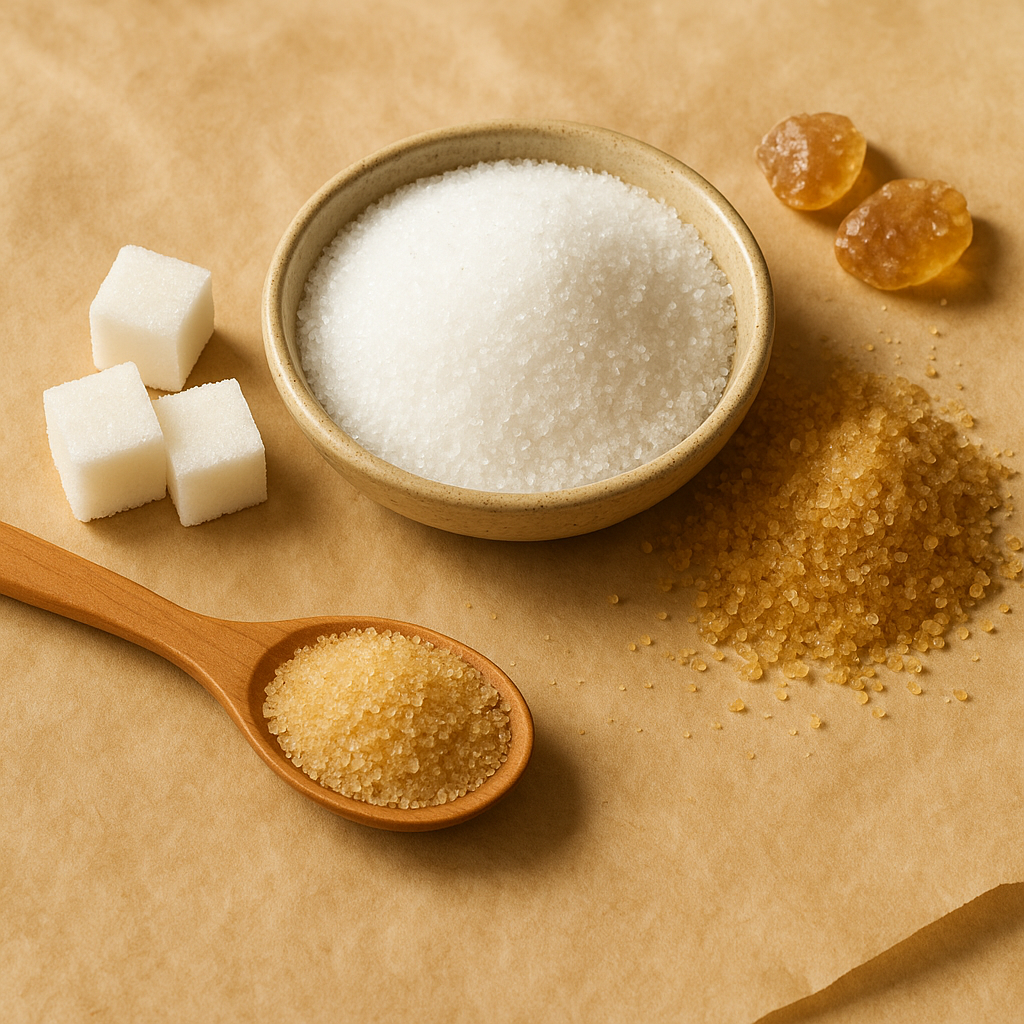
This is a common pantry staple made from refined sugarcane or sugar beets. It consists of small, uniform crystals that dissolve easily in liquids. Its pure form means it has been processed to remove molasses and other impurities, resulting in a clean, sweet taste and bright white color. This makes it versatile for a wide range of culinary applications where a consistent sweetness and texture are desired.
How people cook with it
Granulated sugar is a fundamental ingredient in baking and cooking, providing sweetness and influencing texture.
- Sweetening beverages
- Baking cakes and cookies
- Making sauces and glazes
- Caramelizing for desserts
Granulated sugar is frequently used to add sweetness to a multitude of dishes. In baking, it helps create tender textures, aids in browning, and can contribute to the leavening process when creamed with butter. It dissolves readily in hot and cold liquids, making it ideal for sweetening coffee, tea, and other drinks. It's also a key component in creating syrups, jams, and preserves, where its preservative qualities are as important as its flavor. When heated, it can caramelize, developing complex, rich flavors and a deep amber color for toppings and desserts.
How it differs from similar foods
Compared to brown sugar, granulated sugar lacks molasses, making it less moist and without the characteristic caramel notes. It also differs from powdered sugar, which has been finely ground and often contains cornstarch to prevent clumping, making it unsuitable for applications requiring larger crystals.
Who it is for
Home cooks and professional bakers rely on this ingredient for its predictable sweetness and texture.
How to keep the rest
To maintain its quality, store granulated sugar in an airtight container in a cool, dry place. This prevents it from absorbing moisture and becoming clumpy, ensuring it remains free-flowing and ready for use in your recipes.