
Grocery
Pure Granulated Sugar
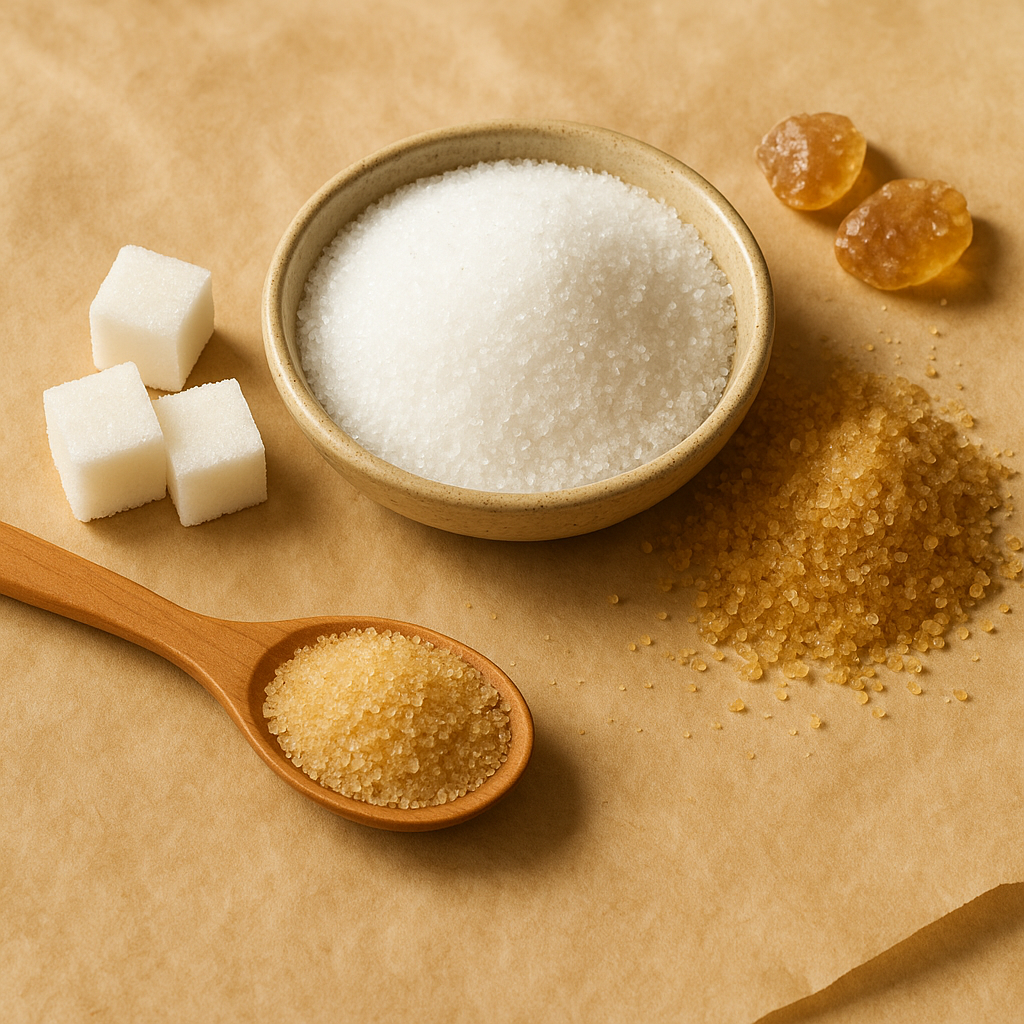
What it is
This is a common household sweetener made from refined sugarcane or sugar beets. It consists of fine, white crystals that dissolve easily. It is a staple ingredient used in a wide variety of culinary applications, from baking to beverages. Its purity means it offers a consistent level of sweetness without added flavors or colors.
How people cook with it
Granulated sugar is a fundamental ingredient in sweet and savory dishes alike. It is essential for achieving the desired texture and flavor in many recipes.
- Sweetening baked goods
- Adding sweetness to drinks
- Caramelizing for sauces
- Balancing flavors in marinades
Granulated sugar is incredibly versatile. In baking, it contributes to tenderness, browning, and structure. It is creamed with butter to create air pockets, essential for light cakes and cookies. It can be dissolved in liquids to create simple syrups for cocktails or to moisten cakes. It also plays a role in preserving jams and jellies. When heated, it caramelizes, developing complex flavors and rich colors, which is useful for glazes and sauces. It can also be used to balance the acidity in tomato-based dishes or to tenderize meats in marinades.
How it differs from similar foods
Compared to brown sugar, granulated sugar lacks molasses, making it purely sweet without any caramel notes. Its fine crystal size allows for quick dissolution, which is beneficial in many applications where a smooth texture is desired. It is less likely to clump than some other sugar types.
Who it is for
Home cooks and professional chefs rely on granulated sugar for its predictable sweetness and functional properties in the kitchen.
How to keep the rest
To keep granulated sugar fresh and free-flowing, store it in an airtight container at room temperature. Avoid exposure to moisture, as this can cause it to clump. A cool, dry pantry is the ideal location for long-term storage.