
Grocery
Pure Granulated Sugar
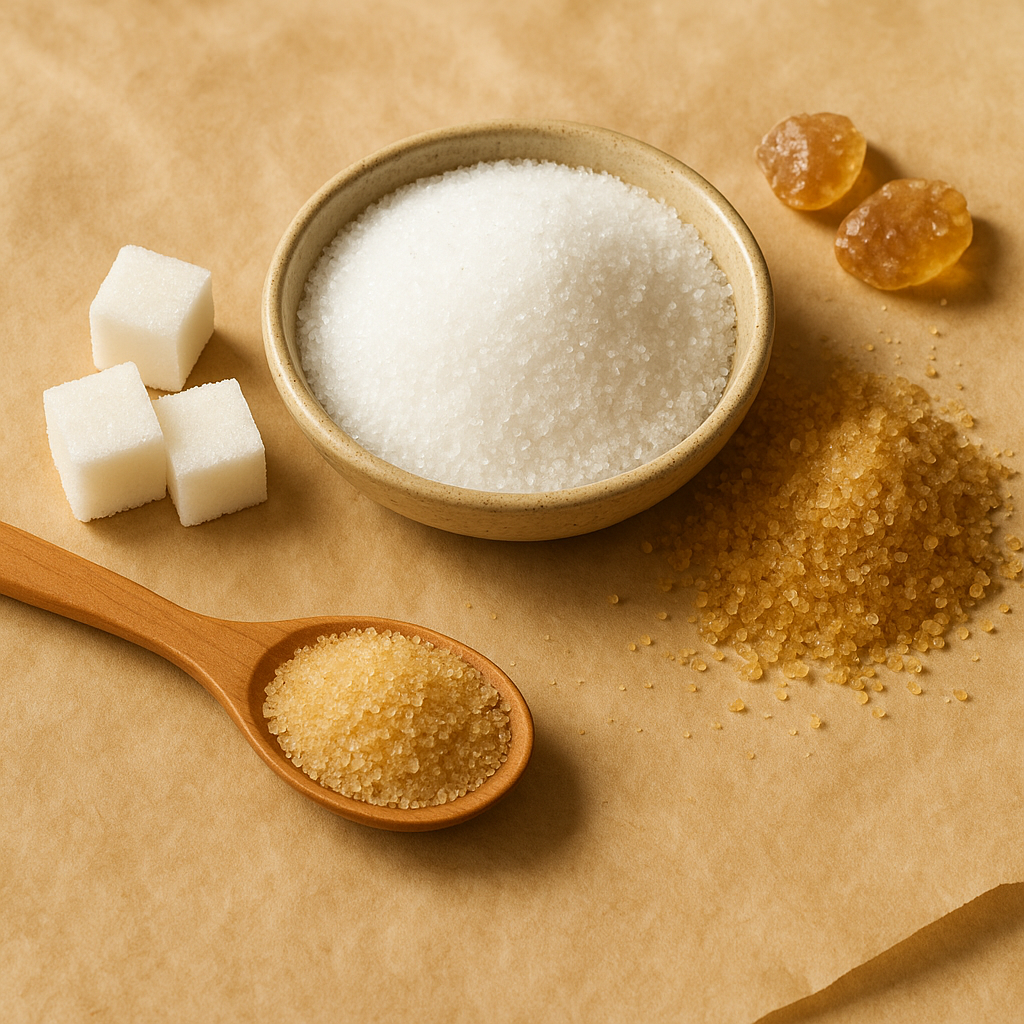
What it is
This is a common type of sugar made from sugarcane or sugar beets. It is processed to remove molasses, resulting in fine, white crystals. Granulated sugar is a staple in most kitchens, valued for its versatility and sweetness. Its uniform crystal size makes it easy to measure and incorporate into various recipes. It dissolves readily in liquids, contributing to smooth textures in baked goods and beverages.
How people cook with it
Granulated sugar is a fundamental ingredient for sweetening and adding structure to many dishes. It plays a crucial role in both baking and everyday cooking.
- Sweetening beverages
- Baking cakes and cookies
- Making sauces and glazes
- Caramelizing for desserts
Granulated sugar is used to add sweetness to a wide range of foods and drinks. In baking, it contributes to the browning of crusts, the tenderness of cakes, and the crispness of cookies. It can be creamed with butter to create air pockets, which helps baked goods rise. It is also essential for making syrups, jams, and preserves. When heated, it caramelizes, developing rich, complex flavors and a deep brown color, perfect for toppings or sauces. It dissolves easily in hot and cold liquids.
How it differs from similar foods
Compared to brown sugar, granulated sugar lacks molasses, making it less moist and without the characteristic caramel flavor. Powdered sugar, also known as confectioners' sugar, is finely ground granulated sugar with a small amount of cornstarch, resulting in a powdery texture ideal for frostings and dusting.
Who it is for
Home cooks and professional bakers rely on granulated sugar for its consistent performance and sweetness.
How to keep the rest
To maintain its quality, store granulated sugar in a cool, dry place in an airtight container. This prevents it from absorbing moisture, which can cause clumping, and also keeps out odors from other pantry items. Properly stored, it can last for a very long time.