
Grocery
Pure Cane Granulated Sugar
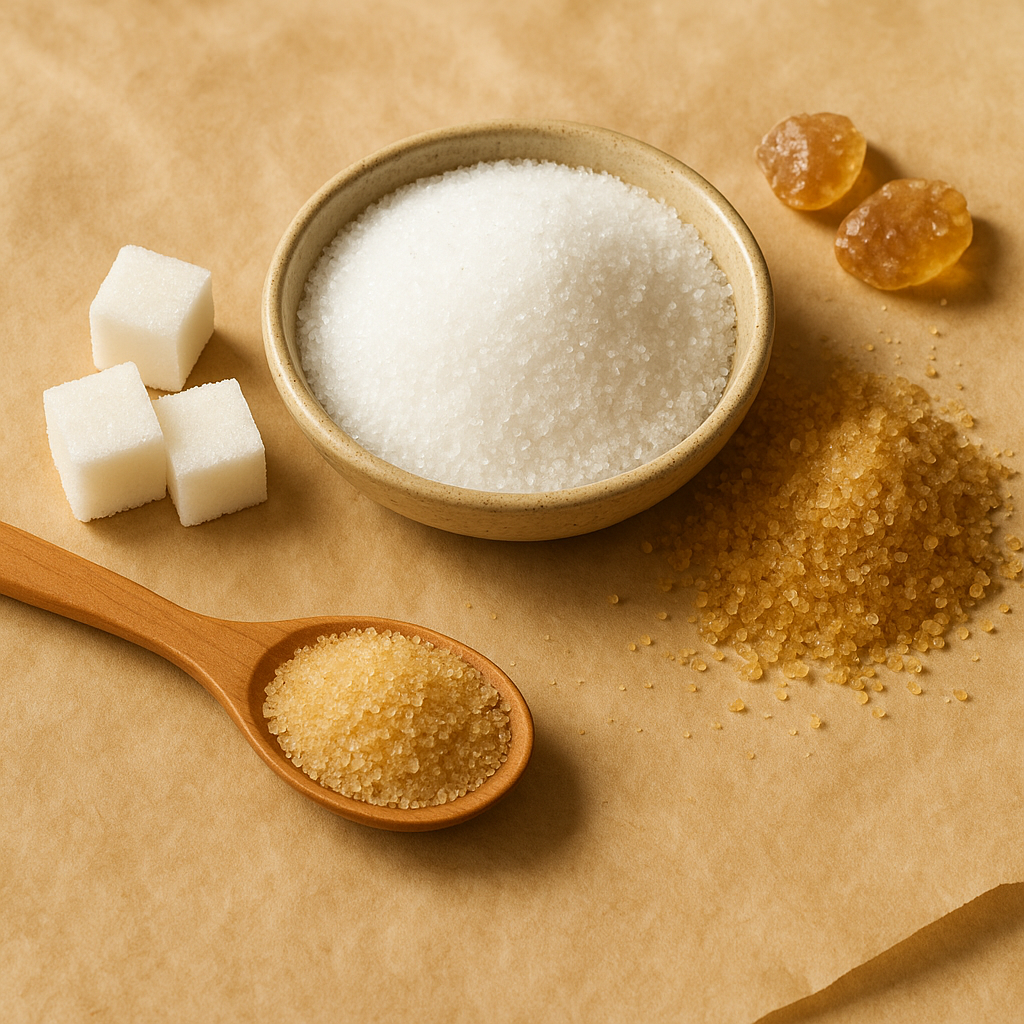
What it is
This is a common sweetener made from the juice of sugarcane. It is processed to remove molasses, resulting in fine, white crystals. Granulated sugar is a staple in kitchens worldwide, valued for its versatility and consistent sweetness. It dissolves easily in liquids and bakes well, making it suitable for a wide range of culinary applications. Its pure cane origin signifies a specific source of the sugar, often preferred for its clean flavor profile.
How people cook with it
Granulated sugar is fundamental in both sweet and savory cooking. It adds sweetness and contributes to texture and browning in baked goods.
- Sweetening beverages
- Baking cakes and cookies
- Caramelizing sauces
- Balancing flavors
When baking, granulated sugar is often creamed with butter to incorporate air, which helps create a lighter texture in cakes and cookies. It can be dissolved in hot liquids to make simple syrups for cocktails or desserts. In savory dishes, a small amount can balance acidity in tomato sauces or add a subtle depth to marinades. It is also used to create glazes and frostings, providing sweetness and structure. Its fine crystals ensure even distribution and quick dissolution.
How it differs from similar foods
Compared to brown sugar, granulated sugar contains no molasses, making it less moist and without the distinct caramel flavor. It is also finer than coarse sugars, which can affect texture and dissolution rates in recipes.
Who it is for
Home cooks and professional chefs use this sugar for everyday cooking and baking.
How to keep the rest
Store in a cool, dry place in an airtight container to prevent clumping. Moisture can cause the sugar crystals to stick together, making it difficult to measure and use. Keeping it sealed also protects it from absorbing odors from other pantry items.