
Grocery
Pure Cane Granulated Sugar
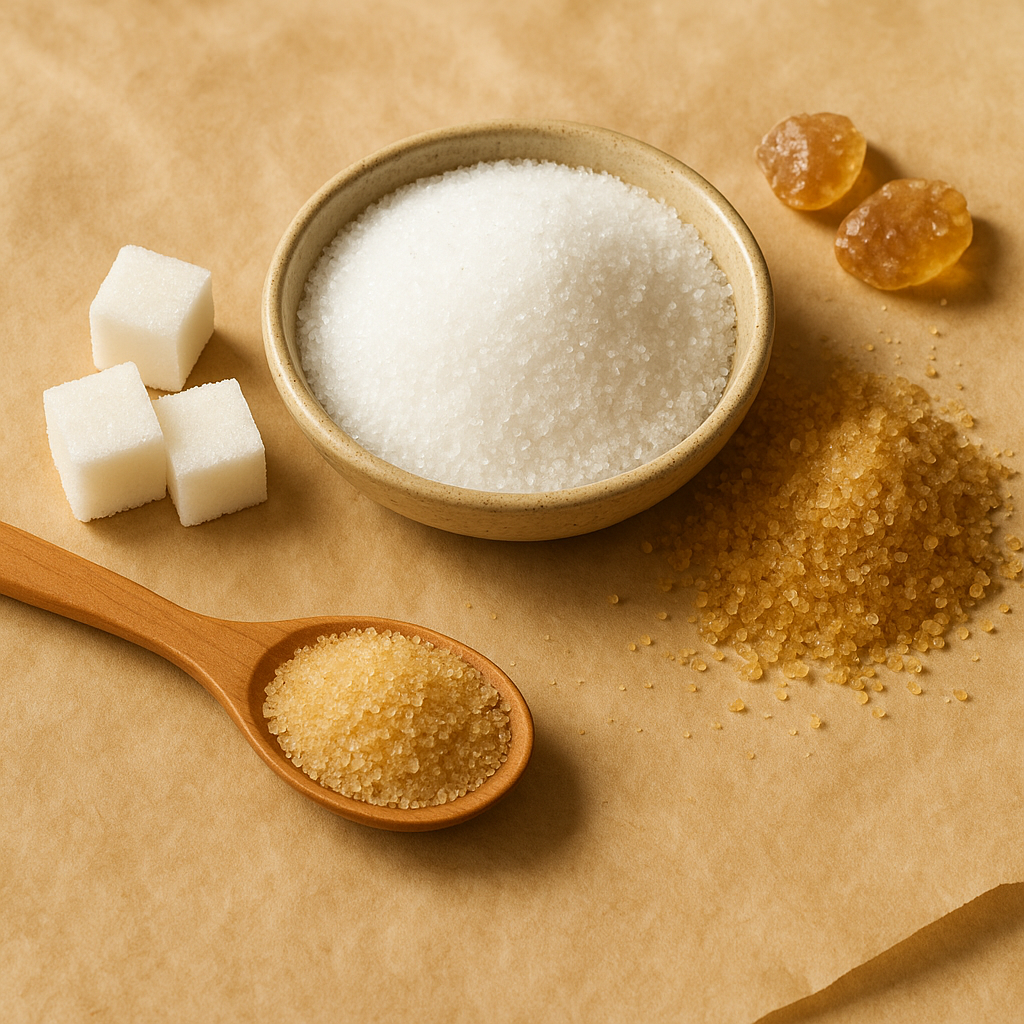
What it is
This is a common pantry staple made from the juice of sugarcane. It is processed to create fine, white crystals that dissolve easily. The crystals are uniform in size, which is important for consistent results in cooking and baking. It is a pure form of sucrose, providing sweetness to a wide variety of dishes. Its clean flavor profile makes it versatile for both sweet and savory applications. This sugar is a fundamental ingredient for many home cooks and professional chefs alike.
How people cook with it
Granulated sugar is a foundational ingredient in kitchens everywhere. It is used to add sweetness and texture to countless recipes.
- Sweetening baked goods
- Dissolving in beverages
- Balancing savory flavors
- Creating caramel
In baking, granulated sugar is often creamed with butter to create air pockets, leading to lighter cakes and cookies. When making cookies, the amount of sugar can affect spread and chewiness. In beverages, it dissolves readily to sweeten coffee, tea, and lemonade. It can also be used in marinades and sauces to add a touch of sweetness and help with browning. For caramel, it is heated until melted and caramelized, creating a rich, complex flavor.
How it differs from similar foods
Compared to brown sugar, granulated sugar lacks molasses, resulting in a cleaner, less complex sweetness and no added moisture. It is also finer than coarse sugars, which affects how it interacts with other ingredients, particularly in baking where precise measurements are key for texture. Its purity means it doesn't impart color or distinct flavor notes beyond sweetness.
Who it is for
Home bakers and cooks use this sugar for everyday sweetness and recipe development.
How to keep the rest
Store in a cool, dry place in an airtight container to prevent clumping. Exposure to moisture can cause the sugar crystals to stick together, making it difficult to measure and use. Keeping it sealed also protects it from absorbing odors from other pantry items.