
Grocery
Pure Cane Granulated Sugar
What it is
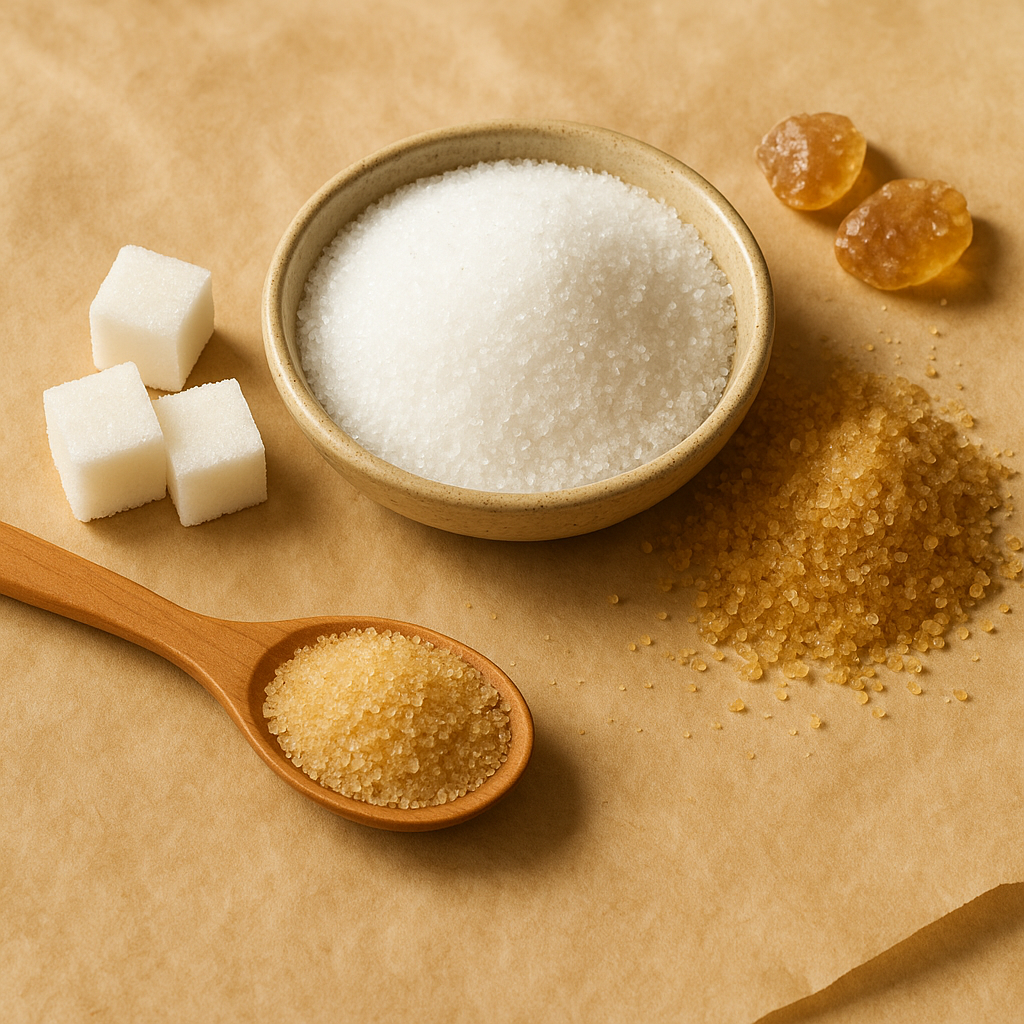
This is a common pantry staple made from the juice of sugarcane. It is processed to remove molasses, resulting in fine, white crystals. The crystals are uniform in size, which contributes to its consistent performance in baking and cooking. It dissolves easily in liquids and is a fundamental ingredient for adding sweetness to a wide variety of dishes and beverages.
How people cook with it
Granulated sugar is a versatile ingredient used in both sweet and savory applications. It is essential for achieving desired textures and flavors in many recipes.
- Sweetening baked goods
- Caramelizing sauces
- Balancing acidity
- Making simple syrups
Granulated sugar is typically measured by volume for recipes. It can be creamed with butter to create a light and airy base for cakes and cookies, or dissolved in liquids to form syrups for drinks and desserts. It also plays a role in browning through caramelization when heated, adding depth of flavor to glazes and cooked fruits. Its fine texture makes it suitable for dusting and as a component in rubs for meats.
How it differs from similar foods
Compared to brown sugar, granulated sugar lacks molasses, making it purely sweet without any caramel notes or moisture. It also differs from powdered sugar, which is finely ground and contains cornstarch to prevent clumping. Its crystal size is larger than powdered sugar but smaller than coarse sugars.
Who it is for
Home cooks and professional chefs alike rely on granulated sugar for its predictable sweetness and functional properties.
How to keep the rest
To maintain its quality, store granulated sugar in an airtight container at room temperature, away from moisture and strong odors. This prevents it from clumping and absorbing unwanted flavors. Ensure the container is sealed tightly after each use.