
Food Club · 0.6 g
Food Club Baking Soda
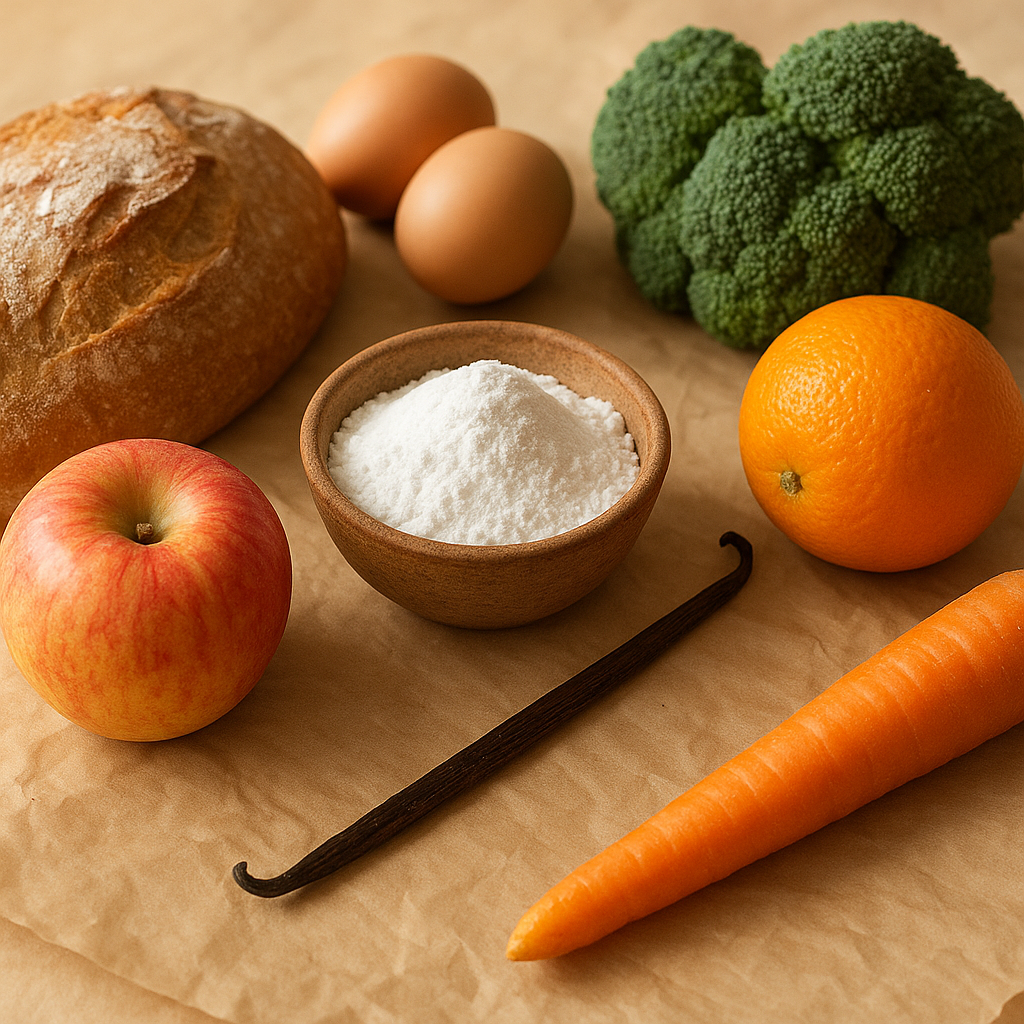
What it is
This is a common leavening agent used in baking. It is a white, crystalline powder that is odorless and has a slightly alkaline taste. When combined with an acid and moisture, it produces carbon dioxide gas, which causes doughs and batters to rise. It is also used for cleaning and deodorizing purposes around the house. Its fine texture makes it suitable for various household tasks.
How people cook with it
Baking soda is a versatile ingredient found in many kitchens. It plays a crucial role in achieving the desired texture and rise in baked goods.
- Leavening baked goods
- Neutralizing odors
- Scrubbing surfaces
- Soaking vegetables
In baking, baking soda is typically mixed with dry ingredients and then activated by a wet, acidic ingredient like buttermilk, yogurt, or vinegar. This reaction creates bubbles that expand when heated, making cakes, cookies, and breads light and fluffy. Beyond baking, it can be dissolved in water to create a cleaning solution for countertops or sinks. A paste made with water can be used to gently scrub away grime. It's also effective when left in an open box to absorb refrigerator odors.
How it differs from similar foods
Unlike baking powder, which contains both an acid and a base, baking soda is purely a base. It requires an additional acidic ingredient in the recipe to create the leavening reaction. Baking powder provides a more controlled and consistent rise on its own.
Who it is for
Home bakers and cooks often keep baking soda on hand for both sweet and savory recipes.
How to keep the rest
To maintain its effectiveness, store baking soda in a cool, dry place away from heat and moisture. Keep the container tightly sealed to prevent it from absorbing odors from the surrounding environment. This ensures it remains ready for use in baking and cleaning.